In this week’s New Yorker

October 23, 2011

The central feature is a long, absorbing profile by Ken Auletta of Jill Abramson (above, photographed by Mary Ellen Mark), the first female executive editor of the New York Times. I admire her and wish her well, and the article told me lots of things I didn’t know. (Among other things, she’s exactly my age and was at Harvard while I was at Boston University.)

David Sedaris’s “Personal History” piece about his travails as a boyhood swimmer and his unsuccessful attempts to ever get his father’s approving attention is funny and stinging, typical for Sedaris. (And if you’re a subscriber, you can hear him read the piece aloud on your app.) And John Lahr’s review of The Mountaintop and We Live Here  served the purpose of confirming my suspicions and convincing me that I don’t need to see those plays.


I also appreciated this “Critic’s Notebook” by Joan Acocella, brief enough to quote in full:

“Press releases and reviews are always telling us how our savviest artists ‘deconstruct’ the things of the past: take them apart and reveal their wrong, wrong assumptions. In fact, when today’s artists do adaptations of ‘Romeo and Juliet’ or Martha Graham, it’s usually not because they scorn those old favorites but because they cherish them. Modernism was a harsh, puritanical movement. Times have changed, under postmodernism. Actually,w e should probably thank something more specific, the gay art movement of the nineteen-sixties forward. In a world blasted beige by modernism, Charles Ludlam, John Waters, and Jack Smith gave magenta back to us. But all reforms get absorbed, and John Kelly is a product of such synthesis. His 1988 dance-theatre work ‘Find My Way Home,’ which will be revived at New York Live Arts Oct. 21-29, is a modern take on Gluck’s ‘Orfeo ed Euridice.’ There is no ‘deconstruction’ here: no knowing-better. The piece is a tribute to Gluck, and a serious essay on how it is to lose the thing you loved.”



Quote of the day: AGING

October 23, 2011

AGING

Among the San Bushmen of southern Africa…the hunt for game with poison-tipped arrows depends on moving rapidly across the veld…. When men become too old to participate in the hunt, they become the makers of the arrows – and tradition ascribes to the arrow maker the primary credit for the kill…. Similarly, only when women are too old for childbearing are they permitted to become shamanic healers, a translation of the love and care they have given their children to the health of the wider community. In both cases, an appropriately limited effort is recognized as having a profound value.

— Mary Catherine Bateson


Occupy: on Rolling Stone’s Matt Taibi and the wisdom of no set agenda

October 19, 2011

My oldest friend in the world, Roxanne Reynolds (nee Green), who lives in Houston, turned me on to Matt Taibbi’s commentary on Rolling Stone‘s website about Occupy Wall Street. It’s worth reading — you can check it out here.

He notes that the images that have emerged so far of OWS have been misleading stand-offs with the police and nothing truly iconic. “That, to me, speaks volumes about the primary challenge of opposing the 50-headed hydra of Wall Street corruption, which is that it’s extremely difficult to explain the crimes of the modern financial elite in a simple visual,” Taibbi writes. “The essence of this particular sort of oligarchic power is its complexity and day-to-day invisibility: Its worst crimes, from bribery and insider trading and market manipulation, to backroom dominance of government and the usurping of the regulatory structure from within, simply can’t be seen by the public or put on TV. There just isn’t going to be an iconic “Running Girl” photo with Goldman Sachs, Citigroup or Bank of America – just 62 million Americans with zero or negative net worth, scratching their heads and wondering where the hell all their money went and why their votes seem to count less and less each and every year.”

He goes on to offer some thoughtful suggestions about demands that might be made to address out-of-control corporate dominance and economic injustice. But to me, the most ingenious thing about a constitutionally leaderless movement with no stated list of demands is that it puts the responsibility on all of us to transform ourselves from passive observers (O Leader, here’s what you need to do!) to active participants in citizen democracy. If you think something needs to be done, well, what’s stopping you from doing something about it? Did you have a response when you heard that Bank of America’s revenues took a big leap last quarter? Did your income take a big leap last quarter? If you have something to say about that, don’t wait for somebody else to say it for you. Occupy Wall Street is giving us all notice that it’s possible to have these conversations and ask these questions aloud.

It’s as much about cultivating a world-view as ticking items off a list, and the model that is emerging is person-to-person, which is really how consciousness gets raised.


It’s also fascinating to watch how apologists for corporate culture (not to mention any names…David Brooks) are reacting to the emergence of Occupy Wall Street. Someone sent me a link to an article from Investor’s Business Daily titled “Tax the Rich? Good Luck with That” whose basic point makes sense to me — that when you shift the tax rates, people with higher incomes simply report less (and nobody complains). But the language of the piece, which liberally refers to “leftists in general,” reflects the kind of paranoid thinking that sees correcting economic injustice in terms of rounding up the country’s 400 billionaires and confiscating their possessions (a short step to, you know, shooting them in the street). We’re going to see a lot more of this.


Quote of the day: READING

October 19, 2011

READING

You should never just read for “enjoyment.” Read to make yourself smarter! Less judgmental. More apt to understand your friends’ insane behavior, or better yet, your own. Pick “hard books.” Ones you have to concentrate on while reading. And for God’s sake, don’t let me ever hear you say, “I can’t read fiction. I only have time for the truth.” Fiction is the truth, fool! Ever hear of “literature”? That means fiction, too, stupid.

— John Waters, Role Models

John Waters' Library


Photo diary: Exploring Sensual Bologna — the last supper

October 18, 2011

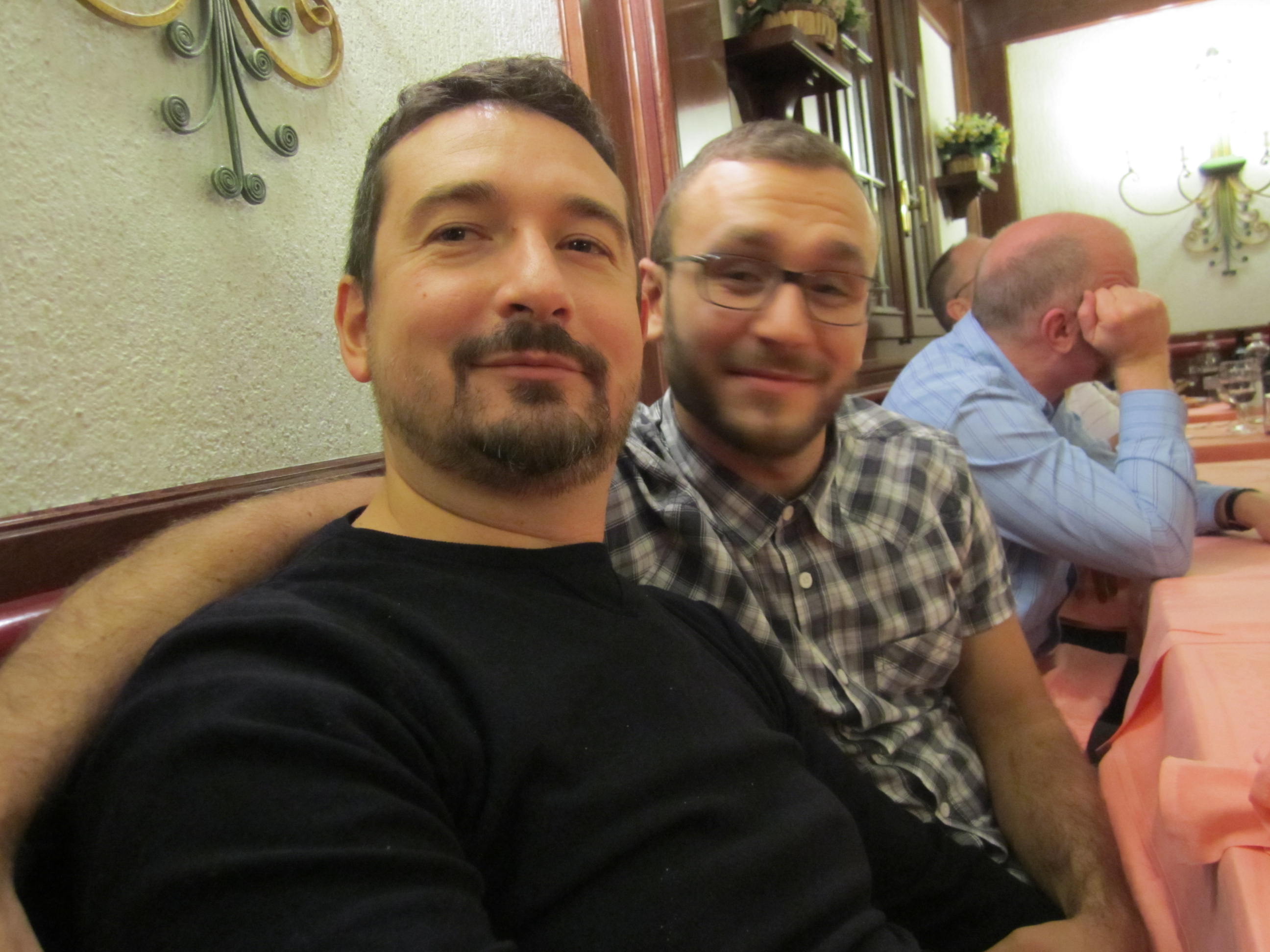
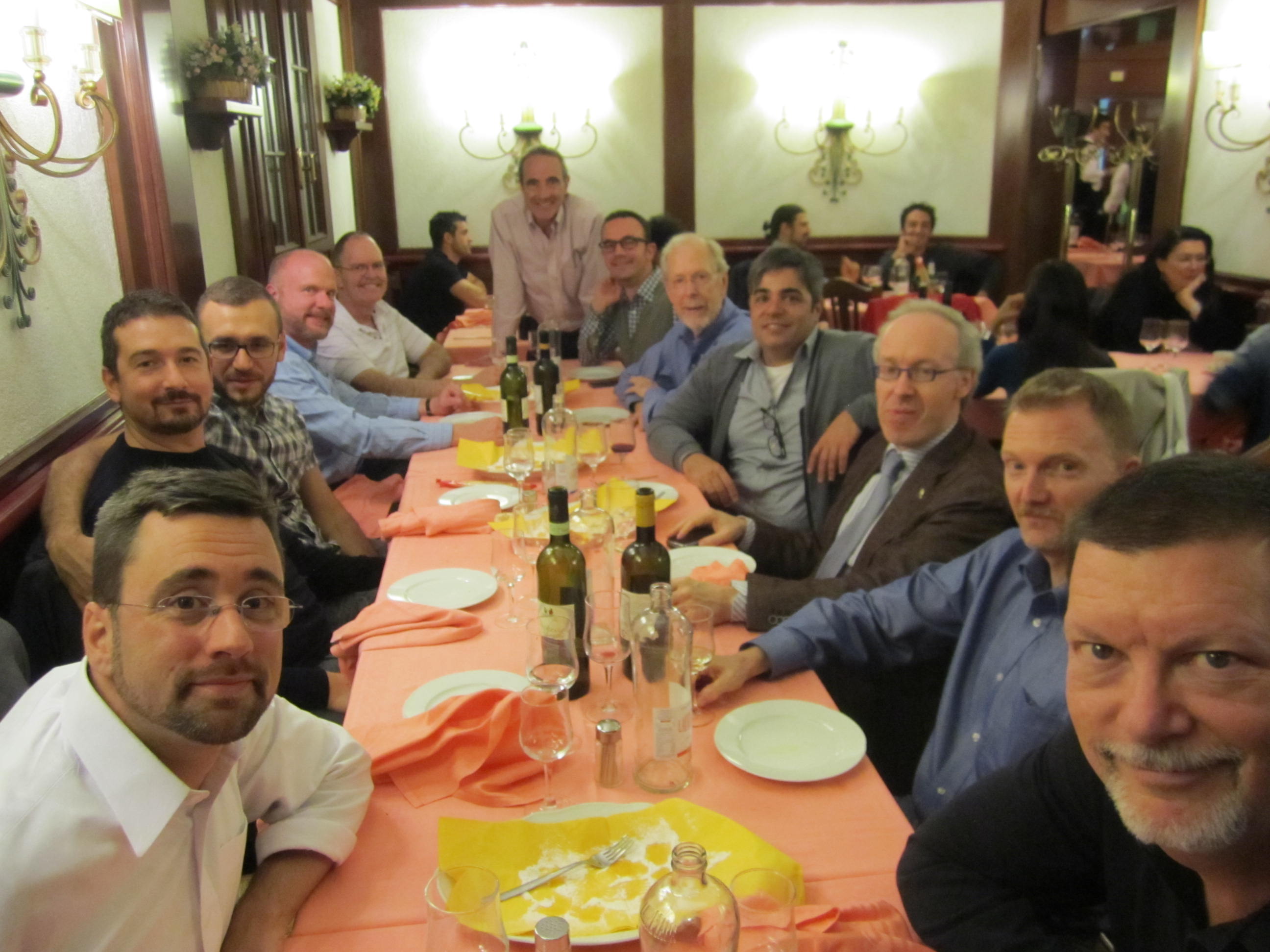
We spent our last evening in Bologna dining at Trattoria Leonida, where the dessert was a concoction called "fried cream" -- Giovanni pronounced it the best he'd ever had (and he's an extremely discerning customer, that Giovanni)

my friend Pietro and his boyfriend Federico drove down from Venice just to spend the evening with us

I got all John Cassevetes with close-up shots around the table….

the whole gang

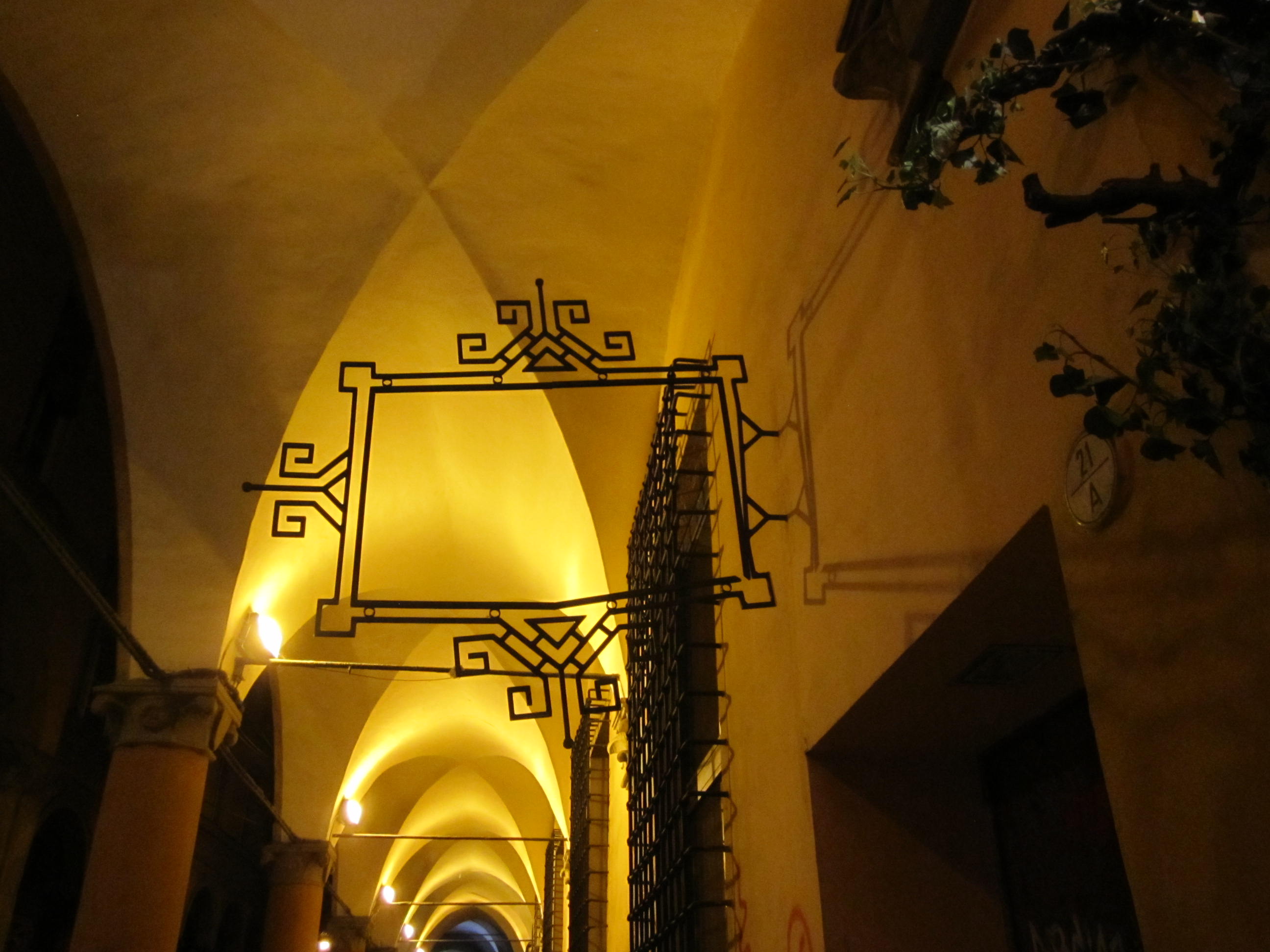
a last walk through the porticos