Photo diary: the week ending Friday the 13th

July 13, 2012

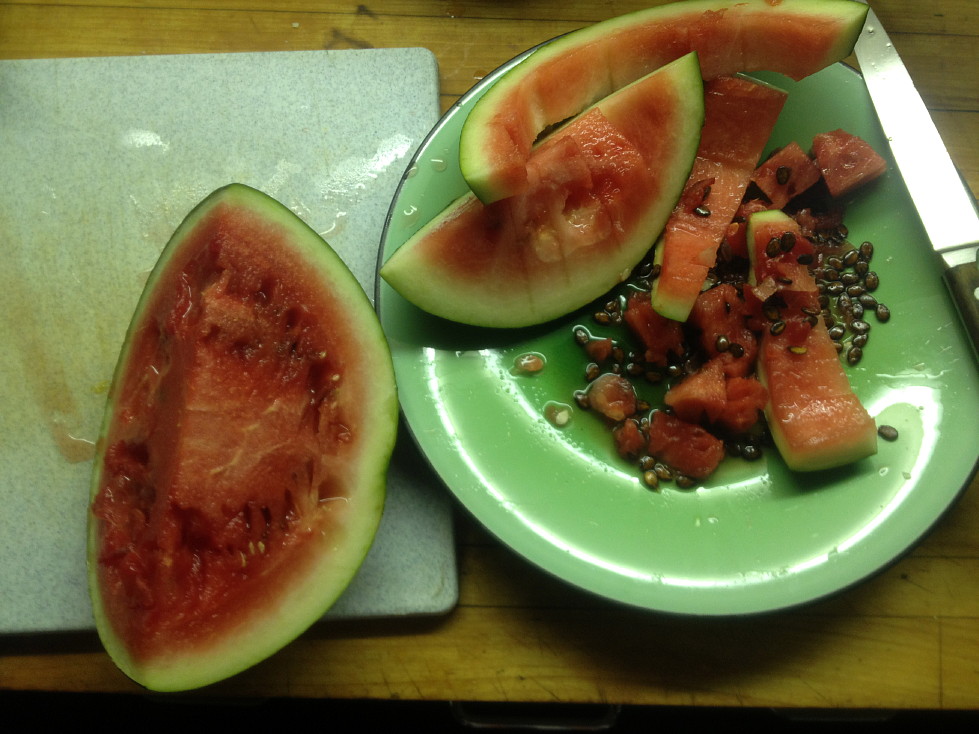
I think I can definitively say this is the seediest fucking watermelon I’ve seen in my life. It’s like the karmic watermelon, containing all the seeds that were genetically removed from other melons I’ve eaten in recent years. I undertook the task of painstakingly de-seeding half of a small spherical melon as a meditative task. I can report that it is an exceedingly tedious job I will never do again, and performing it ran the risk of turning me off from watermelon forever. Just saying.

It also made this the single most labor-intensive salad I’ve ever made (45 minutes). Luckily, I had the Dirty Projectors’ new CD, SWING LO MAGELLAN, to keep me company. Quite good company!

new glasses — bought them in Bologna last fall and just had lenses made

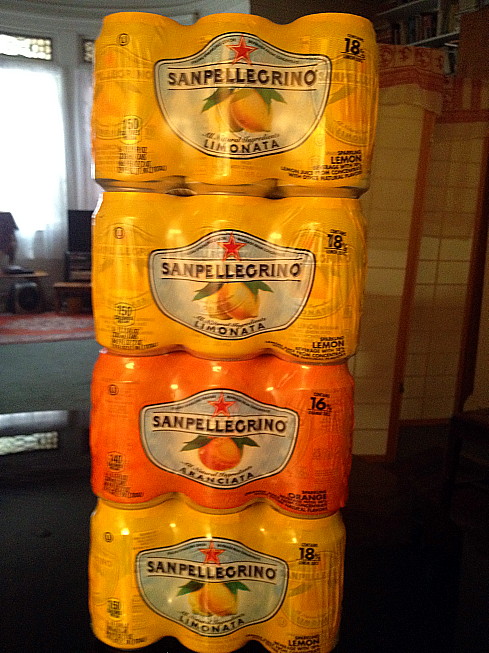
my new favorite non-alcoholic beverage, still on sale at Whole Foods through July 31 — two six-packs for $8!

Watching Lotte Lenya in Jose Quintero’s mediocre film of Tennessee Williams’ THE ROMAN SPRING OF MRS. STONE, I couldn’t help seeing Everett Quinton playing her in a remake/parody/hommage.

The DVD extras go to some length to talk about how sad Vivien Leigh was during the shooting, having just been dumped by Laurence Olivier. Her hairstyles are hideous up until Warren Beatty fucks her brains out, then suddenly she turns pretty. Sex can do that. Doesn’t she look a bit like Ann Magnuson here? Key line: “I won’t know you love me until you hurt me.”


Quote of the day: BEAUTY

July 11, 2012

BEAUTY

People who are very beautiful make their own laws.

— Tennessee Williams, The Roman Spring of Mrs. Stone


Photo diary: Rubin Museum

July 10, 2012


The Rubin Museum of Himalayan Art on West 17th Street in Chelsea is one of New York’s hidden treasures. Walking in there any day of the week (except for Tuesday, when it’s closed) guarantees a big dose of serenity mixed with aesthetic ecstasy. The shows are exquisitely mounted, lit, and notated. Currently on display is a fantastic show of modernist Indian painting. On the first floor, the show called “Gateway to Himalayan Art” includes an extraordinary Tibetan Shrine Room.


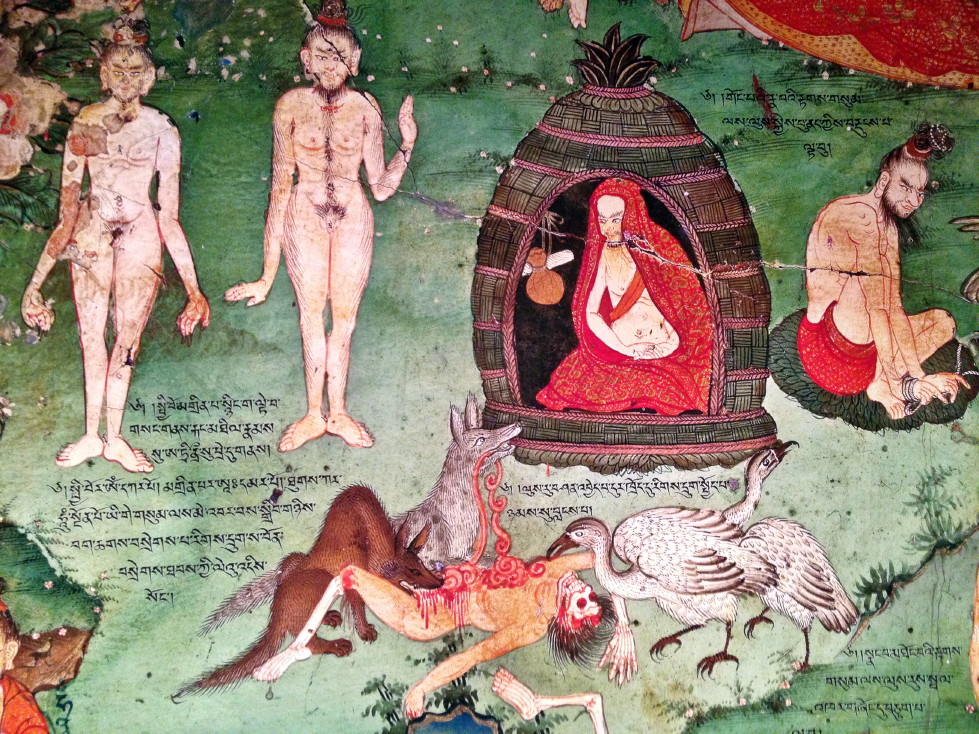
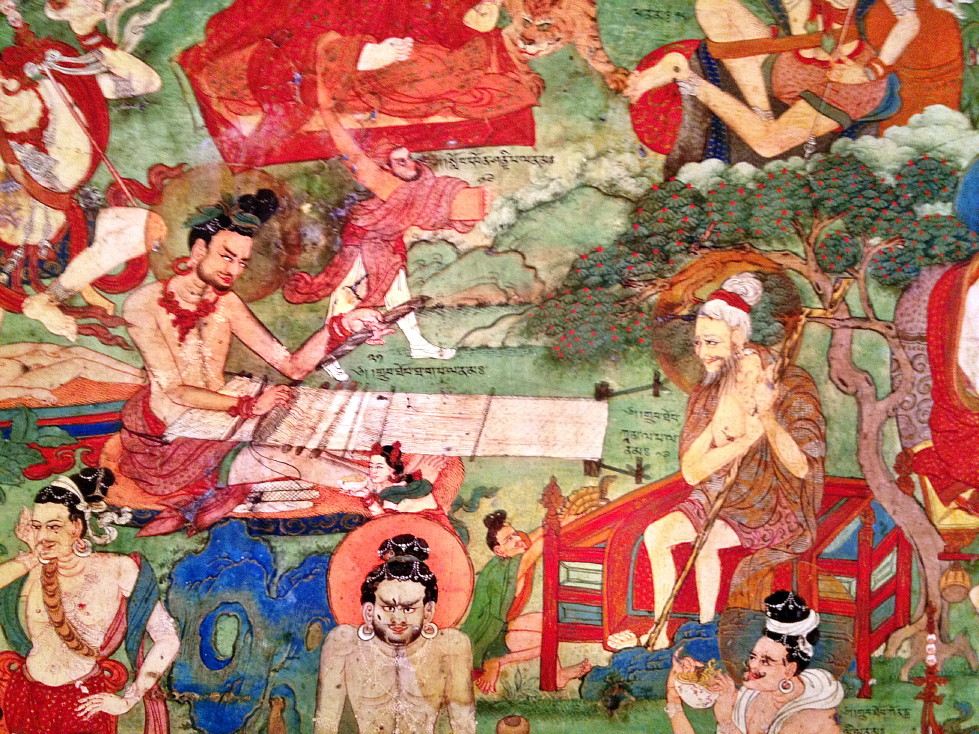
When I visited yesterday, I found myself most mesmerized by the “Masterworks” show, specifically a room of fantastic, intricate, Bosch-like murals, which the Rubin’s website describes thusly: “Life-size facsimiles of an entire sequence of murals from the Lukhang, the Dalai Lamas’ Secret Temple near the Potala Palace in Lhasa, Tibet, provide an exceptional opportunity for viewing Himalayan art at its most lavish. The original eighteenth-century wall paintings–inaccessible to the public until the late twentieth century–uniquely depict the most esoteric of meditation and yoga practices in vivid color and detail. Created with new photographic methods by Thomas Laird and Clint Clemens, this display of large-format, high resolution pigment prints allows for even better access to the paintings than is possible in the temple itself. Their presentation at the Rubin marks the first showing in the world of prints created using this technology and also provides the first-ever opportunity outside Tibet to view full-size Tibetan murals in their relationship to portable art from the region.” Typical for Tibetan art, they are full of strong images of death, skulls, and wrathful deities. You can study these panoramas for an hour at a time. I loved spying the nonchalant disembowelling of a human by animals (above) or the coquettish glance of love shared by a weaver and a shepherd (below).


Quote of the day: UNDERPARENTING

July 10, 2012

UNDERPARENTING

The helicopter parent is taking ever-heavier fire. American mothers and fathers, at once too involved in their children’s development and too lenient in dispensing discipline, stand ­accused of creating some of “the most indulged young people in the history of the world,” as Elizabeth Kolbert put it in The New Yorker earlier this month. Resources for Infant Educarers (RIE), a burgeoning hands-off parenting movement with California roots and classes at two Manhattan locations, offers a kind of corrective therapy. Here, five things I learned not to do in my underparenting course:

1. Underestimate my daughter’s ability to sit still when she’s got a ­banana in her sights. RIE classes consist largely of uninterrupted, self-directed play for the children and anxious onlooking by their parents. Instructors often conclude sessions by serving the children a snack of banana and water, requiring them to sit still on the floor (unrestrained!) before getting their share. As my daughter spends most of her meals climbing in and out of her high chair, smearing her chicken nuggets all over my clothing, I’m shocked to see her wait her turn while two other kids get their food ahead of her.

2. Tell my daughter to share the plastic hair curler that a little boy is trying to take from her and to which she is now clinging maniacally. RIE calls for letting kids resolve their own disputes (barring physical violence). “If every time adults jump in and bring in their version of what is right, the children learn either to depend on them or defy them,” writes RIE founder Magda Gerber. While I sometimes worry my daughter will grow to be a selfish, friendless 5-year-old, it’s a relief to skip explaining the concept of sharing to a baffled toddler. At least during the ­classes—out in the world, I get dirty looks from parents for ignoring such a widely held social norm.

3. Rush to comfort my daughter when an older child pushes a plastic milk crate into her face. RIE advises parents to give their kids a moment to recover on their own before swooping in with kisses and cuddles. It also discourages parents from saying “You’re okay” or distracting children from their pain—my preferred technique is to grab a shiny toy and jiggle it in front of her—lest they learn that experiencing emotions is a bad thing.

4. Let my daughter use me as a jungle gym, even though she really, ­really wants to. The RIE approach to discipline is simple: Set reasonable, consistent rules and stick to them even if they’re unpopular with those expected to abide by them. “It is not the best thing to try to keep your children happy all the time,” writes Gerber. “That is not the way life is.”

5. Rescue my daughter from a stair-climbing toy when she realizes that crawling down the stairs is harder than crawling up them. RIE teaches that giving children the chance to solve their own problems makes them feel confident and competent. (Gerber: “The more often we have mastered a minute difficulty, the more capable we feel the next time.”) It’s both tedious and scary to watch my daughter attempt fifteen different methods of descent from the contraption she is now sitting precariously atop, but an RIE associate cuts me off when I reflexively move to intervene. My daughter, for her part, looks awfully proud of herself when she finally finds her own way down.

— Dwyer Gunn, “Sit. Stay. Good Mom!” in New York magazine


Photo diary: weekend

July 8, 2012

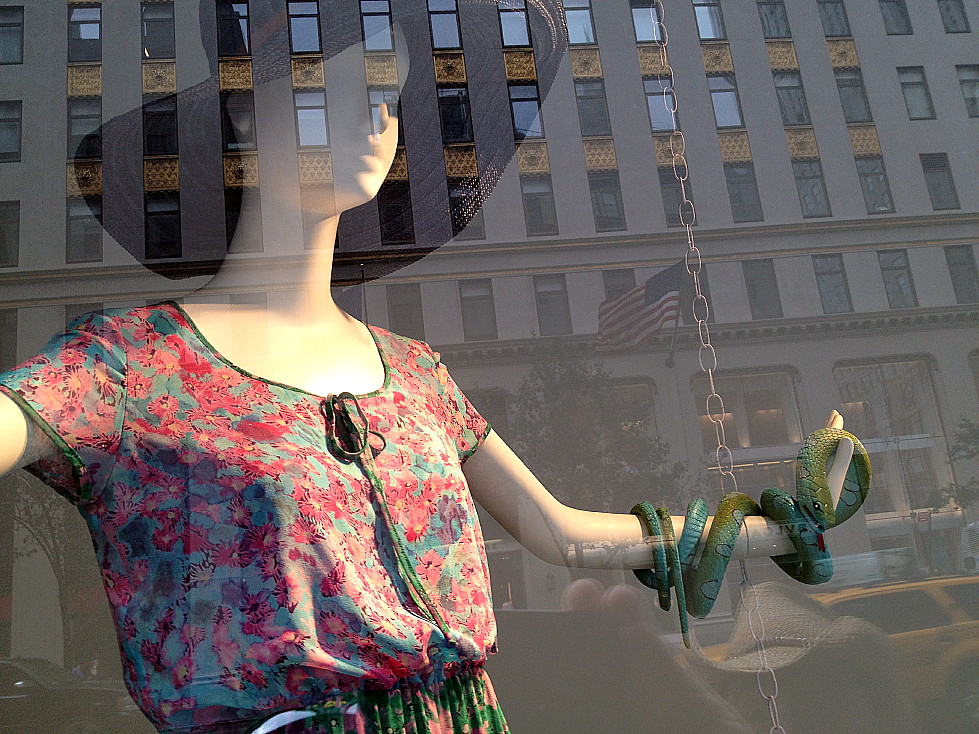
Bergdorf Goodman

study in anatomy

Bargain Store, Astoria

Bargain Store (detail)