In this week’s New Yorker

August 18, 2013

The one must-read article is “Taken,” Sarah Stillman’s shocking article on the outrageous misuse of civil forfeiture laws to strip American citizens of their belongings without charging them with any crime. Just when you think you’ve heard it all, along comes another insane way for police departments to harass poor and non-white Americans.

I haven’t gotten around to reading Zadie Smith’s story, “Meet the President!” But I will.
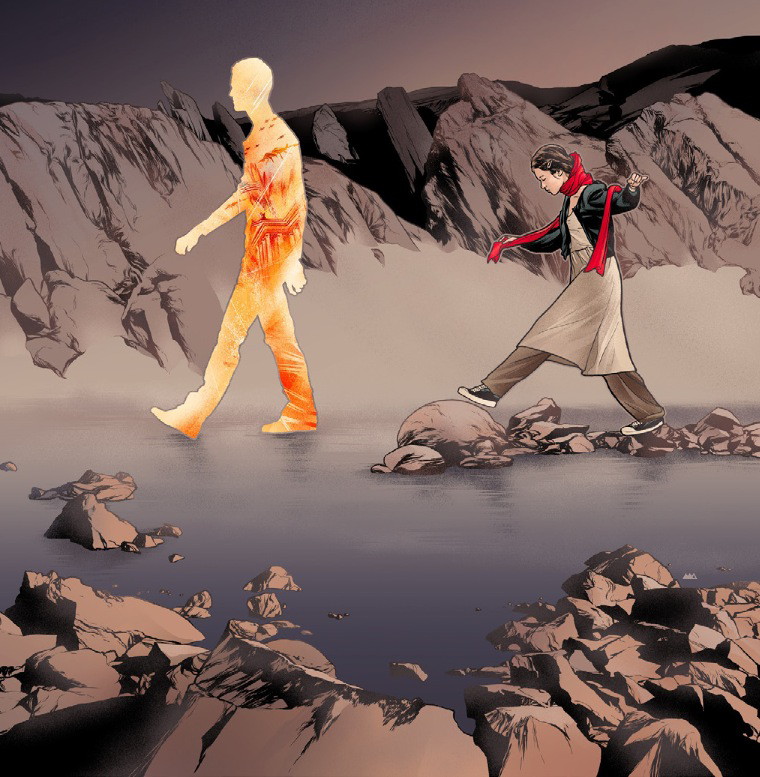
meet the president

Former editor-in-chief Robert Gottlieb, as plugged-in a publishing insider as there is, in his review gently spanks Boris Kachka for “Hothouse,” his somewhat credulous, gossipy history of the famed Farrar Straus & Giroux. And in “Compositions in Black and White,” Paige Williams profiles Bill Arnett, a collector of outsider art by black Southerners, in such a way as to manifest both his good-hearted championing of artists who would otherwise never be seen AND his obnoxious grandstanding.

My favorite cartoon:

picture of my crotch cartoon


Performance diary: WE’RE GONNA DIE

August 18, 2013

8.16.13 —  I think Young Jean Lee is one of the bravest and most talented young(-ish) artists on the New York theater scene. She challenges herself relentlessly, never works in the same genre more than once, and collaborates with artists from other forms and aesthetics all the time. I was delighted when Lincoln Center Theater scheduled a return engagement of We’re Gonna Die, a piece Lee first performed at Joe’s Pub and then brought to Lincoln Center last year at this time to inaugurate LCT’s new tiny black box space, the Claire Tow Theater. Just before We’re Gonna Die, Lee created a stylized costume drama kinda-but-not-really-adapted-from-Shakespeare called Lear at Soho Rep; just after WGD, she made Untitled Feminist Show, a (mostly) wordless dance piece featuring all naked women, which was performed at the Kitchen, where she’d also presented The Shipment, a play in which an ensemble of black actors played white characters. Unlike any of those, of course, We’re Gonna Die is staged as a rock concert, in which Lee fronts a band of nerdy boys called Future Wife.

future wife
I expected much more rock ‘n’ roll, but there’s quite a lot of stand-up storytelling about family and boyfriends – at heart, it’s an emotional account of Lee’s father’s recent attempt to participate in an experimental cancer treatment. The band is great, but Lee’s songs and performance are flat and mundane, intentionally so but not especially interesting (in the direction of Jonathan Richman, but not even that witty). Nevertheless, I admired her courage in getting up and doing it – I can’t think of too many other contemporary playwrights with the guts to live out their singing-with-a-band fantasies (although it’s fun to imagine: Adam Bock? Richard Greenberg? Annie Baker? David Mamet?) – and the band is terrific. (They are Tim Simmonds, Mike Hanf, Nick Jenkins, and Benedict Kupstas.) And she does get the audience to sing along on the title song, which closes the show – feel-good existentialism? Future Wife has just released an album of the show with a stellar array of guests, including David Byrne, Laurie Anderson, and Adam Horovitz of the Beastie Boys. You can hear the studio version of that song (overproduced if you ask me) below:


Quote of the day: MARRIAGE COUNSELING

August 18, 2013

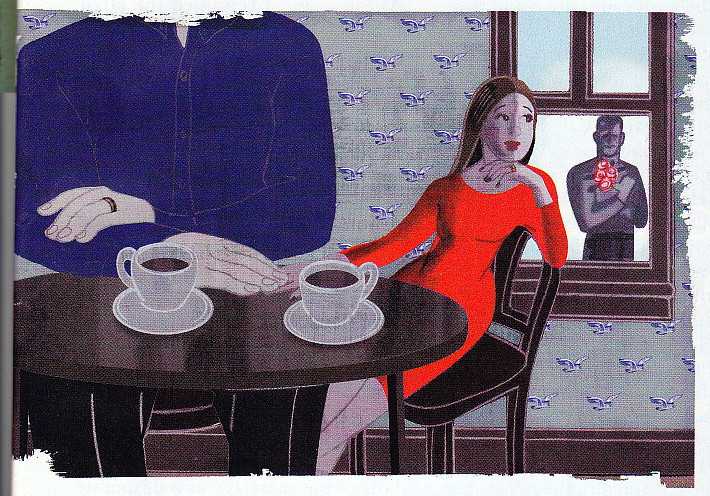
MARRIAGE COUNSELING

In my view, infidelity recovery has three phases: crisis, insight, and vision. The crisis stage occurs right after disclosure or discovery, when couples are in acute distress and their lives are in chaos. At this point, the focus of therapy isn’t on whether or not they should stay together or if there’s a future for them, but on establishing safety, addressing painful feelings, and normalizing trauma symptoms.

In phase two, the insight phase, we talk about what vulnerabilities might have led to the extramarital affair. Becoming observers of the affair, we begin to tell the story of what happened. Repeating endless details of the sexual indiscretion doesn’t help, but taking a deeper look at what the unfaithful partner longed for and couldn’t find in the marriage—and so looked for outside of it—as well as finding empathy for the other, who was in the dark, can elicit a shift in how both partners see the affair and what it meant in their relationship.

Phase three is the vision phase, which includes seeking a deeper understanding of the meaning of the affair and moves forward the experience and resulting lessons into a new concept of marriage and, perhaps, a new future. In this phase, partners can decide to move on separately or stay together. This is where the erotic connection will be renewed (or created) and desire can be revived. In this phase, the meaning of monogamy changes from a moralistic, blanket prohibition on outside sex to a search for deeper intimacy inside the marriage. A vision of the relationship going forward includes negotiating a new commitment.

— Tammy Nelson, Psychotherapy Networker

women who cheat


Quote of the day: VOICE

August 11, 2013

VOICE

All these beautiful smart girls crying on reality shows about how they can’t get a man. Well, your voice is the beginning of the problem, don’t you think? The vocal pandemic that is the sexy-baby virus is a form of submission to men, as if you’re a twelve-year-old girl. I speak lower than my natural voice, especially when I’m on a panel with a lot of dudes.

— Lake Bell

Lake_Bell


Photo diary: August in New York

August 11, 2013

(click photos to enlarge)

brunch in the West Village with Andy, Erick, Randall, and Paul

brunch in the West Village with Andy, Erick, Randall, and Paul

Ben in line for Shakespeare in the Park free tickets

Ben in line for Shakespeare in the Park free tickets

lunch with Dave by the Sheep Meadow

lunch with Dave by the Sheep Meadow

I love my funky backyard

I love my funky backyard

and seeing how my neighbors use their windowsills as storage space

and seeing how my neighbors use their windowsills as storage space

speaking of windows and backyards -- here's the view from Home and Leng's apartment at 110 and Fifth Avenue

speaking of windows and backyards — here’s the view from Home and Leng’s apartment at 110 and Fifth Avenue

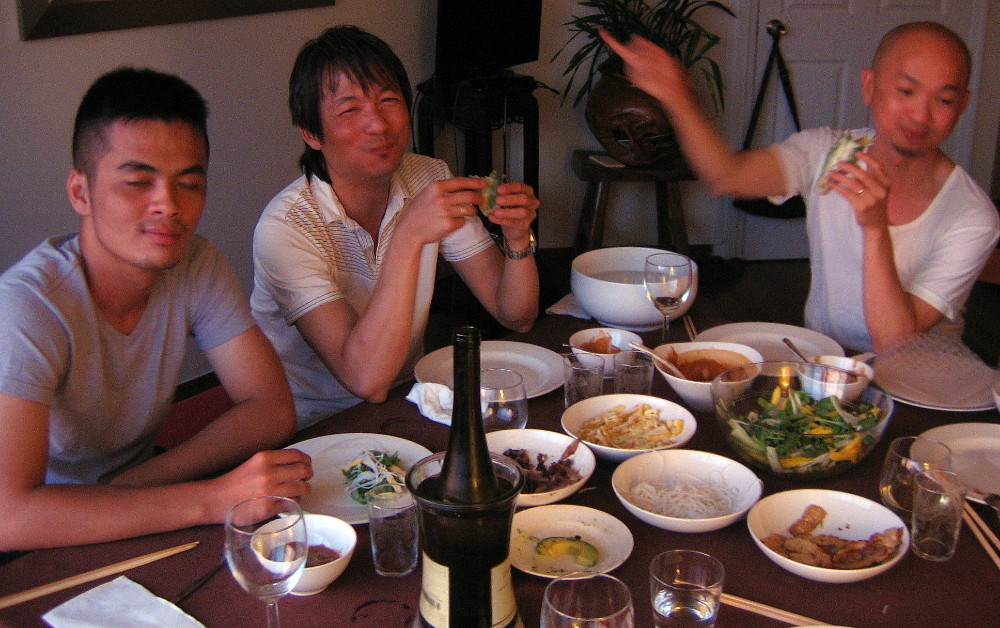
Home prepared a delicious meal of Vietnamese spring rolls and introduced us to their adopted son Duc (whose shining alert eyes were closed for this snapshot)

Home prepared a delicious meal of Vietnamese spring rolls and introduced us to their adopted son Duc (whose shining alert eyes were closed for this snapshot)

as if the conversation and the food weren't dazzling enough, we watched a spectacular sunset roll out

as if the conversation and the food weren’t dazzling enough, we watched a spectacular sunset roll out

10-8 last sunet