Aside from the cover by Bob Staake and Margaret Talbot’s right-on editorial about Obama’s endorsing gay marriage, the most remarkable thing about this issue for me is the indication that Robert Falls has upped the profile of Chicago’s Goodman Theater so much now that many of its productions command coverage by New York critics. Hilton Als reviews Falls’ production of The Iceman Cometh, starring Nathan Lane but featuring a couple of young actors who Hilton thinks are stars of tomorrow (Patrick Andrews and Kate Arrington). And the always plugged-in culture reporter Alec Wilkinson’s “Stage Secret” follows the acclaimed black Shakespearean actor John Douglas Thompson to clown school. I have yet to see Thompson onstage but I plan to repair that lacuna the next chance I get.
Otherwise, not a lot of essential reading. Jeffrey Toobin’s long piece on the Citizens United court case — the one that has unleashed a bottomless flood of unaccountable corporate donations to this year’s elections — reveals the couple of small errors on the part of the Solicitor General’s office that allowed this egregious legislation to get by the Supreme Court. But Toobin basically establishes that the Supreme Court has a very, very long history of being very conservative in the direction of considering corporations to be “people” whose First Amendment right to self-expression is sacrosanct. Which is of course of a lot of horseshit that denies what should be perfectly obvious to any impartial law court, which is that the money corporations have to sling around allows them to drown out the voices of actual people.
I also read with interest Xan Rice’s story, “Finish Line,” about Kenyan runners in general and Olympic champion Samuel Wanjiru in particular.
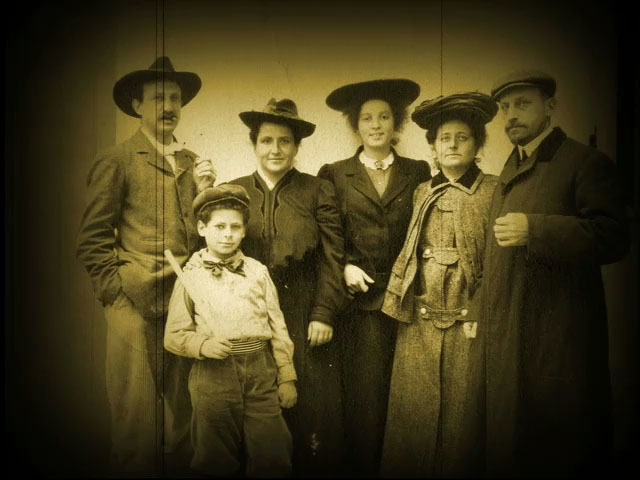
May 11 – I finally got around to checking out the 2012 Whitney Biennial. I arrived before the museum opened, though, so I had half an hour to kill, which motivated me to bicycle over to the Met to see another show on my must-see list: “The Steins Collect: Matisse, Picasso, and the Parisian Avant-Garde.” Gertrude Stein has been a lifelong culture hero of mine, and I’ve read all the major biographies, yet this show succinctly and powerfully made me understand certain crucial things about her and her family (above) for the first time. For one thing, they were rich kids whose European adventures were bankrolled by their family’s successful real estate and manufacturing businesses. I just recently watched the fascinating documentaryHerb and Dorothy, which depicts the Vogels, a retired librarian and postal worker who have spent their entire adult lives and earnings buying contemporary art from emerging artists they’d befriended, one $100 piece after another, carrying them in their hands or in taxis to their rent-controlled Upper East Side one-bedroom apartment. They amassed a collection of pieces which they have now donated – not sold – to the National Gallery in Washington, DC. Gertrude and Leo were a little like those two. They had more money to start with but not vast fortunes, so they started buying work by artists of their generation and inviting friends and strangers to their apartment in Paris to view work that was not otherwise on display. Ten of the first 19 paintings they bought circa 1904 pictured naked women, which tells me that Leo, unmarried at age 32, was a horny lad. When Leo moved out of the apartment – largely because he couldn’t stand Gertrude’s grandiosity, ambition, or writing (he thought she and Picasso were frauds) – they divvied up the artists they loved: Leo got Renoir and Gertrude got Picasso. Meanwhile, their older financially savvy banker brother Mike and his wife Sarah (called Sally) cultivated Matisse. How these personalities meshed is beautifully and clearly articulated in this terrific exhibition, full of great familiar and unfamiliar paintings (such as Picasso’s MelancholyWoman, below) as well as tons of family photos. Kudos to curator Rebecca Rabinow!
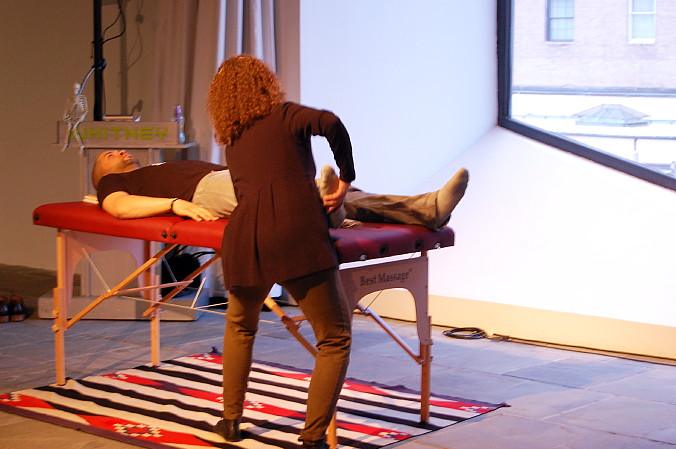
I went back to the Whitney, where I found the Biennial somewhat less exciting than I thought it would be. There is a large performance element to this Biennial – the entire fourth floor is given over to Alicia Hall Moran and Jason Moran’s mini-festival BLEED. When I walked through, though, the performance happening was a demonstration of Alexander technique on massage tables at either end of the room (with the Morans serving as demo models for practitioners Gwen Ellison and Jessica Wolf — see below), not especially interesting to observe. There was an installation elsewhere on the fourth floor with a recorded text by Dennis Cooper that I would like to have heard, but it was switched off during the performances.
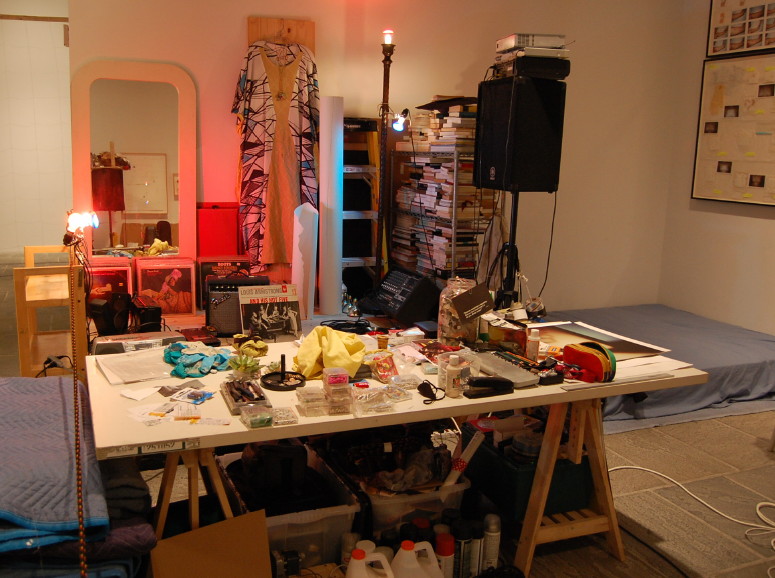
I had heard about Dawn Kasper’s installation, This Could Be Something if I Let It, which consists of everything in her home/studio packed up and moved to a gallery at the Whitney. She wasn’t on the premises when I walked by, but I got a kick out of having permission to peer at her stuff.
Otherwise, I was surprised at how little of the work grabbed me. I peeked into the screening room on the second floor, where Wu Tsang’s Wildness was just beginning. At first glance, I took it to be an ethnographic documentary about Latino neighborhoods and I was about to leave when the narrator said something about having being involved in the queer punk scene in Chicago before moving to L.A. That piqued my interest enough to sit down and watch, and it turned out to be a phenomenally engrossing film.
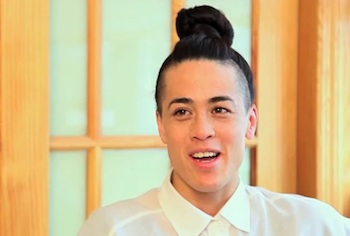
Wu Tsang (above) is a 30-year-old Chinese-American transgendered artist who stumbled upon the Silver Platter, a historic gay bar in the predominantly Latino community of MacArthur Park. The bar was owned by Gonzalo Rodriguez and his sister Rosa, who inherited it from their brother Rogelio, who founded the bar and then died (AIDS is implied), and they ran the place with help from Gonzalo’s ex-boyfriend Koky and his current boyfriend Javier. The Silver Platter mostly catered to discreetly gay Latino guys in Tejano hats and work boots but Friday nights was a drag show that made the bar a haven for trans gals, many of them immigrants. Wu and several club-kid/DJ friends proposed a Tuesday night party called Wildness that caught on and quickly became a dynamic crossroads and de facto community center for transpeople. (It reminded me of San Francisco’s legendary Trannyshack, of which this film makes no mention.) The film, shot over the course of two years, traces the excitement and challenges that met this kind of collaboration/clash of races, cultures, and classes in a very smart and self-questioning way. (Among the lessons learned: for all the club’s efforts to create “safe space” for transpeople, the biggest danger came from the straight white hipster who wrote up the club for the L.A. Weekly as if it were a sleazy south-of-the-border stand-up brothel.)
The film is formally inventive and very honest. You can watch the trailer online (above), but it only hints at the complexity and quality of the overall film, which I highly recommend. It screened three times a day for one week during the Biennial; there may be a theatrical run at some point and the inevitable DVD release. This was the highlight of the Biennial for me, though I intend to go back and revisit. There’s also a recreation of the Silver Platter upstairs on the fourth floor with two-channel video of excerpts from the film.
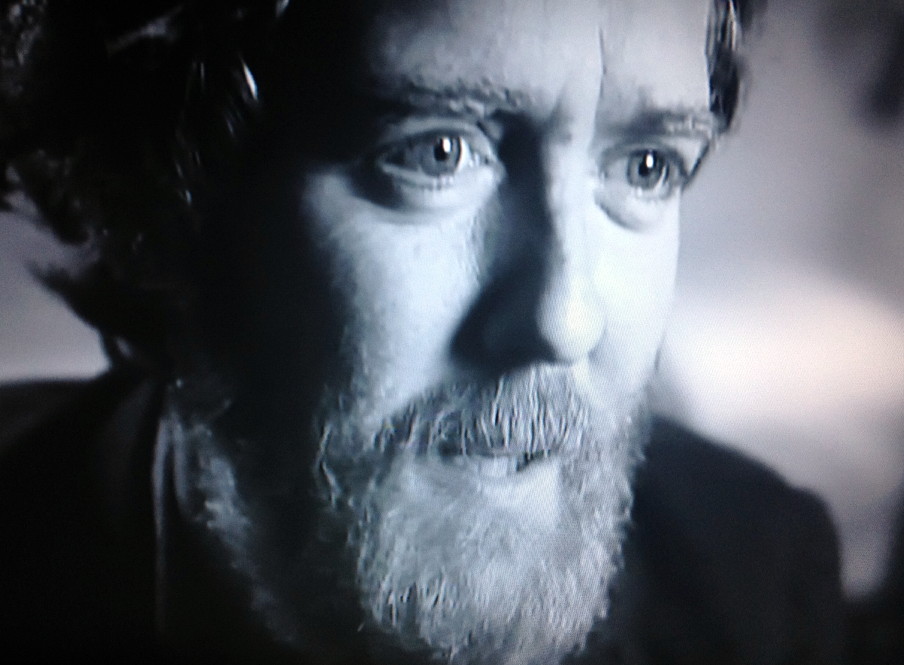
May 12 — Andy sings with the Dessoff Choirs, who gave their annual spring concert at the Church of the Epiphany on the Upper East Side. The program of music for choir and organ (well-played by guest artist Sean Jackson), titled “Lux Aeterna,” included two works by that name, Elgar’s and Morten Lauridsen’s, as well as five anthems by Henry Purcell and three pieces by Frank Lewin. The concert was beautifully sung. My single favorite piece was the a cappella hymn “O nata Lux” from Lauridsen’s suite, but I also loved the three Benjamin Britten pieces they performed: the gorgeous “Jubilate Deo” and “Festival Te Deum” and the weird, exhilarating “Rejoice in the Lamb.” The latter was a 1943 setting of a poem written by Christopher Smart (1722-71, pictured below) in an insane asylum. As music director Christopher Shepard understates in his program note, “The text is brilliant though fantastic; it is a song of praise to God that relies heavily on animal imagery.” You can read the whole poem here – refreshingly nutty.
We went out for dinner afterwards to Malaga, a tapas and wine bar on E. 73rd Street – yummy food and good wine, reasonably priced.
I am talking about the Plague…the years from 1981 to 1996, when there was a mass death experience of young people. Where folks my age watched in horror as our friends, their lovers, cultural heroes, influences, buddies, the people who witnessed our lives as we witnessed theirs, as these folks sickened and died consistently for fifteen years. Have you heard about it?
Amazingly, there is almost no conversation in public about these events or their consequences. Every gay person walking around who lived in New York or San Francisco in the 1980s and early 1990s is a survivor of devastation and carries with them the faces, fading names, and corpses of the otherwise forgotten dead. When you meet a queer New Yorker over the age of forty, this should be your first thought, just as entire male generations were assumed to have fought in World War II or Korea or Vietnam….
81,542 people have died of AIDS in New York City as of August 16, 2008. These people, our friends, are rarely mentioned. Their absence is not computed and the meaning of their loss is not considered.
2,752 people died in New York City on 9/11. These human beings have been highly individuated. The recognition of their loss and suffering is a national ritual, and the consequences of their aborted potential are assessed annually in public. They have been commemorated with memorials, organized international gestures, plaques on many fire and police stations, and a proposed new construction on the site of the World Trade Center, all designed to make their memory permanent. Money has been paid to some of their survivors. Their deaths were avenged with a brutal, bloody, and unjustified war against Iraq that has now caused at least 94,000 civilian deaths and 4,144 military deaths.
The deaths of these 81,542 New Yorkers, who were despised and abandoned, who did not have rights or representation, who died because of the neglect of their government and families, has been ignored. This gaping hole of silence has been filled by the deaths of 2,752 people murdered by outside forces. The disallowed grief of twenty years of AIDS deaths was replaced by ritualized and institutionalized mourning of the acceptable dead. In this way, 9/11 is the gentrification of AIDS. The replacement of deaths that don’t matter with deaths that do. It is the centerpiece of supremacy ideology, the idea that one person’s life is more important than another’s. That one person deserves rights that another does not deserve. That one person deserves representation that the other cannot be allowed to access. That one person’s death is negligible if he or she was poor a person of color, a homosexual living in a state of oppositional sexual disobedience, while another death matters because that person was a trader, cop, or office worker presumed to be performing the job of Capital.
— Sarah Schulman, The Gentrification of the Mind: Witness to a Lost Imagination
Saturday was my birthday and a beautiful day, so Andy and I took a walk through the bland dead part of Astoria…
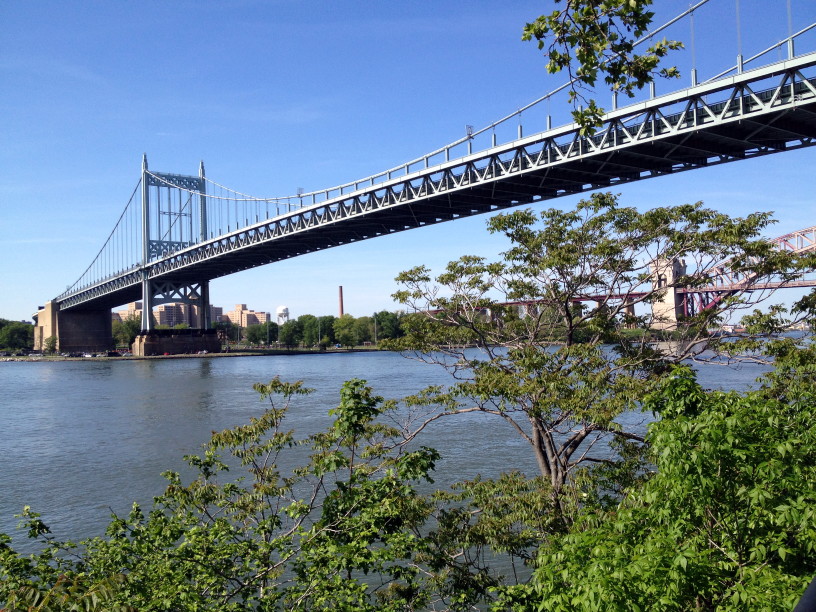
…’til we got to Astoria Park with its beautiful lawns and views of the East River, Randalls Island, and the RFK bridge.
we sat on a bench reading our books for a while
until we could no longer resist the siren call of the Mister Softee truck parked across the street.
obviously, we weren’t the only ones
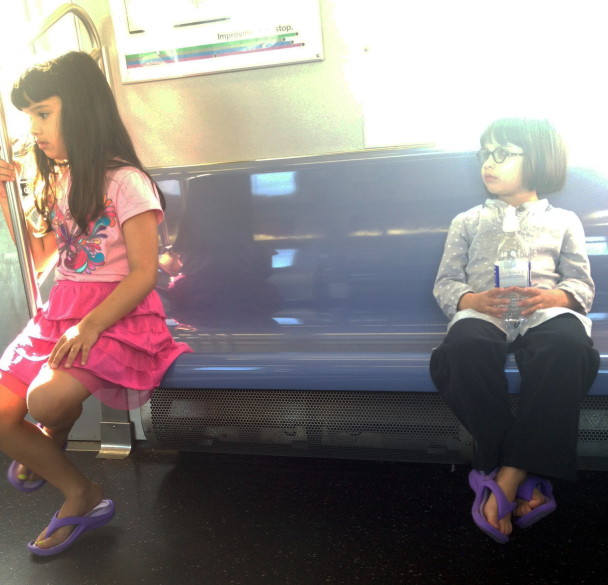
we headed back into Manhattan — on the subway these little girls were riveted by the sight of a homeless man sprawled sleeping on an entire row of seating (while everybody else studiously avoided him)
Andy and Steve gave a concert with the Dessoff Choirs — Randall and I and Steve’s sister Terry attended — and we all went out for dinner afterwards to Malaga on E. 73rd Street
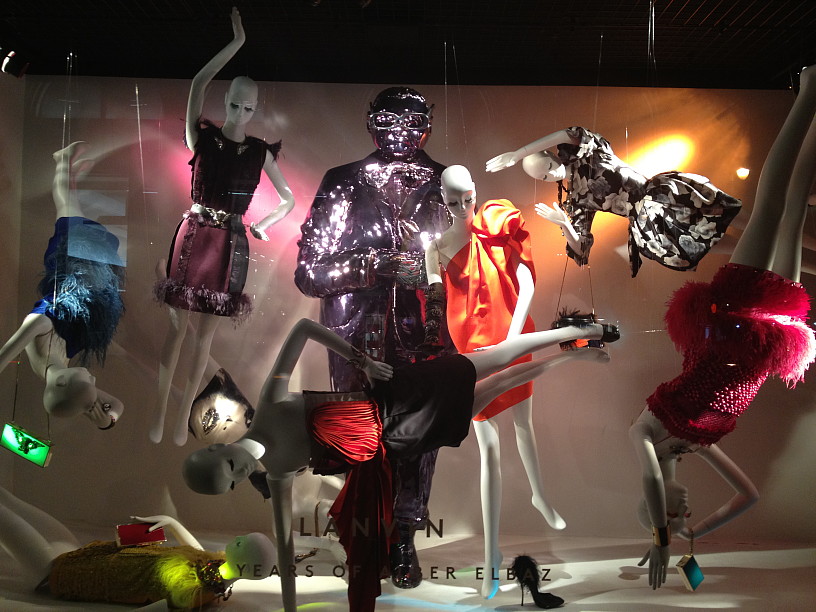
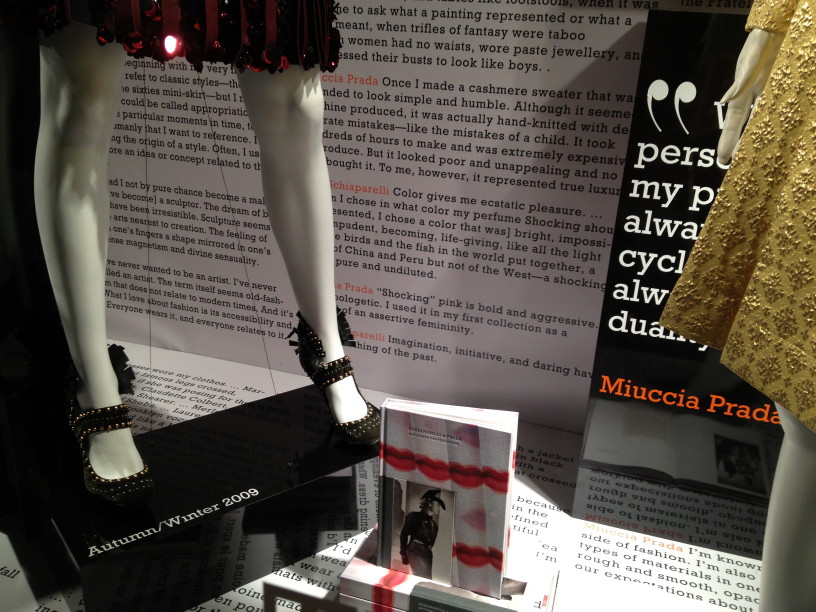
Andy and I walked back to my house, pausing to take in the windows at Barneys











 another eye opens