Quote of the day: MEDIA TECHNOLOGY

January 18, 2015

Amid the bacchanal of disruption, let us pause to honor the disrupted. The streets of American cities are haunted by the ghosts of bookstores and record stores, which have been destroyed by the greatest thugs in the history of the culture industry. Writers hover between a decent poverty and an indecent one; they are expected to render the fruits of their labors for little and even for nothing, and all the miracles of electronic dissemination somehow do not suffice for compensation, either of the fiscal or the spiritual kind. Everybody talks frantically about media, a second-order subject if ever there was one, as content disappears into “content.” What does the understanding of media contribute to the understanding of life? Journalistic institutions slowly transform themselves into silent sweatshops in which words cannot wait for thoughts, and first responses are promoted into best responses, and patience is a professional liability. As the frequency of expression grows, the force of expression diminishes: Digital expectations of alacrity and terseness confer the highest prestige upon the twittering cacophony of one-liners and promotional announcements. It was always the case that all things must pass, but this is ridiculous.

— Leon Wieseltier, “Among the Disrupted,” New York Times Book Review

disruption illo joon mo kang


Culture Vulture: Chris Ofili’s NIGHT AND DAY and Keith Hennessy’s bear/SKIN

January 11, 2015

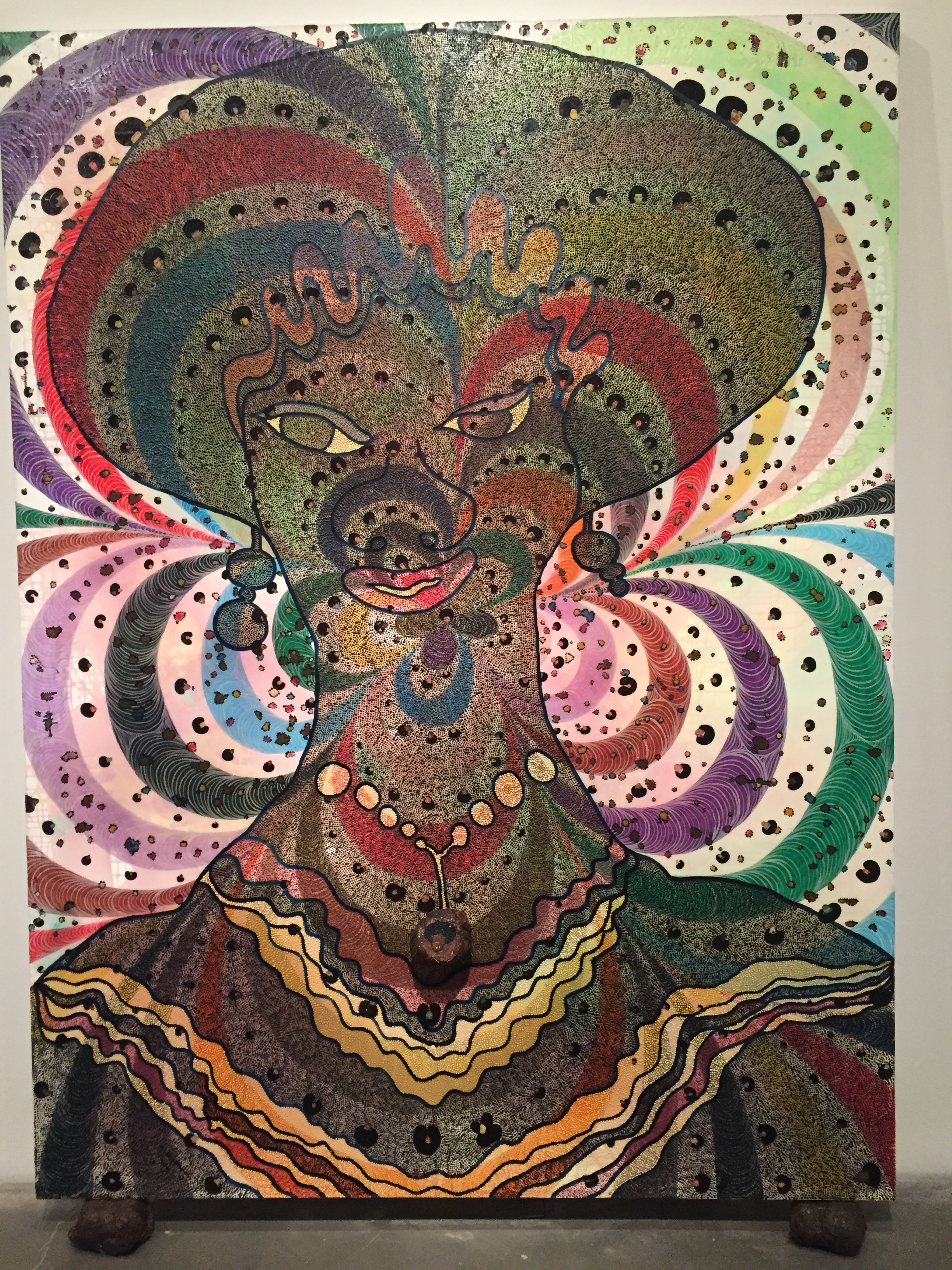
My expedition to the Lower East Side began at the New Museum to see “Night and Day,” the first retrospective in New York City of paintings by Chris Ofili, the artist of Nigerian descent who was born in London and currently resides in Trinidad. I was very keen to see the show because I’d heard so much about Ofili’s work, and Calvin Tompkins’ profile of him in the New Yorker recently also whetted my appetite. The show takes up three floors of the New Museum, and the work on the second floor captivated me the most — large, textured, sexy brightly colored witty canvases with other materials collaged in with the paint. They’re definitely worth seeing in person, close up.

1-8 ofili odalisque
Of course, Ofili gained some notoriety in New York in 2005 when a work of his called “The Holy Virgin Mary” appeared in a group show at the Brooklyn Museum and was attacked, sight unseen, by Mayor Rudy Giuliani as blasphemous, based on sensationalized descriptions of the piece in the tabloid press. One of Ofili’s key materials is elephant dung — he uses dried balls of it like furniture legs to rest many of his large canvases on, and one of the Virgin Mary’s breasts was represented by a similar clump of elephant dung. That whole controversy was an embarrassing episode for New York City and Giuliani, and “Night and Day” frames it beautifully by standing “The Holy Virgin Mary,” a somewhat provocative young man’s piece, far from Ofili’s finest work, next to a very strong piece called “No Woman No Cry.”

1-8 ofili no woman no cry
Taking its title from the Bob Marley song, the painting was inspired by yet another episode of a young black man killed by police in London many years ago. You can see here that the mother’s necklace and the footrests for the painting are all made of…well, I realize that in the course of Brooklyn Museum controversy the press learned to refer to the material as “dung,” a polite word that can be printed in family newspapers. But one of the pieces in “Night and Day” explains how early in his career Ofili made an  installation/performance on the street in London selling what he explicitly labeled “Elephant Shit.” At the New Museum we see a tiny little piece called “Shithead,” featuring elephant shit with baby’s teeth and some clumps of Ofili’s own hair turning it into a grinning scheisskopf. So all along, Ofili’s attitude about the stuff has been witty, not just folkloric. On the second floor there are several canvases depicting a black action hero he invented named Captain Shit. I very much enjoyed this ghostly/amusing one called The Naked Spirit of Captain Shit and the Legend of the Black Stars:
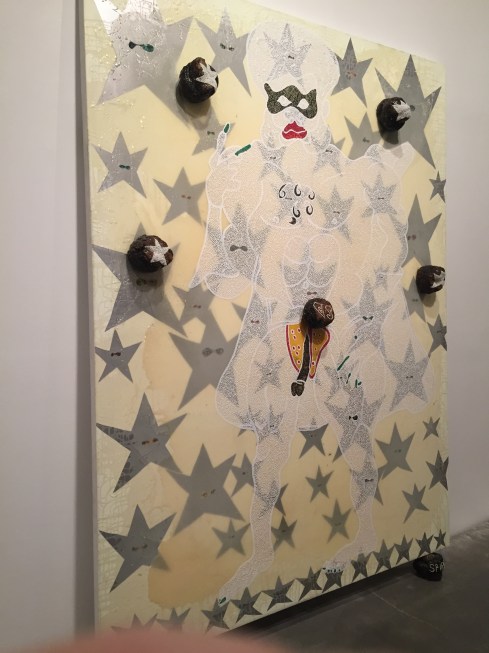
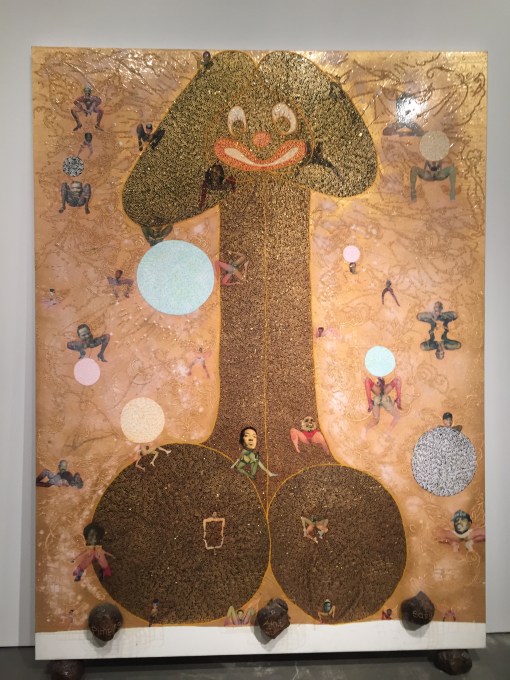
1-8 ofili capt shit

1-8 ofili happy phallus

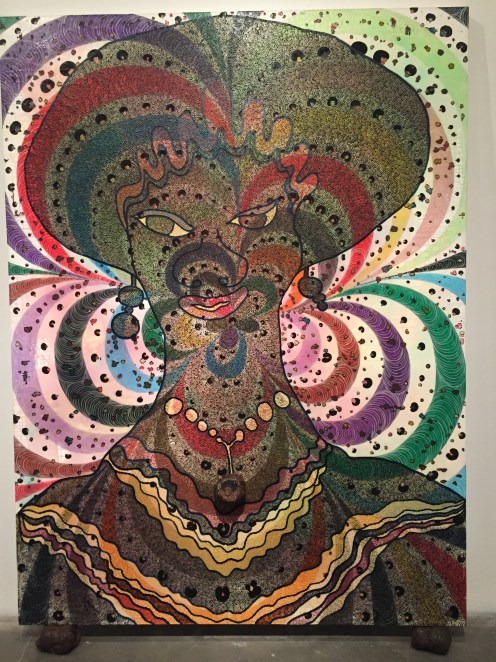
His female figures are fierce, voluptuous goddesses — my favorite is simply titled She:
1-8 ofili she
Strangely, the lighting for this exhibition is shockingly poor — the strong overhead lighting casts a lot of glare on the canvases. On the third floor is a room of recent very dark paintings that are almost impossible to see anyway, and the lighting makes the experience of communing with them worse. On the fourth floor are a series of paintings inspired by Ovid’s Metamorphoses, less interesting to me than this piece called Lime Bar, which includes an Ofili self-portrait (apparently in Trinidad he bartends part-time at a friend’s bar):

1-8 ofili lime bar

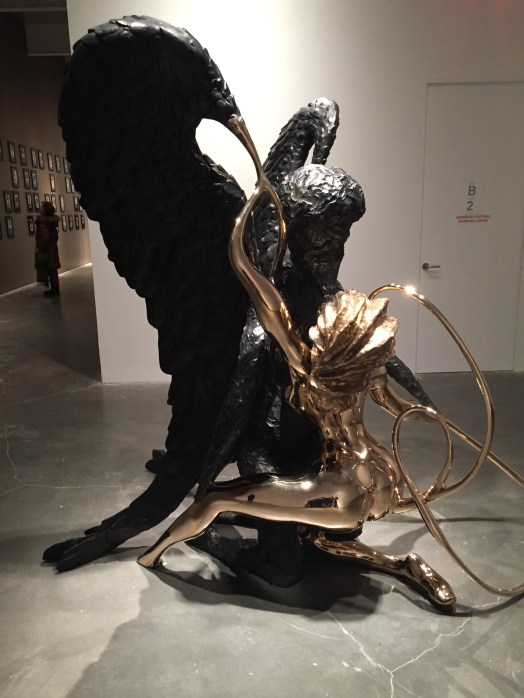
I was fascinated by Ofili’s rendition of the Anunciation, a huge sculpture with a black angel and a gold Madonna, fused at the mouth like Rodin’s famous sculpture The Kiss:
1-8 ofili annunciation
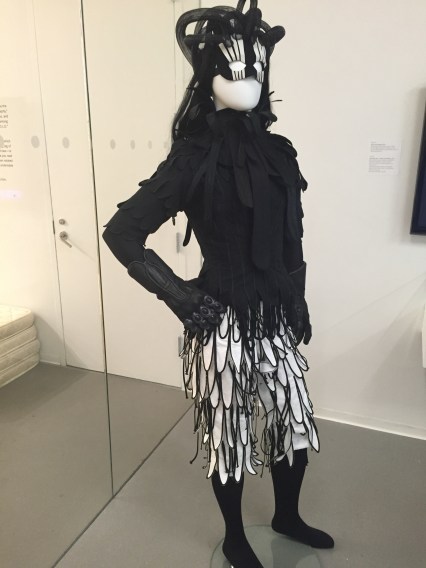
On the fifth floor is a small sidebar, “When Shadows Were Shortest,” about Ofili’s sets and costumes for an opera based on the myth of Diana and Acteon — I loved this costume for a shadowy hound-creature :
1-8 ofili opera costume
Afterwards, we went for a quick tasty bite at Pearl & Ash, the cozy wine bar right across the street on the Bowery.

1-8 pearl and ash
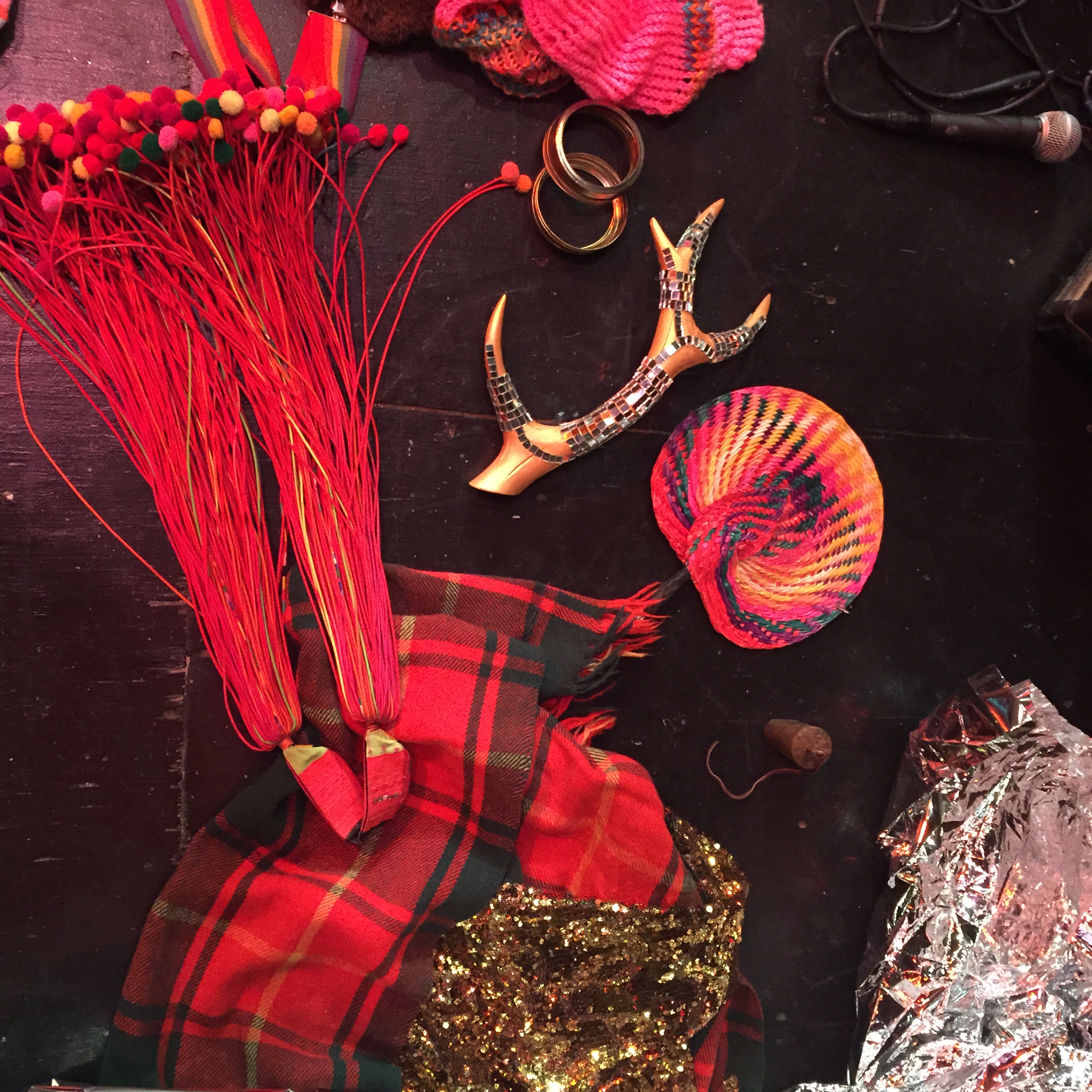
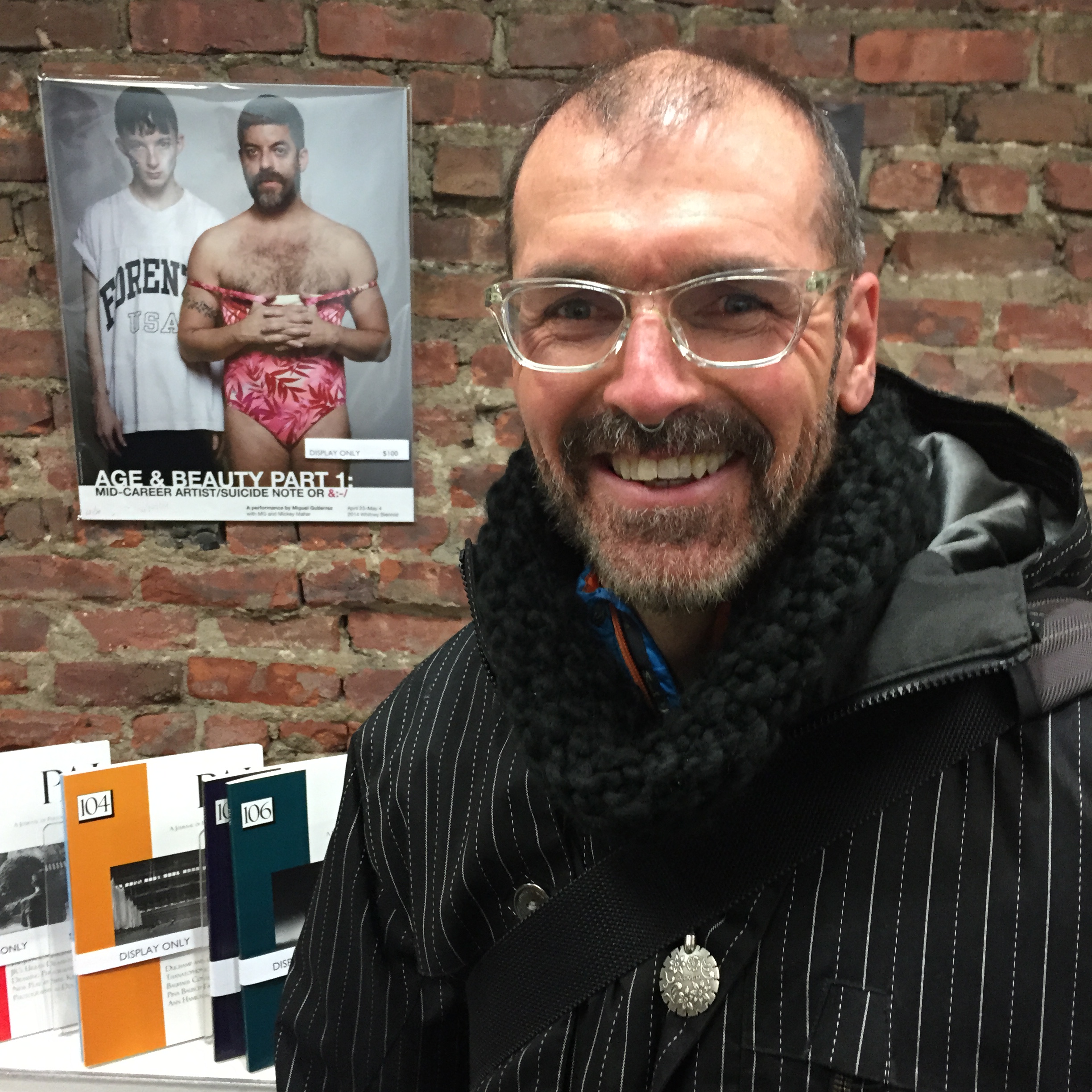
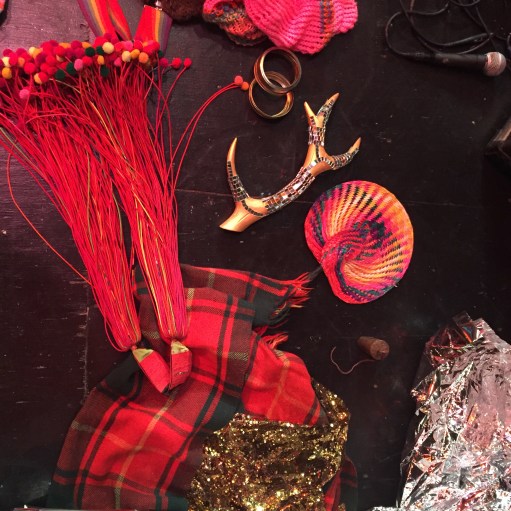
Then it was time to mosey down to the Abrons Arts Center to see the opening night of my friend Keith Hennessy’s Bear/Skin in the American Realness festival. Born in Canada and based primarily in San Francisco, Hennessy is a highly skilled dancer, performance artist, and nouveau cirque acrobat; he is also a veteran social activist, community organize, and now credentialed art historian, so his work tends to incorporate an unusual density of verbal commentary and visual imagery. In the American Realness catalogue, here’s the description: “Motivated by grand spectacle and ambitious prayer, Bear/Skin appropriates Nijinsky’s choreography for Le Sacre du Printemps (1915) to consider Modernism’s dependence on appropriations of the indigenous, folk, exotic and oriental to ask questions about ritual and art today.” But no such summary does justice to the collage that Hennessy performs or the relentless intellectual dance he does, introducing theoretical points of view and critiquing them at the same time. He starts with a poem about action movies as “medicine,” riffing on the screen depiction of violence against cops as both a cathartic response to real-life police brutality and a heroic mythology.  While seeming to be very casual about it, Hennessy sets up the conditions for a pagan performance ritual, donning a bear suit in such a way that conjures images both of ancient shaman and contemporary urban homeless person. There’s an extended verbal commentary about “the economy of suicide,” as it disproportionately impacts the young, the elderly, and the military. Setting up his laptop for occasional glancing reference, Hennessy duplicates a section of Nijinsky’s original choreography for Le Sacre du Printemps. Then he changes into an elaborate multilayered costume — a three-minute interval during which the audience is invited to commune with one another under the kind of mylar space blankets marathon runners and park-bench sleepers use to warm themselves — to do an entirely invented sort of shamanic ritual dance of transformation.

bearskin audience
1-8 bearskin props
1-8 keith abrons

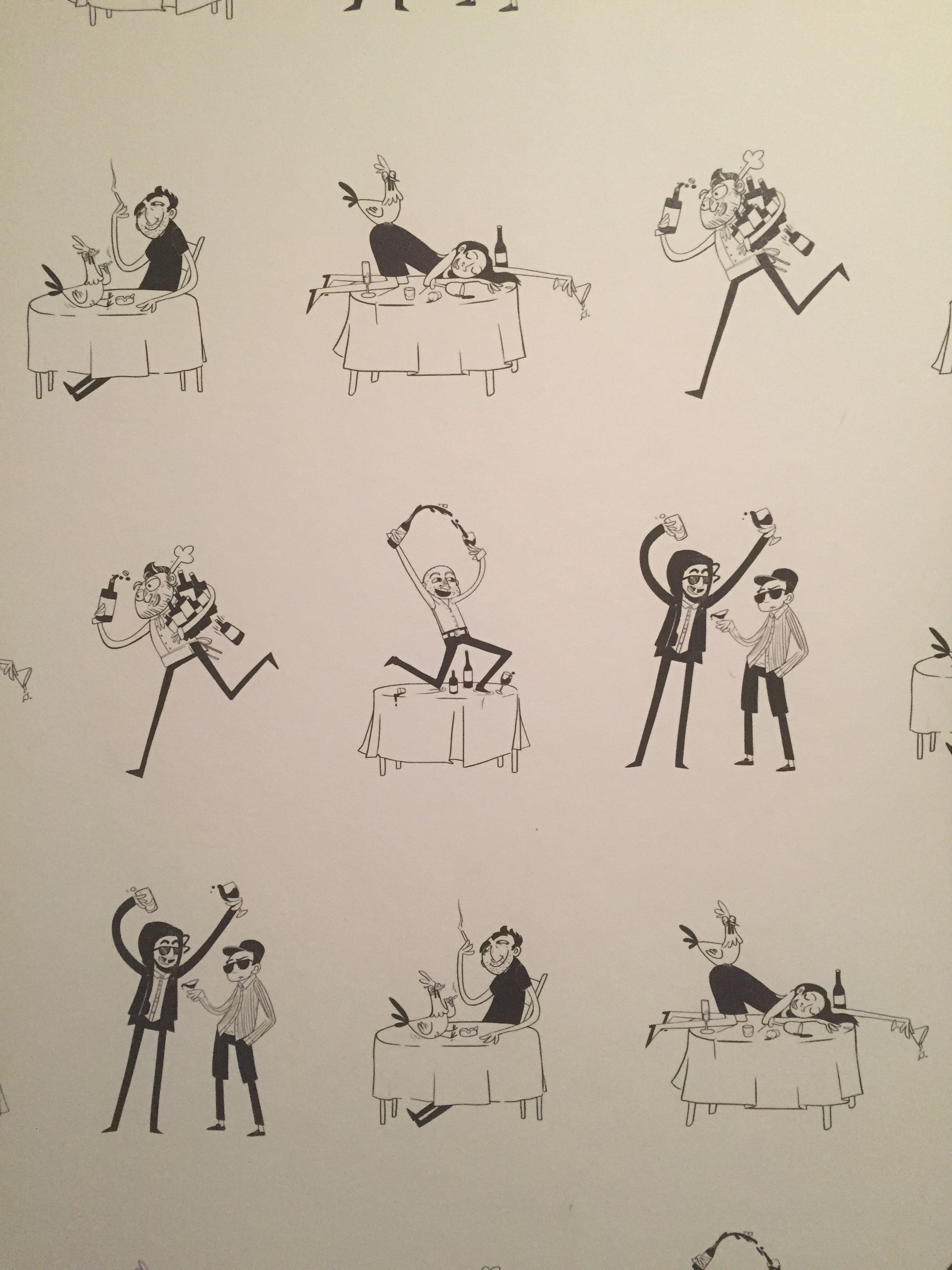
Afterwards we had dinner in the warm basement of Galli on Rivington Street and talked about the show and its many sources and layers.

wallpaper in the bathroom at Galli

wallpaper in the bathroom at Galli


Photo diary: New Year’s in Sullivan County

January 3, 2015

(click photos to enlarge)

12-31 barryville house12-31 andy ben woods12-31 river ice12-31 icicles12-31 welcome hunters

brunch at The Heron in Narrowsburg felt very much like we were in Williamsburg

brunch at The Heron in Narrowsburg felt very much like we were in Williamsburg

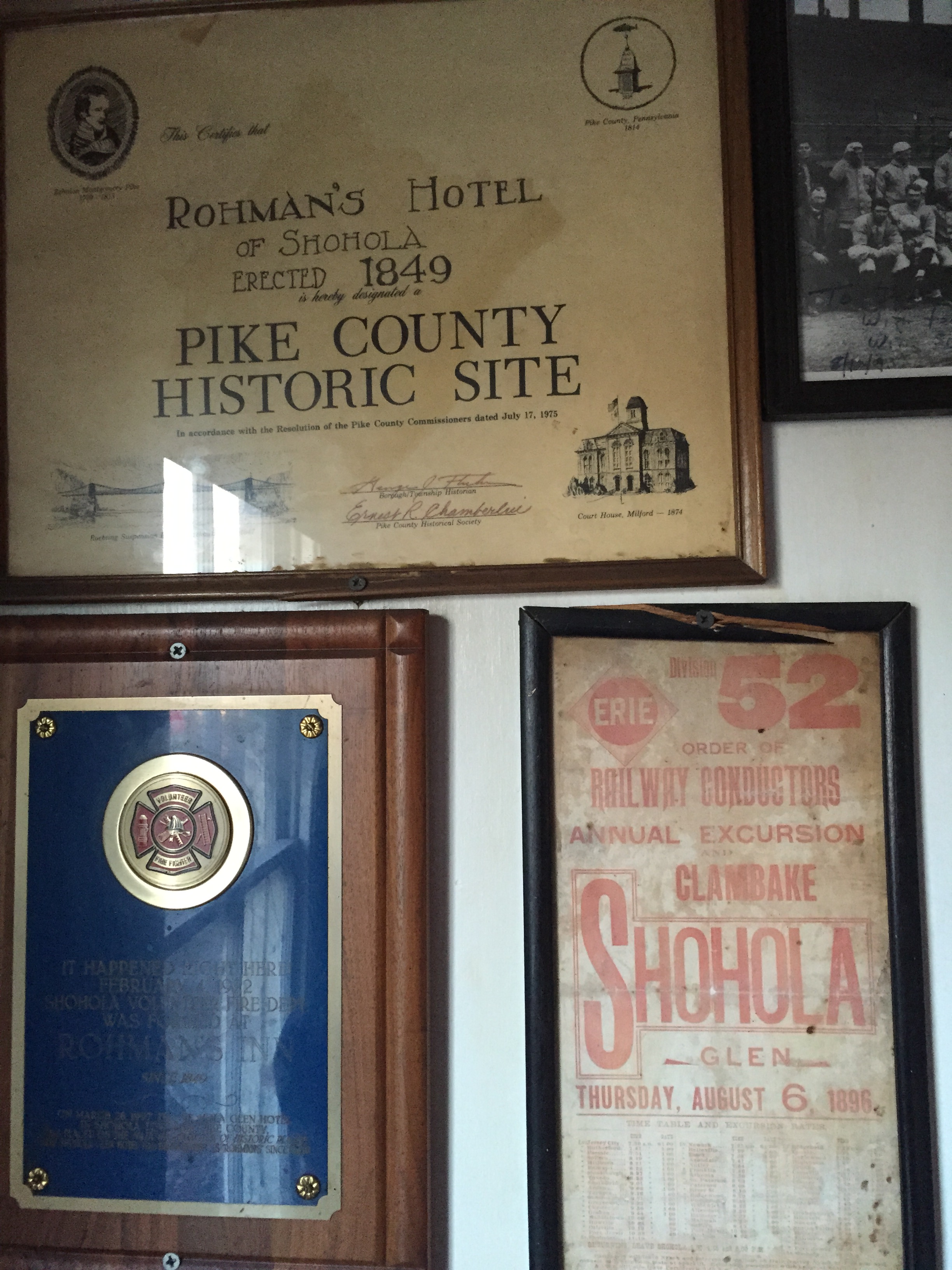
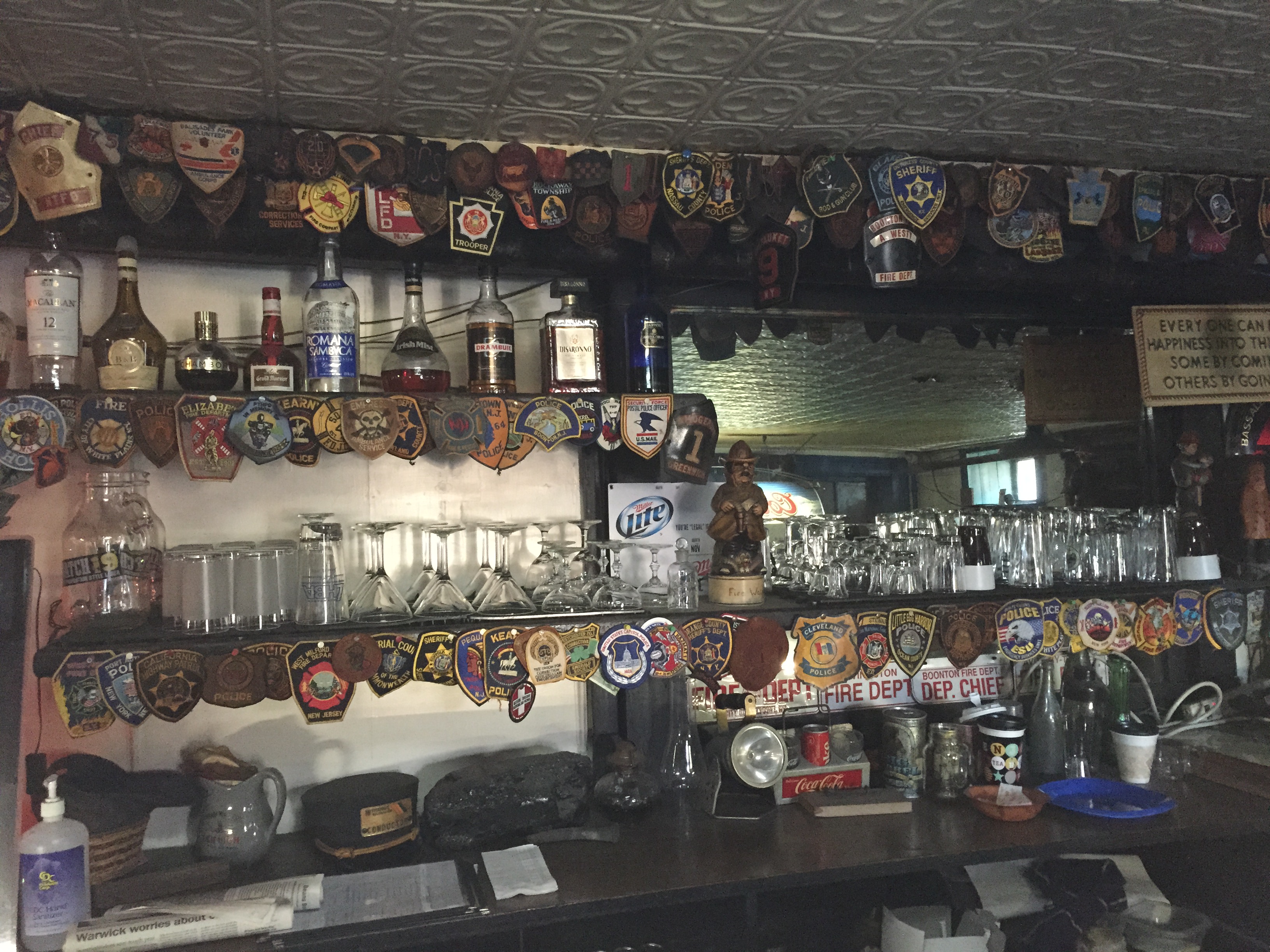
then we slipped across the border to Shohola, PA -- another world

then we slipped across the border to Shohola, PA — another world

12-31 cops firemen swag12-31 rohman bartender

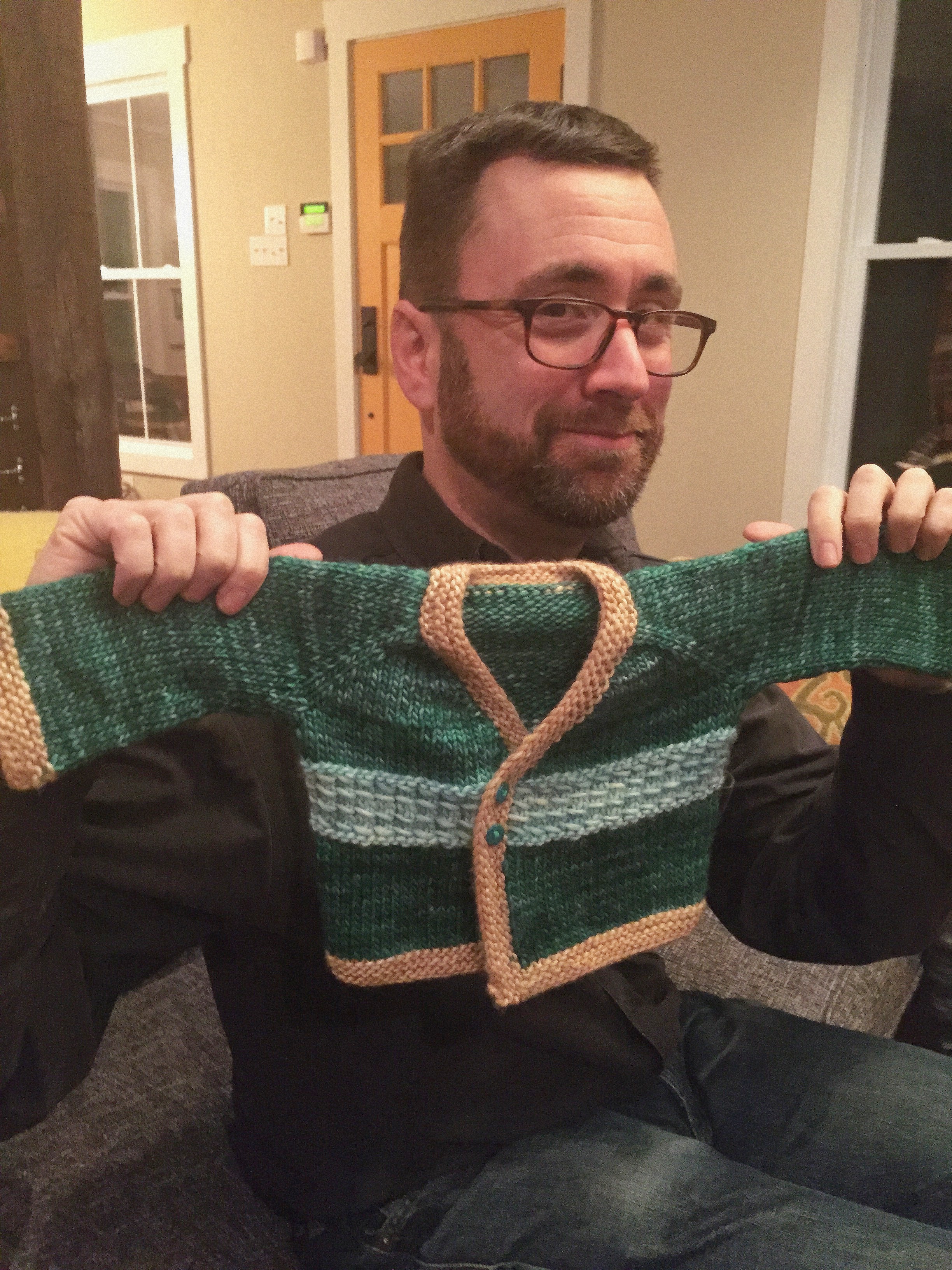
Andy finally finished the baby sweater

Andy finally finished the baby sweater


From the deep archives: Edward Herrmann (1943-2014)

January 2, 2015

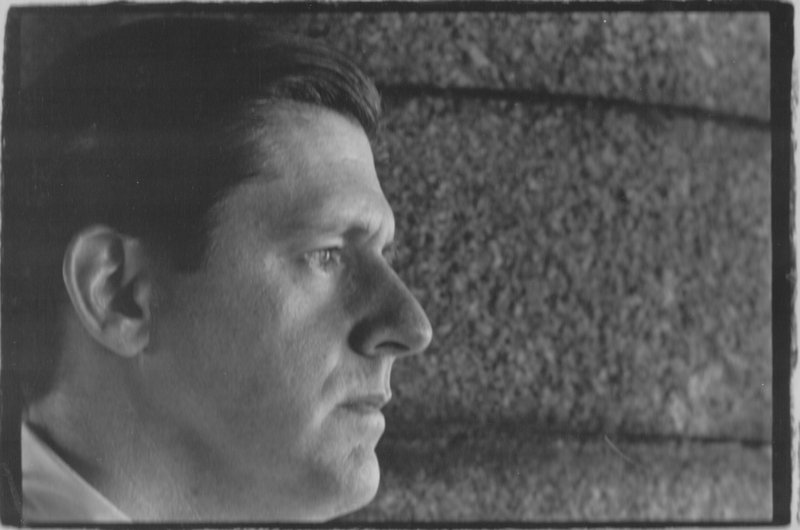
I was sad to hear that the fine actor Edward Herrmann died on New Year’s Eve at the age of 71. He was one of the 55 men featured in Caught in the Act: New York Actors Face to Face, my collaboration with photographer Susan Shacter that was published by New American Library in 1986. Susan’s Kennedy-esque portrait of Herrmann was one of my favorites in the book; a print of it has hung in my home for decades.

ed herrmann

When I interviewed him for the book, he was quite thoughtful, candid, opinionated, and funny. Here’s an excerpt:

Why did you want to act in the first place?

To act out feelings too intense to articulate. To release pain or elation by acting it out. In high school, I emulated my athlete brother — I was a trainer. I stayed away from the theater crowd. Everybody thought they were pansies, and weird. I’m glad I stayed away from them — they were pansies, and weird. If you go too soon into the hothouse, you develop attitudes that make you unfit for other things. The best actors are inclusive of experience, not the ones who are overly specialized in theater.

When you’re an actor, you tend to draw parts to you that are essential to working something out in your life. There’s something crucial in that character’s dilemma that you can apply to yourself. It’s the most creative therapy under the sun. But it’s not just therapy. I’ve often found parts allowed me to experience things I didn’t have to go through in life.

I did The Great Waldo Pepper with Robert Redford in which I had this relationship with this megastar where I had to put him down all the time and call him an asshole. I didn’t do it very well; I was obsequious. We mythologize other actors. They don’t need it. When we were doing The Betsy, Olivier found out I was from Michigan, and he came over and asked, “How’s the accent?”

How do you get over being starstruck?

You don’t get over it; you learn to control it. The first thing to recognize is that it’s something we do — it comes from us. Stars are primary psychological images. Actors forget that the profession depends on the tribe mythologizing us into the image they need in order to be healed. Fonda’s a healer. Duke Wayne, Stewart — they express something that needs to be expressed. Right now, unfortunately, it’s Rambo. It may be horrible, but it’s a fact.

But the profession doesn’t recognize it. All those towers on Sixth Avenue, those solid edifices, are built on nothing. They’re built on what happens between one actor and another, an energy that passes through performers from a writer, a series of ideas with no substance that draws the interest and need of a community. If television executives knew how those images affect the community, they’d become monks. They’re responsible for the psychic health of the world, and they turn out images of lust, cruelty, greed, violence, and meanness twenty-four hours a day. It amazes me that people still talk to one another.

You can read the complete interview from Caught in the Act online here. Check it out and let me know what you think.


Quote of the day: HANGOVER

January 2, 2015

HANGOVER

If you were suffering from a hangover on New Year’s Day, you weren’t alone. The chief culprit is dehydration caused by the diuretic effect of ethanol, which can lead to shrinkage of brain tissue, and that causes headache. Alcohol irritates the lining of the stomach, causing queasiness. Other symptoms are caused by the toxic by-products of the liver’s detoxification process. For something so common, hangover is poorly understood by the medical community, and quack remedies abound.

Hangover remedies probably evolved hand in hand with alcohol consumption. Pliny the Elder counseled Romans to eat fried canaries or raw owl’s eggs. Ancient Assyrians tried to assuage their anguish by consuming a concoction of ground bird beaks and myrrh. Medieval Europeans consumed raw eels with bitter almonds. The Chinese drank green tea, which seems benign enough, but their neighbors the Mongolians ate pickled sheep’s eyes. The Japanese ate pickled plums. Then there’s the Prairie Oyster, introduced at the 1878 Paris World Expo: it’s a raw egg (with the yolk intact), mixed with Tabasco sauce, Worcestershire sauce, salt, and pepper. Puerto Ricans took a preventative tack: they rubbed sliced lemons in their armpits before drinking; In India, they drank coconut water, and there’s some merit to that, because coconut water is rich in electrolytes and it helps with the dehydration.

Then there’s the “hair of the dog” approach. In the 19th century, an Italian named Bernardino Branca developed a potion called Fernet: rhubarb, aloe, peppermint oil, and opiates. As a bonus, Fernet also cured cholera, or so Branca claimed. It’s still available today, minus the opiates. Some people swear by the Bloody Mary: tomato juice mixed with vodka and a variety of spices; Hemingway’s variant was tomato juice and beer.

A literature review in the British Medical Journal concludes that there is no reliable way to treat or prevent hangover after over-imbibing. The Algonquin Round Table writer Robert Benchley came to a similar conclusion: “A real hangover is nothing to try out family remedies on. The only cure for a real hangover is death.”

–The Writer’s Almanac

fernet-picasso