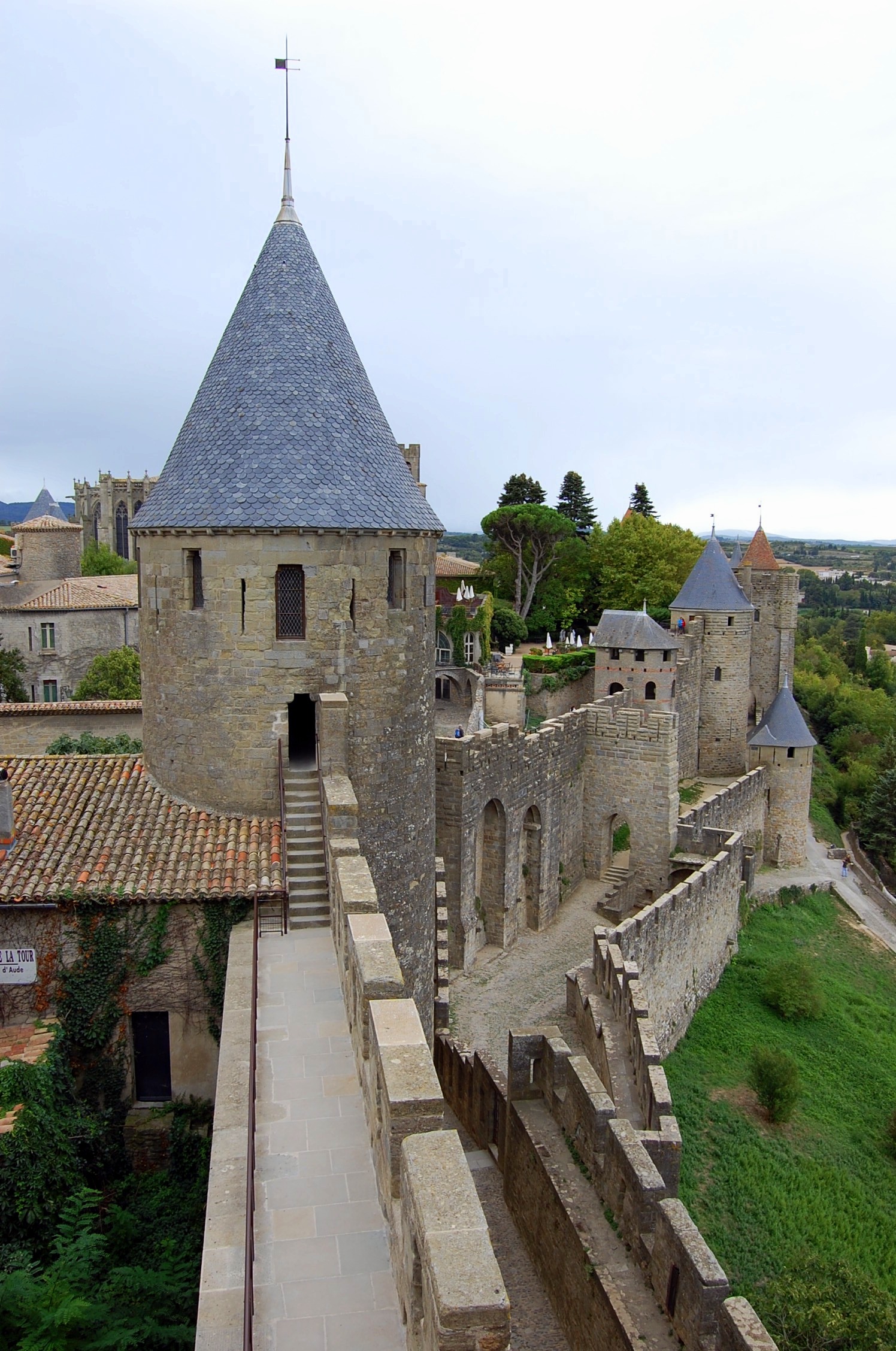
George and Laurene took us for a day trip to the nearby town of Carcasonne, whose name was familiar to me only because of the board game. Little did I know that this medieval walled town figured heavily in the Albigensian Heresy, a chapter in the history of the Roman Catholic Church that I’d vaguely heard of but knew much more about by the end of this trip. Our hosts turned us on to Stephen O’Shea’s excellent popular history The Perfect Heresy: The Revolutionary Life and Death of the Medieval Cathars. (Google “Cathars” or “Albigensian Crusade.” It’s a horrifying story of Christians persecuting other Christians to match any Sunni/Shiite conflict we know about today.)
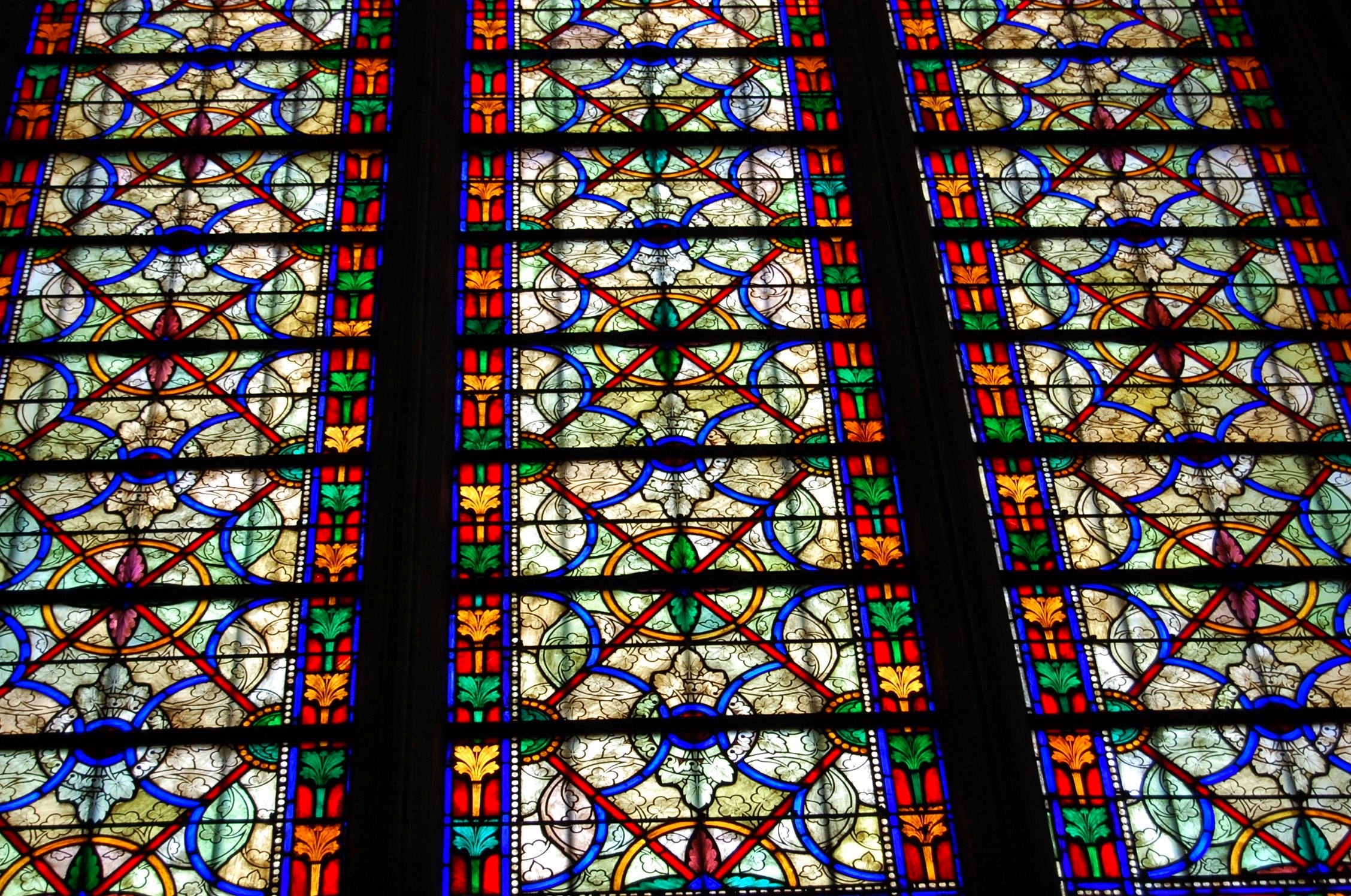
When we walked into the cathedral, an a cappella quartet (the Doros Choir of Moscow) was performing sacred music in close to ideal acoustics:
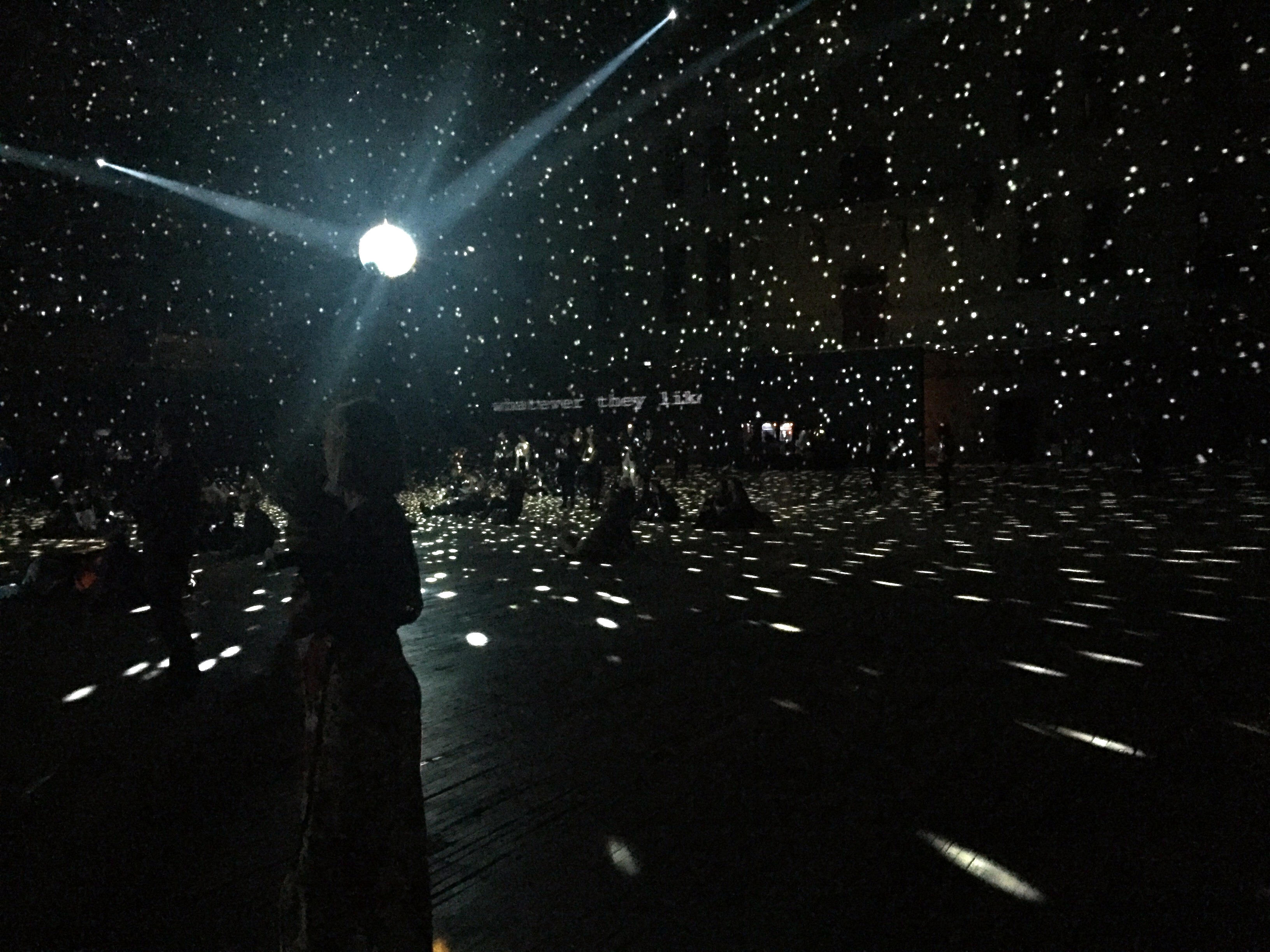
10.3.15 — The size and scale of the Park Avenue Armory makes it unlike any other venue in New York City, and artistic director Alex Poots has mounted one fascinating unconventional production after another there. He commissioned Laurie Anderson to make a piece this season, and the result –Habeas Corpus, which ran October 2-4 – was unlike anything Anderson’s ever done before. There was a performance each evening, at which she told stories and sang songs and introduced guest musicians Merrill Garbus (aka tUnEyArDs), Stewart Hurwood (Lou Reed’s tech guy, who marshals a fleet of guitars feeding back through amps), and Syrian pop singer Omar Souleyman.
But the performance was a minor part of the event. The centerpiece of Habeas Corpus was Anderson’s collaboration with Mohammed El Gharani, a 28-year-old Chadian who was kidnapped from a mosque in Pakistan after 9/11, tortured and interrogated, then flown to Guantanamo where he remained captive for six years until he was finally freed and sent back to Africa. Anderson has been working for many years on multimedia art works about prisons and prisoners, specifically the idea of broadcasting live video of incarcerated prisoners onto oversized plaster casts of their bodies in museum settings. She hasn’t managed to do this in the United States for political reasons, but through the human rights organization Reprieve she made contact with Mohammed el Gharani and devised this remarkable art installation.
In the vast Drill Hall of the Armory stands a huge white chair statue (almost the size of the Lincoln Memorial in Washington DC and constructed by some of the same artisans who worked with Kara Walker on her giant sculpture A Subtlety at the Domino Sugar Factory last year), onto which is projected live video of el Gharani sitting in a studio in West Africa. He sits silently, although when he takes breaks, prerecorded video is shown of him telling stories about his experiences in Guantanamo.
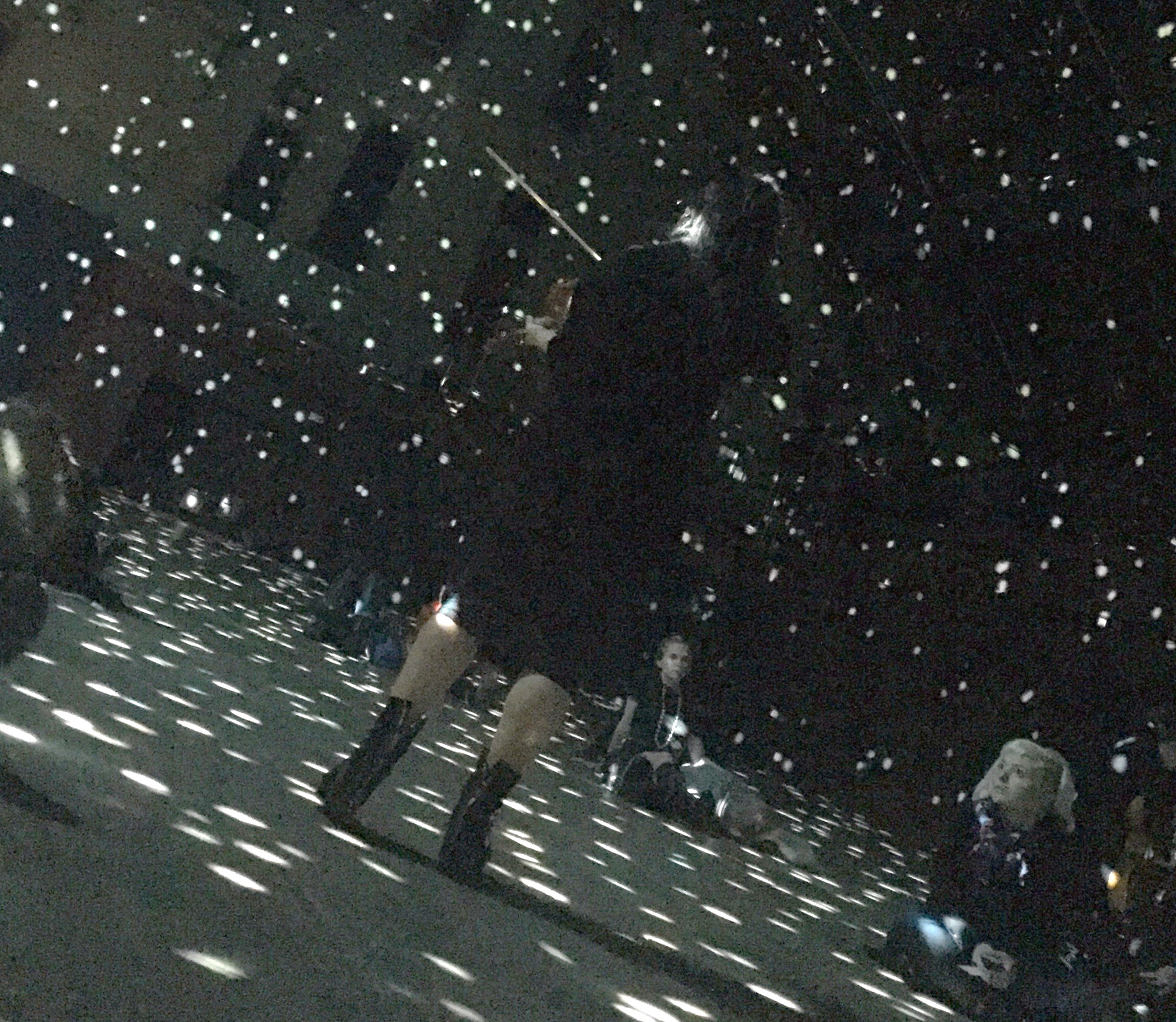
Anderson has activated the space through lighting (the room is completely dark, lit only by the artwork and a giant disco ball slowly revolving) and sound (an eerie immersive sound piece by her late husband Lou Reed sends droning guitar feedback throughout the space, mixed together with a soundscape of surveillance audio, and a handful of musicians wander through serenading audience members with violin and cello improvisations).
It’s a spectacular and haunting meditation on solitary confinement, literal and figurative. In a smaller room at the Armory interviews of el Gharani talking about his experience played all day. As usual, the Armory created a large-format elaborate program with extensive notes on the piece, and Anderson wrote a long essay about making it that was published on The New Yorker’s website. I encourage you to check them out. Habeas Corpus is an eloquent and maddening argument for holding President Obama to his promise to shut down Guantanamo and repatriate detainees who’ve never been charged with any crimes.
10.4.15 – Word of mouth insisted that the show of John Singer Sargent’s portraits of artists and friends at the Metropolitan Museum was a must-see, but I dilly-dallied about checking it out until the very last day. So glad I didn’t miss it! I don’t have a huge file on Sargent, but this show was a powerhouse introduction that included some of his most famous works, including Madame X, a full-length portrait of a beautiful American expatriate socialite named Virginie Amélie Avegno Gautreau in a low-cut gown with bare shoulders that so scandalized Paris when it appeared that Sargent had to move to London afterwards. The exhibition also showcases the painter’s many portraits of now-famous artists, many of whom were his close friends, including Henry James (like Sargent a discreet homosexual).
I was intrigued by this gender-queer writer of whom I’d never heard before:
I also loved that Sargent got to see a gamelan performance, which inspired this painting of a Javanese dancer:
His portrait of Ellen Terry as Lady Macbeth is justly considered one of his masterpieces, thrilling to see in person:
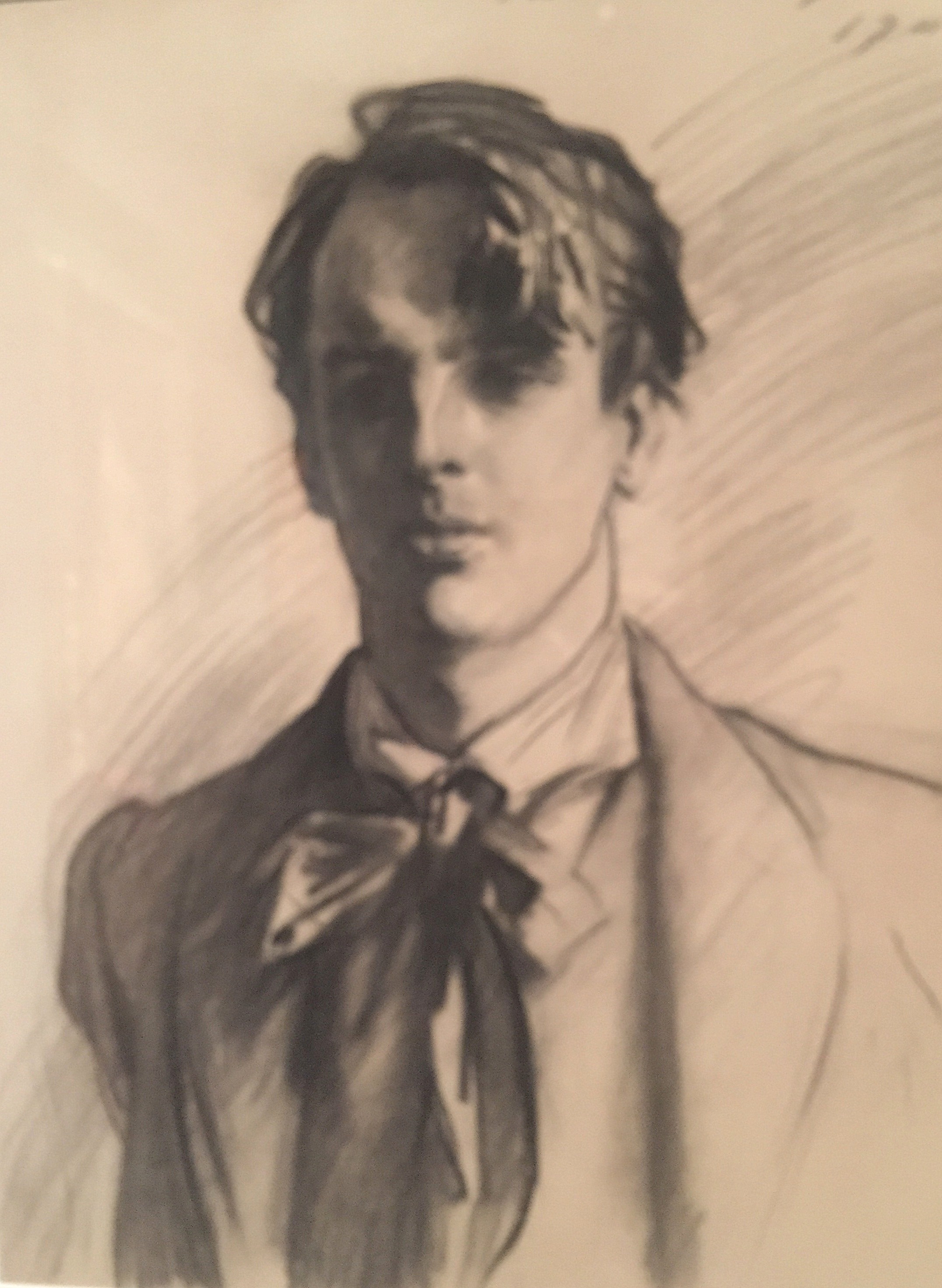
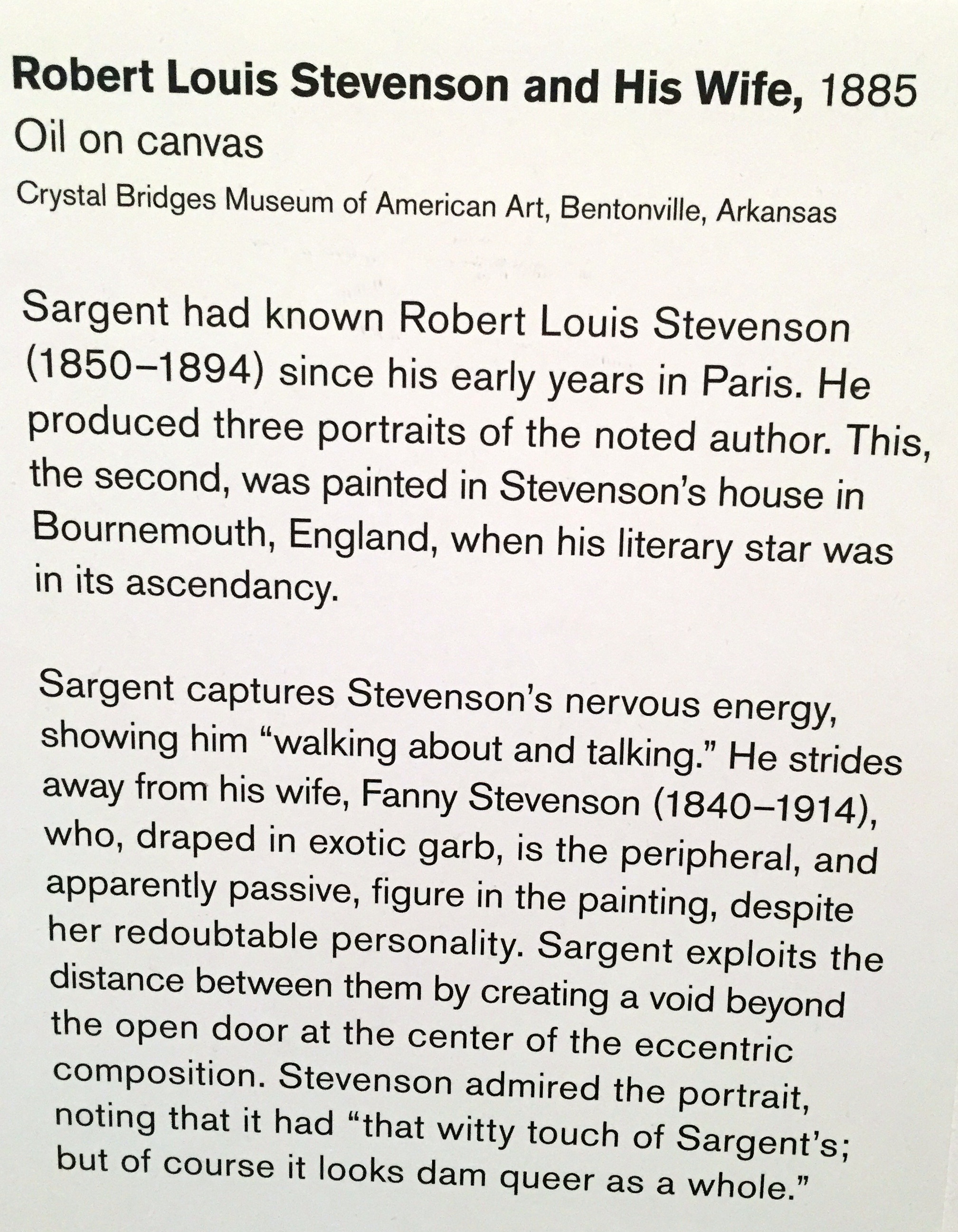
I love his drawing of the young handsome William Butler Years and also his fascinating, strangely off-centered cartoon-like portrait of Robert Louis Stevenson and his exotically dressed wife:
Speaking of queer, Sargent did quite a lot of homoerotic artwork, much of which the Met Museum owns, but very little of it showed up in this show, an exception being this watercolor:
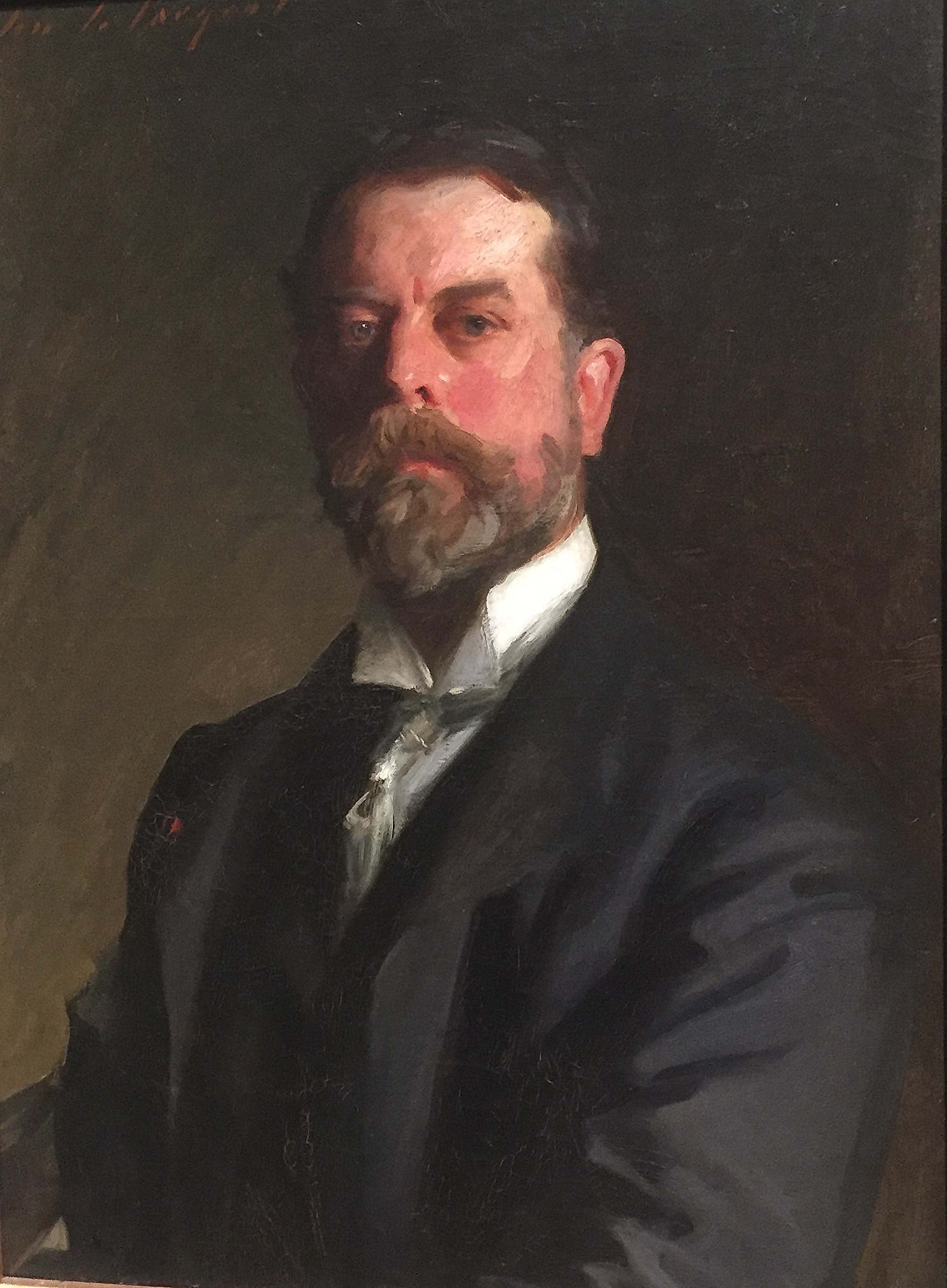
Sargent was very handsome himself (he and many of his distinguished artist friends would fit right in with the bearded gentlemen of Williamsburg/Brooklyn these days), as you can see in this, my favorite of his three self-portraits:
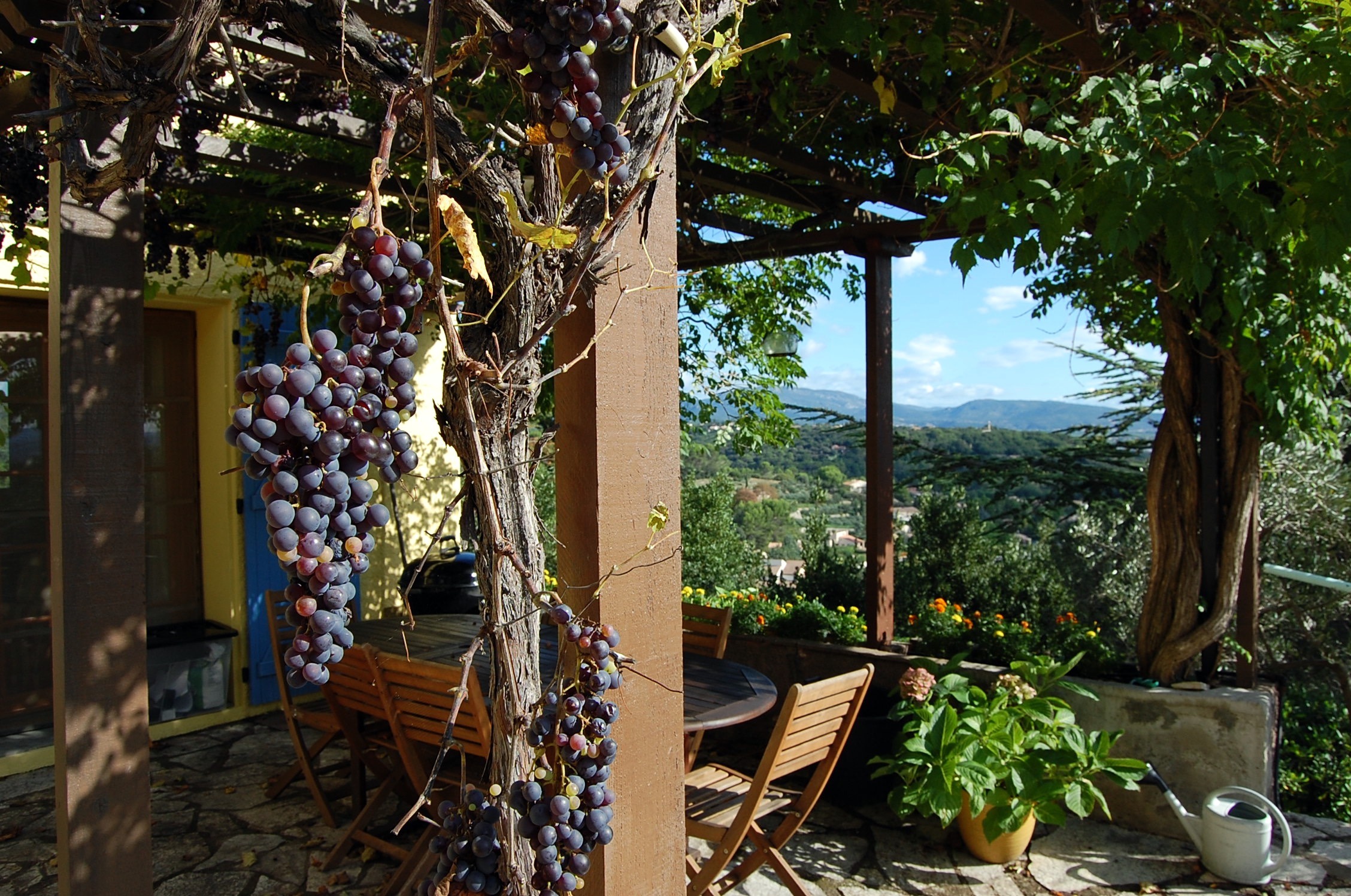
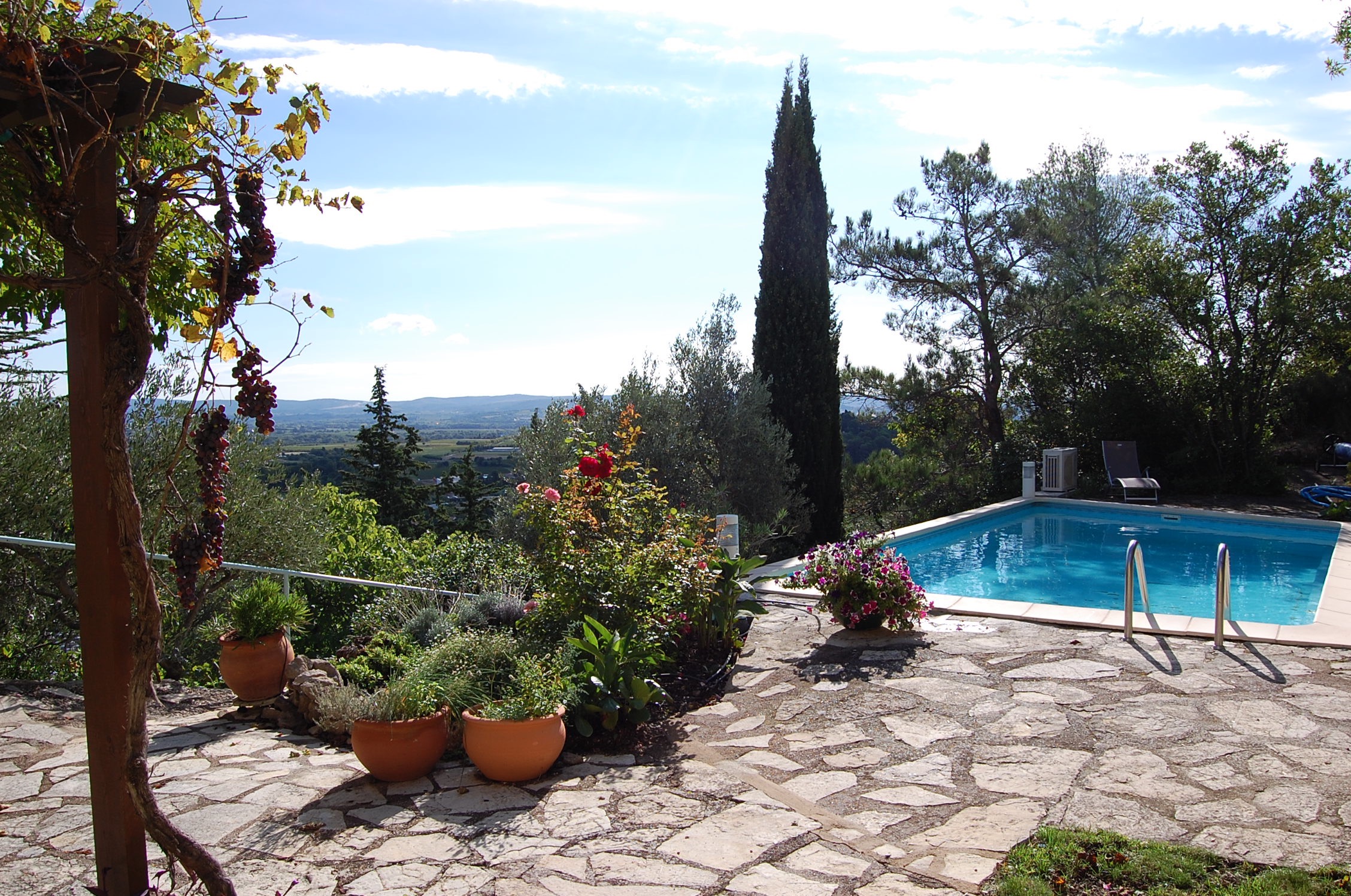
Andy’s Uncle George and Aunt Laurene moved from California to the south of France several years ago, and we had the pleasure recently of visiting their lovely home for several days of excellent wining and dining, laughing and talking, toodling around in the car to a local winery and various historic sites, and a memorable if arduous 35 km bike ride through the vineyards of Languedoc.
In Princeton a few years ago I was lying in bed alone on a Monday night reading Leo Bersani’s “Is the Rectum a Grave?” Outside was the deep dark New Jersey night. It was winter. I gazed around my sublet bedroom; I looked at the title of the book. Then I stood up and went to the full-length mirror and peered into it. I thought: You are one sad man. And I laughed so much at that thought that I began to cry.
delicious Vietnamese feast with old friends (Hung and Leng) and new (Kip and Anu, above)
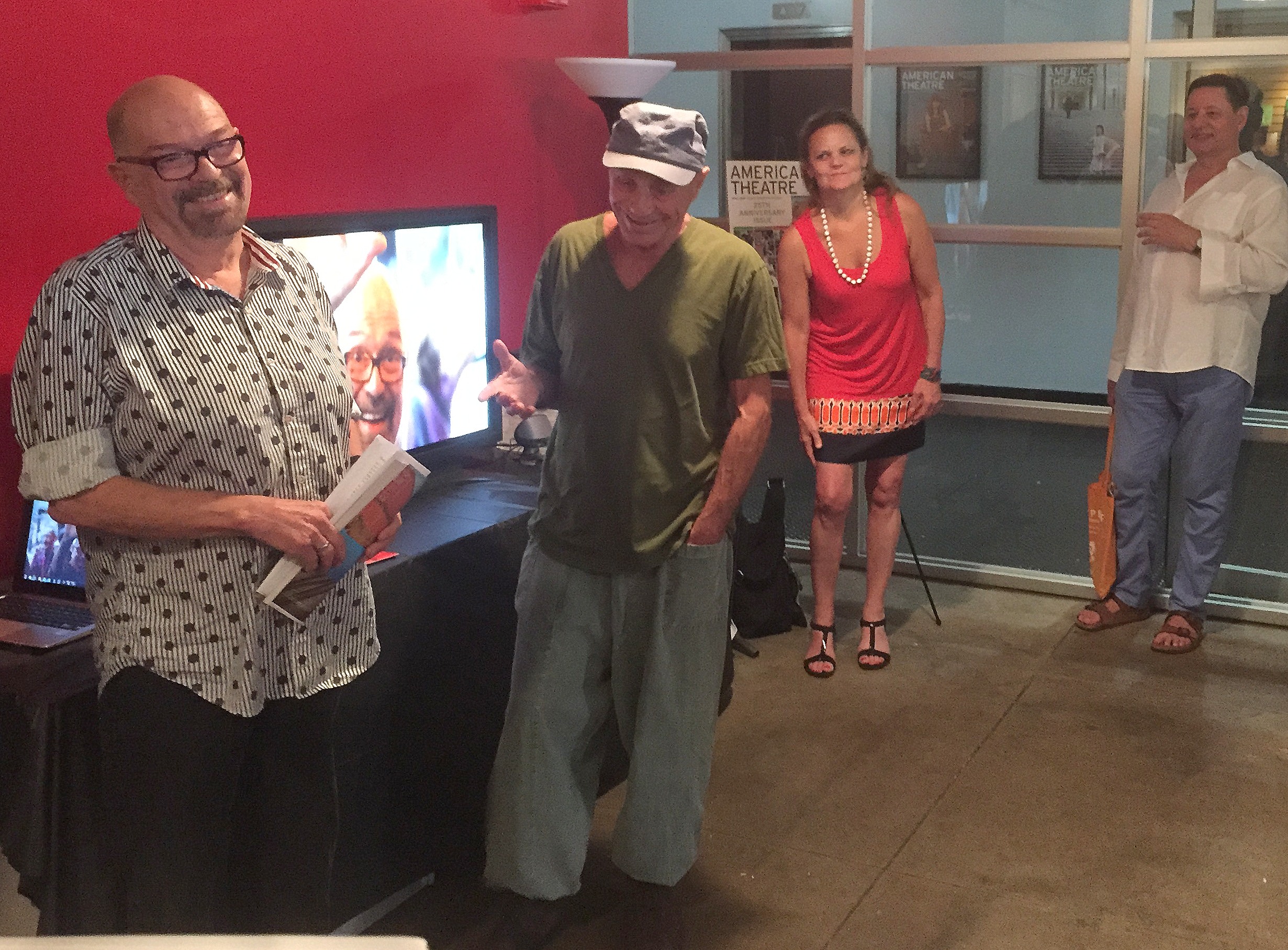
Jim O’Quinn, who has edited American Theatre magazine for its entire existence, gets celebrated on his retirement by Lee Breuer of Mabou Mines, with Teresa Eyring and Greg Mehrten looking on




















 another eye opens