Quote of the day: UGLY TRUTHS

August 20, 2016

UGLY TRUTHS

As a longtime resident of Montgomery, [Alabama, Bryan Stevenson] often thinks about Rosa Parks, whose refusal to sit at the back of a local bus in 1955 set off the modern era of the civil-rights movement. “We have reduced her activism to this celebratory tale—‘It was all great,’ ” he told me. “Here’s what most people don’t know. After the boycott was declared officially over, and black people were sitting on the buses, there was unbelievable violence. There were a dozen people who were shot standing waiting on buses. We had white people going around Montgomery shooting black people who dared to get on the buses.” For a time after the boycott, the city shut down bus service altogether. And then, to make way for the I-85 highway, the local authorities, led by a state transportation commissioner who was also a member of the Ku Klux Klan, bulldozed the city’s major middle-class black neighborhood.

Stevenson [below] believes that too little attention has been paid to the hostility of whites to the civil-rights movement. “Where did all of those people go?” he said. “They had power in 1965. They voted against the Voting Rights Act, they voted against the Civil Rights Act, they were still here in 1970 and 1975 and 1980. And there was never a time when people said, ‘Oh, you know that thing about segregation forever? Oh, we were wrong. We made a mistake. That was not good.’ They never said that. And it just shifted. So they stopped saying ‘Segregation forever,’ and they said, ‘Lock them up and throw away the key.’ ”

–Jeffrey Toobin, “The Legacy of Lynching, On Death Row,” The New Yorker
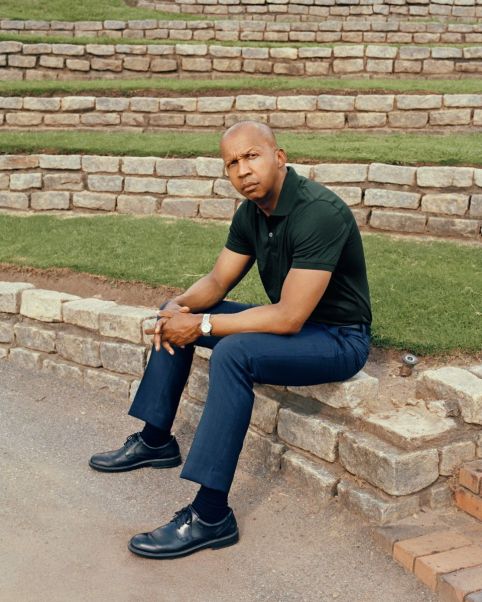
bryan stevenson


Photo diary: Salt Lake City stories

August 10, 2016

(click photos twice to enlarge)

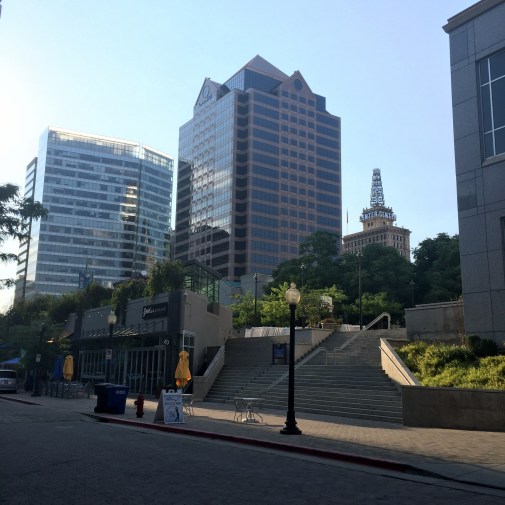
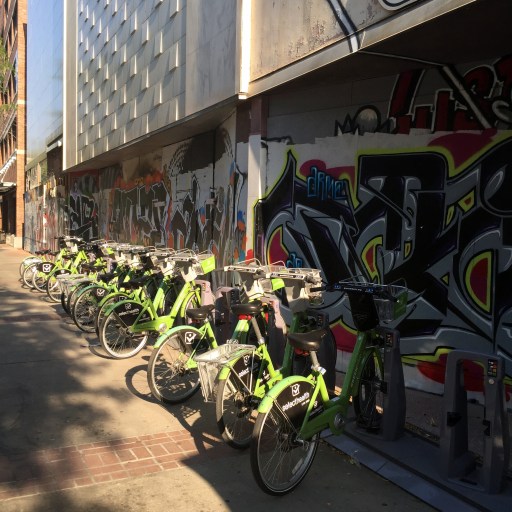
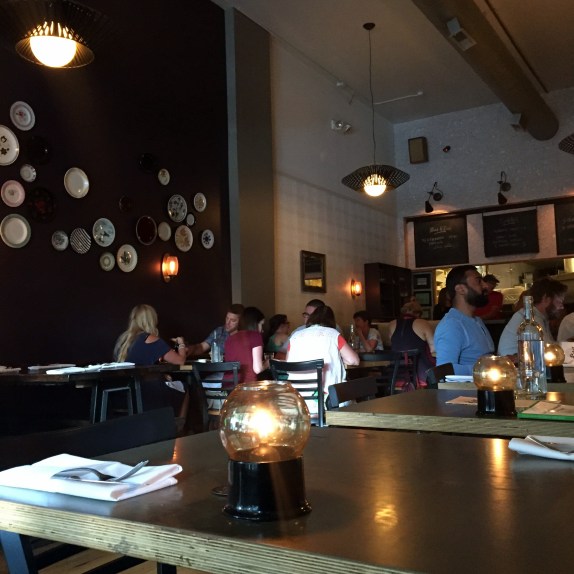
Salt Lake City has gotten considerably more hip and groovy since I lived  in Utah in the mid-1960s, at least in the downtown neighborhood where I stayed for two nights. Bike Share. Yummy little restaurants with multicultural cuisine and good wine. People on the street who aren’t all white Mormons.

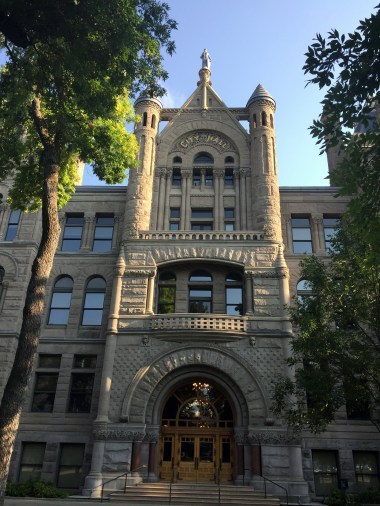
7-31 SLC downtown7-31 salt lake city bikeshare7-31 eva's7-31 ancestry HQ7-31 SLC city hall

Here are some things that I saw in a walk around the neighborhood.

A “Black Lives Matter” sign nailed to a tree.

An old man sitting in a wheelchair with eyes closed in front of a post-acute facility, one hand in a bandage, both arms covered with sores (skin cancer?), his wife sitting on the porch looking tired and anxious. Waiting for a ride home, I guess.

In the middle of a quiet residential block, police action. Two cop cars (one with flashing lights), three cops, two white men, one white woman. They’re standing around a spilled shopping bag of stuff on the sidewalk next to a small blue zipper pouch. One cop politely asks me to go around. I hear him say, as I pass, “We still have to figure out how much is in there.” Drugs? Cash? A white woman sitting on the front passenger side of one cop car.

Down the block, The Dollar Store. Literally everything you would find in a Duane Reade in New York, no more than $1.00. Some items 2 for $1.00.  A black man in a wheelchair can scarcely believe it. He’s loading up his shopping basket with canned soup.

Delicious meal at Cafe Niche: warm quinoa salad with salmon and two glasses of Montepulciano d’Abruzzo. My young bearded server, Kyle, says, “You ordered exactly the meal I would have ordered for myself. I’d probably like the book you’re reading, too.” I say, “You probably would.” Claudia Rankine’s Citizen.

At the next table, a handsome beefy bearded guy and his date, a South Asian woman with fingernails painted light blue, both of them around 30 She says, “I’m guessing all your previous girlfriends were Asian.” He indicates that’s true and says something I don’t catch. She says, “Why do guys always say that?” A relationship that’s not going anywhere.

On my way to the restaurant I pass an African family — mom, dad, two boys around 5 or 6 or 7 years old — on their front lawn, the younger boy posing for pictures with somewhat campy gestures. They all see me approaching, I’m smiling broadly, but they still have a guarded look — white man coming, what’s he going to do/say/think? I just keep smiling, exchange hellos with the mom (very dark-skinned, maybe Senegalese or Somali, gap-toothed like me) and keep walking.

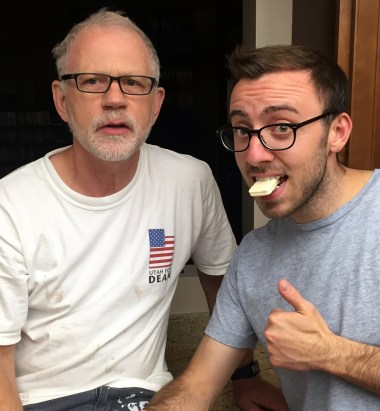
On social media, I connect with a friendly young guy named Peter, who turns out to be the roommate of the one person I know who lives in Salt Lake City, my old friend Duff.  And they live half a block away from my hotel. Teeny-tiny world!

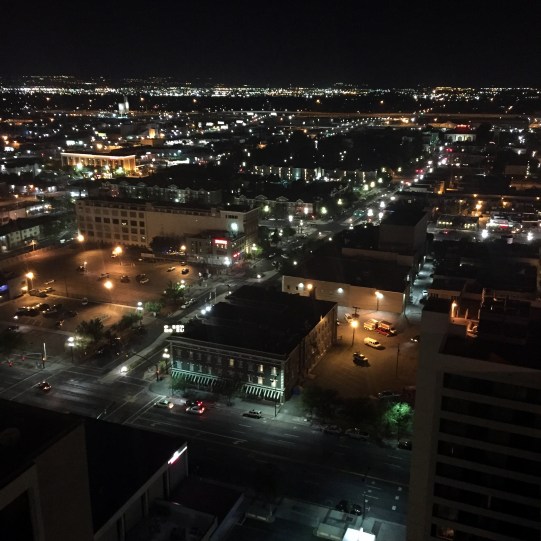
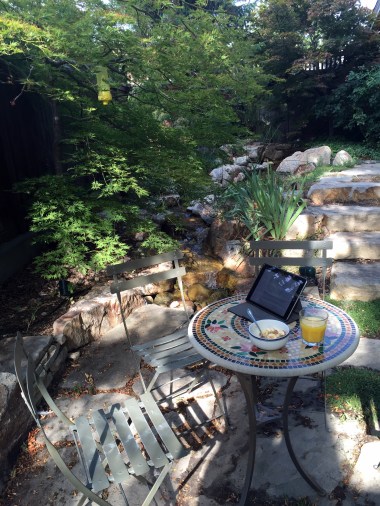
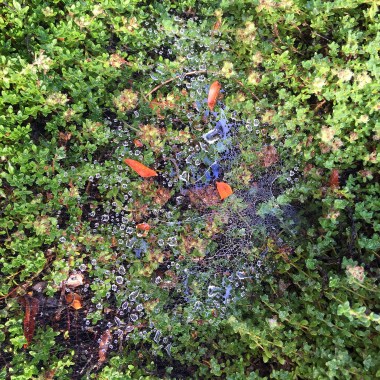
7-31 duff and peter7-31 slc by night8-4 breakfast garden UTL8-4 spiderweb dew


Quote of the day: ART

August 8, 2016

ART

The purpose of art is to lay bare the questions hidden by the answers.

–James Baldwin

james baldwin


Photo diary: Utah 8/1/16

August 7, 2016

(click photos twice to enlarge)

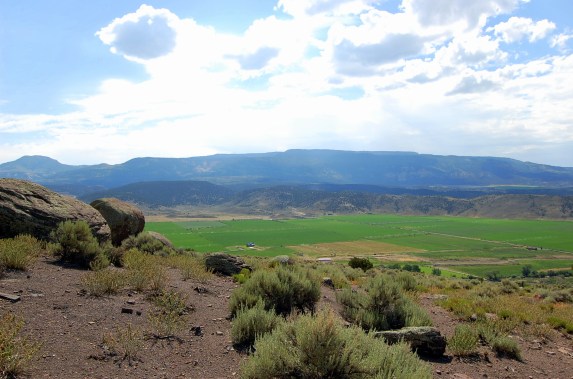
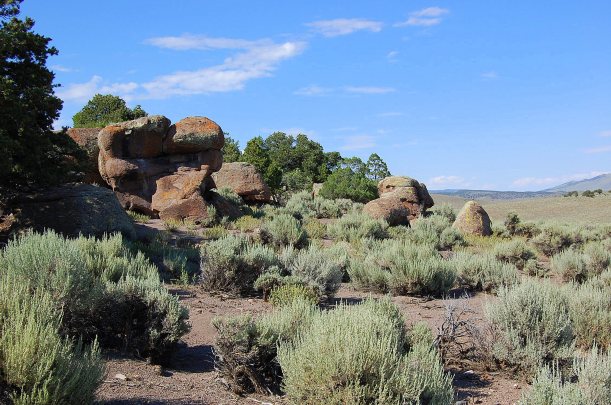
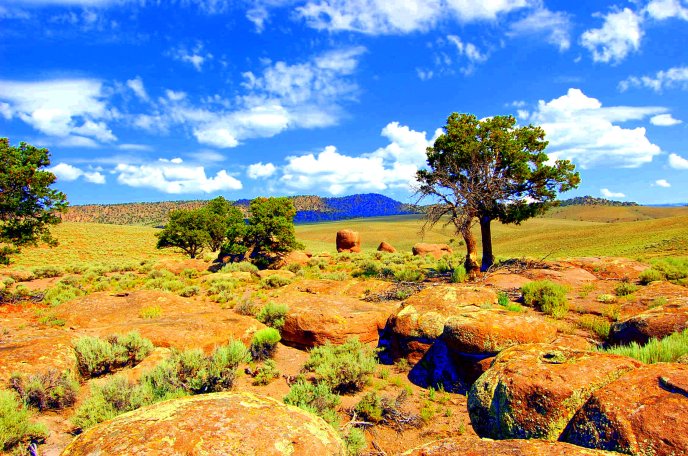
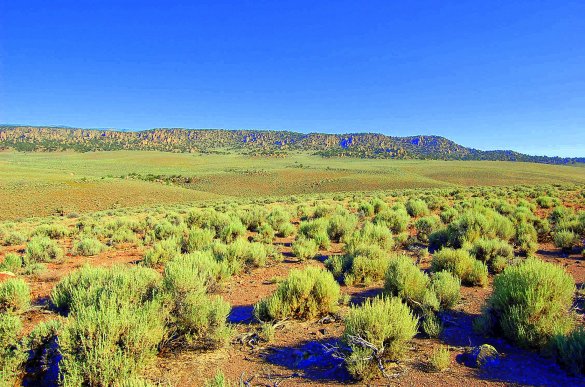
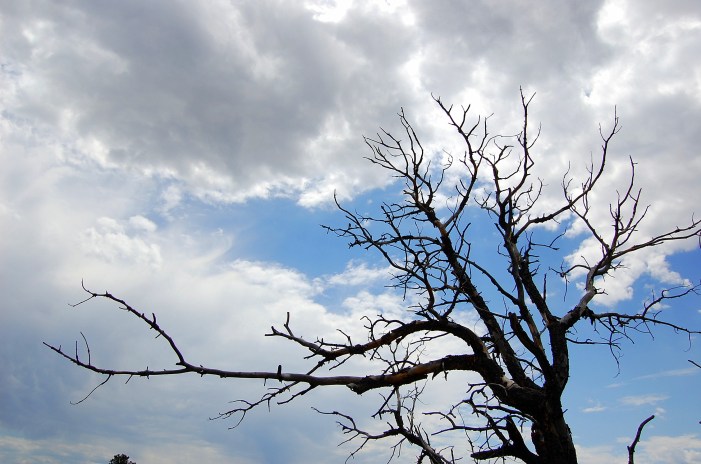
August 1 is a special date for me. I began my massage practice on this day in 1993. Most of the last 20 years, I have been on some kind of spiritual retreat or workshop on August 1. This year I had the opportunity to spend a few days in the high desert of Utah, four hours south of Salt Lake City. The terrain was stark, beautiful, wide open. I was surrounded by trees, rocks, sagebrush, and sky, visited by hummingbirds, ground squirrels, jackrabbits, cottontails, lizards, bats, and one shy snake.

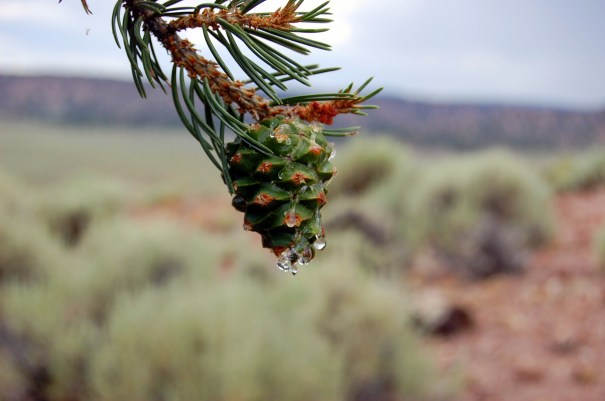
8-2 big sky8-2 sagebrush and cacti8-1 stump sculpture8-2 meditation row8-2 pine sap8-2 medicine tree8-2 high desert 28-2 high desert8-2 gnarly tree closeup8-2 dead tree silhouette


Good Stuff Online: interview with Ryan Bahr, amputee camp counselor

August 7, 2016

I was surprised, delighted, and moved to learn that there are summer camps for kids who are amputees (or have some other kind of “limb difference”). I came across this regular column by Jordan Floyd called “5 Spot: Random Questions, Surprising Answers” in the Salt Lake City Weekly, Utah’s independent newspaper, during a recent whistle-stop in that city. The column asked five questions of Ryan Bahr (below), a 21-year-old medical student who recently spent his summer as a counselor at the Amputee Coalition’s Paddy Rossbach Youth Camp in Ohio, which is designed, as the column says:

to help young amputees feel like any kid should: normal and accepted. The decision to help children who face similar struggles as Bahr seems to be an easy one for him. Perhaps, just as easy as the decision to amputate his right foot, which he made by simply saying, “Get rid of it.”

You can read the whole interview online here.

ryan bahr