Photo diary: arrivo in Italia (click on photo to enlarge)

June 22, 2013
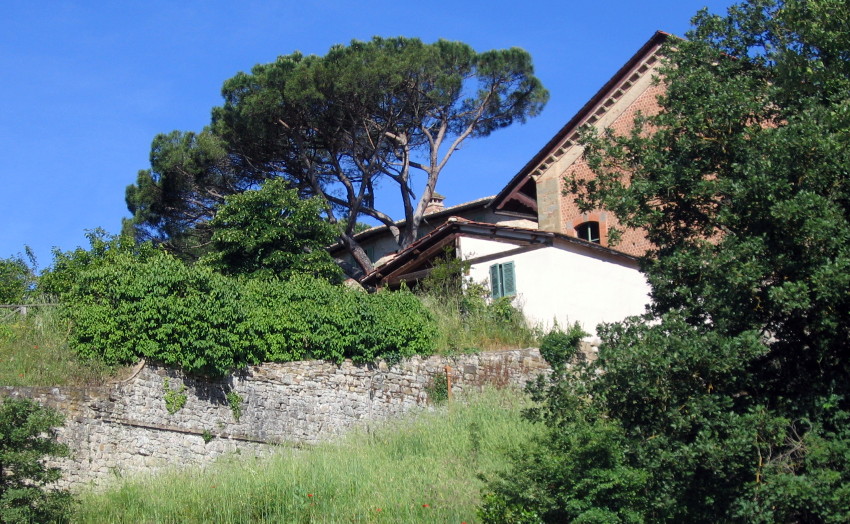
I spent a week in Italy conducting a retreat for gay male couples at Terzo di Danciano, a rustic villa on the border of Tuscany and Umbria.

I spent a week in Italy conducting a retreat for gay male couples at Terzo di Danciano, a rustic villa on the border of Tuscany and Umbria.

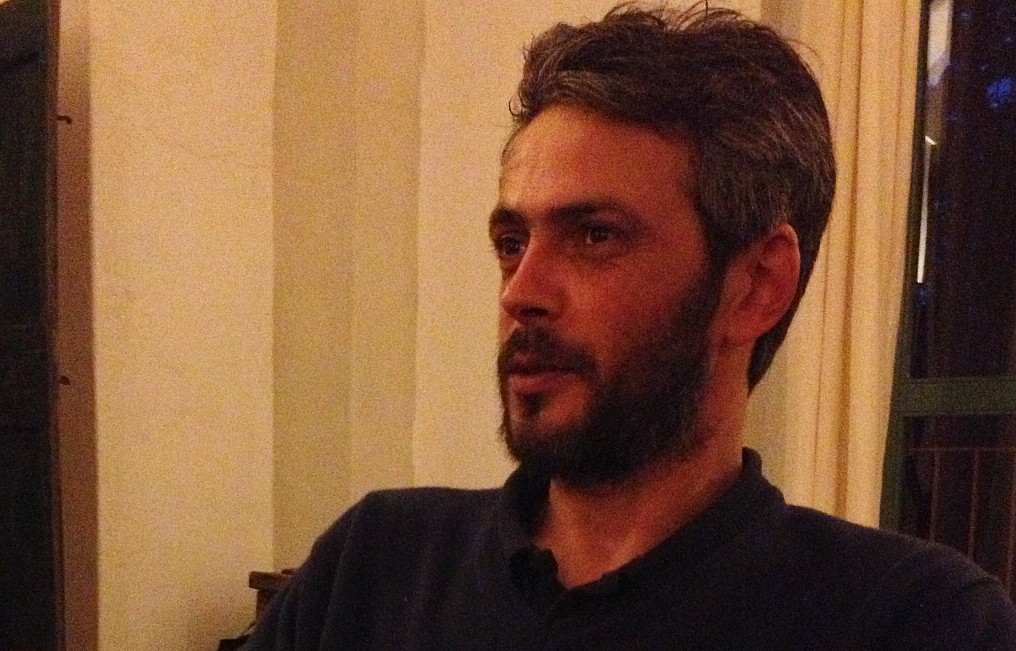
The friendly and handsome proprietor, Luca Francia, bought this former farmhouse and renovated it as a center for seminars and special events.

The friendly and handsome proprietor, Luca Francia, bought this former farmhouse and renovated it as a center for seminars and special events.


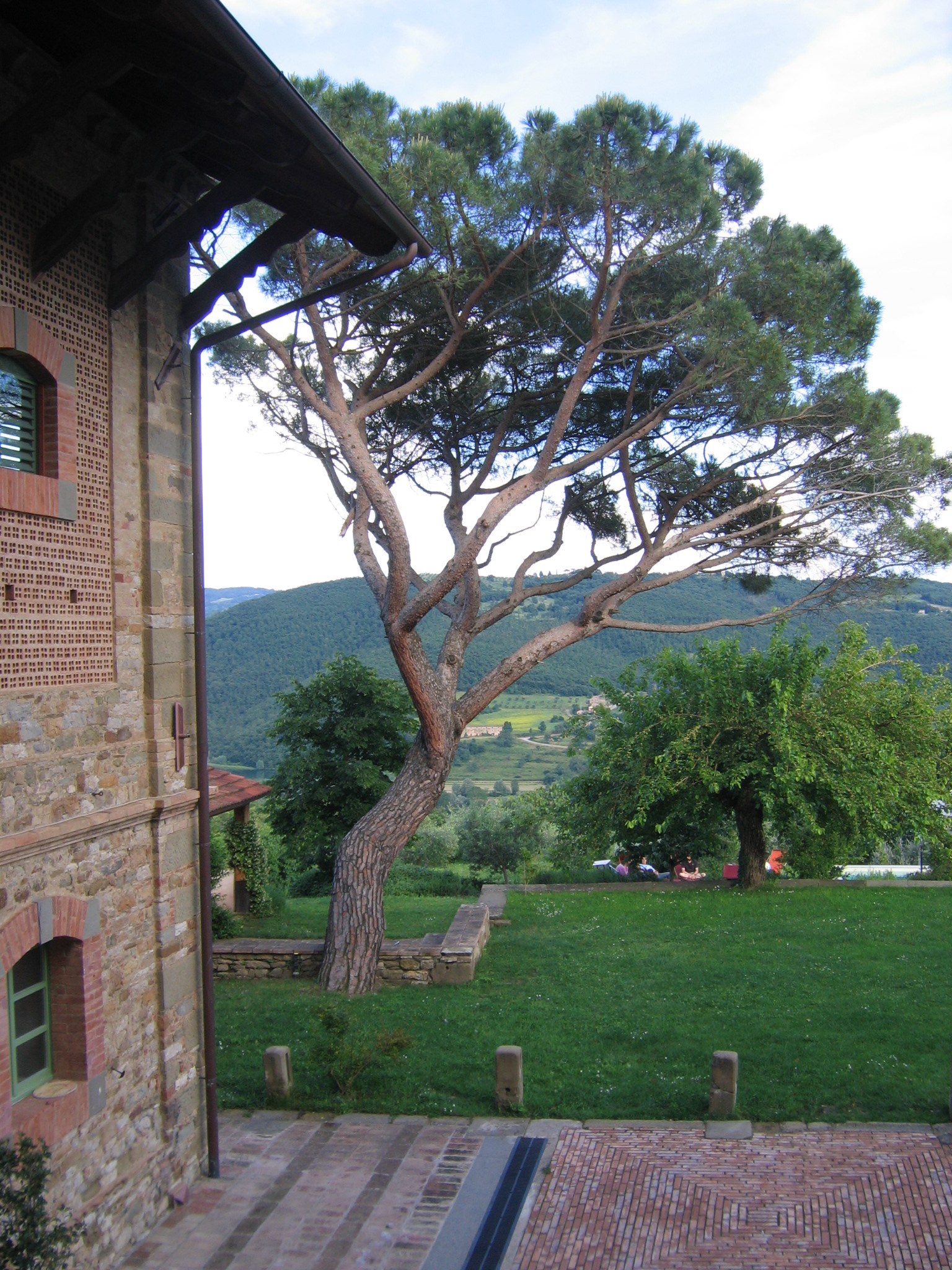
I arrived as another program was finishing up -- this is the view from my room.

I arrived as another program was finishing up — this is the view from my room.


I stayed in the room sometimes occupied by Luca's daughter, Pepita.

I stayed in the room sometimes occupied by Luca’s daughter, Pepita.

Her bathroom door is unique in the house -- the front panel is a vision of heaven...

Her bathroom door is unique in the house — the front panel is a vision of heaven…

...the inside panel a vision of hell and.or San Gimignano.

…the inside panel a vision of hell and/or San Gimignano.

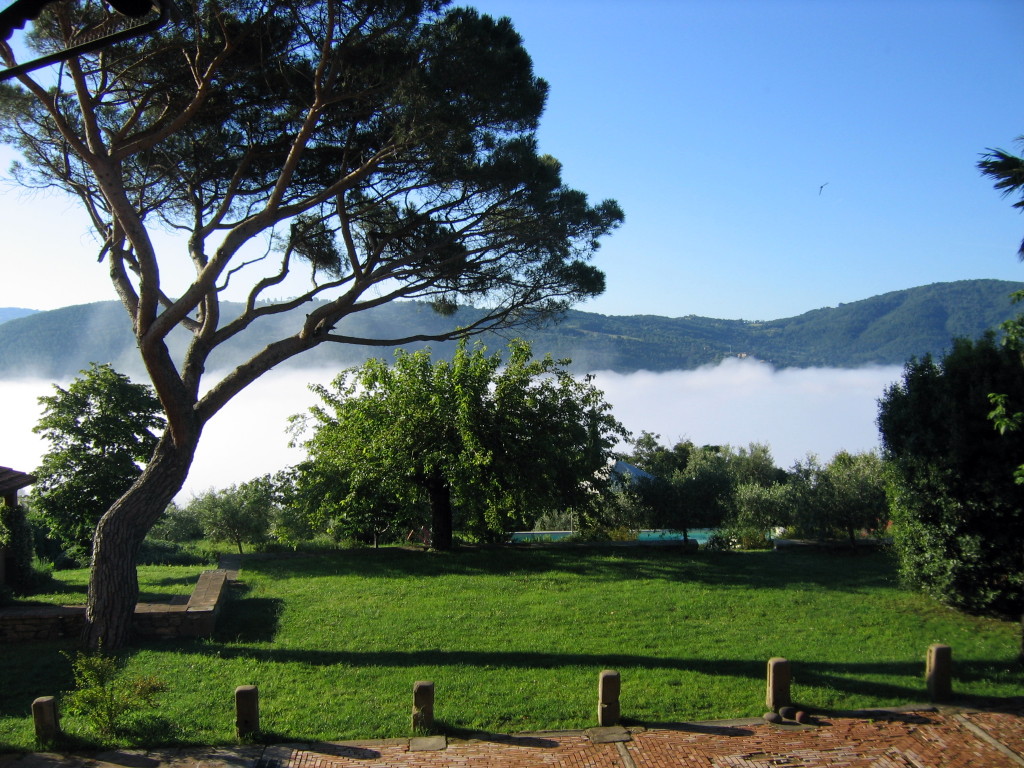
I woke to this view of morning fog.

I woke to this view of morning fog.

When it burned off, I was able to confirm that, yes, I had arrived in that pocket of paradise known as Tuscany.

When it burned off, I was able to confirm that, yes, I had arrived in that pocket of paradise known as Tuscany.


Quote of the day: QUEEN

June 20, 2013

QUEEN

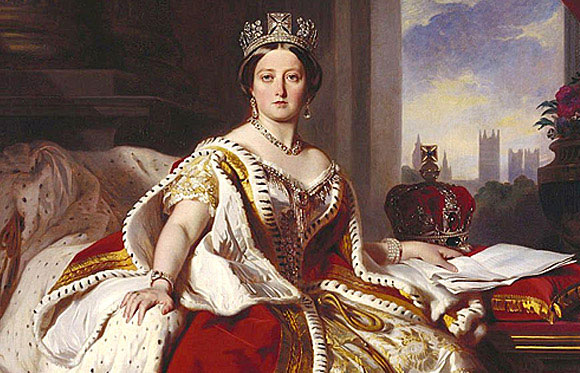
Eighteen-year-old Alexandrina Victoria became Queen of England on June 20, 1837. “Drina,” as she was known to her family, had a fairly quiet childhood. She kept a diary, so we know a lot about her private life. She was a lively and sometimes mischievous child, and she was well educated, but her mother was overprotective and kept her isolated at Kensington Palace in London.

When she was born, she was fifth in line for the throne behind her uncles and her father, and no one expected her to become a monarch. But one by one, her uncles and their heirs died, and by 1830, she was heiress presumptive, next in line for the crown. The dawn hours of June 20, 1837, brought the news her uncle King William the Fourth died, and she was now a queen. Her first demand was that she be given a room of her own and stop having to share with her mother.

She remains Britain’s longest-ruling monarch, having reigned for 63 years, seven months, and two days.

— The Writer’s Almanac

QVcoronation


Performance diary: 3 KINDS OF EXILE

June 6, 2013

3 kinds of exile
June 2 –
You never know what you’re going to get with a new John Guare play. It’s never something generic. His brain is a repository of amazing stories, so you can count on some fantastic storytelling. 3 Kinds of Exile, his new show at Atlantic Theater Company, consists of three vignettes about European artists who left their homelands, each told in a different theatrical style. “Karel” is a monologue, performed by Martin Moran, who’s famous for his own solo shows (The Tricky Part, All the Rage), that asks “How much of your life have you made up?” It is a story within a story (about Karel Reisz, the Czech-born film director who staged Guare’s play Gardenia for Manhattan Theatre Club), with an O. Henry twist at the end. “Elzbieta Erased” is a duet performed by Guare himself with Omar Sangare, an actor who played young Paul in the Polish production of Six Degrees of Separation – together they tell the intricate, fabulous, sad story of Elzbieta Czyzewska, the actress famous in Poland who left when she married American journalist David Halberstam and almost never acted again. (In Ivo van Hove’s production of Hedda Gabler starring Elizabeth Marvel at New York Theater Workshop, she played the maid, sitting onstage smoking furiously the whole time and saying virtually nothing.)  “Funiage” uses nine actors to give a condensed biography of Witold Gombrowicz, a critically respected Polish writer (played by David Pittu) who spent most of his career living and working in Argentina. It’s a nutty chunk of theater, well-staged by Neil Pepe and worth seeing.


Quote of the day: READING

June 2, 2013

READING

What were your favorite books as a child?

I know that as a working writer I should answer this question in such a way as to make me seem intelligent; maybe Twain or Dickens, even Hesse or Conrad. I should say that I read intelligent books far beyond my years. This I believe would give intelligent readers the confidence to go out and lay down hard cash for my newest, and the one after that.

But the truth is that the most beloved and the most formative books of my childhood were comic books, specifically Marvel Comics. “Fantastic Four” and “Spider-Man,” “The Mighty Thor” and “The Invincible Iron Man”; later came “Daredevil” and many others. These combinations of art and writing presented to me the complexities of character and the pure joy of imagining adventure. They taught me about writing dialect and how a monster can also be a hero. They lauded science and fostered the understanding that the world was more complex than any one mind, or indeed the history of all human minds, could comprehend.

— Walter Mosley, “By the Book,”  New York Times Book Review

walter mosley


Quote of the day: LIBERACE

May 30, 2013

LIBERACE

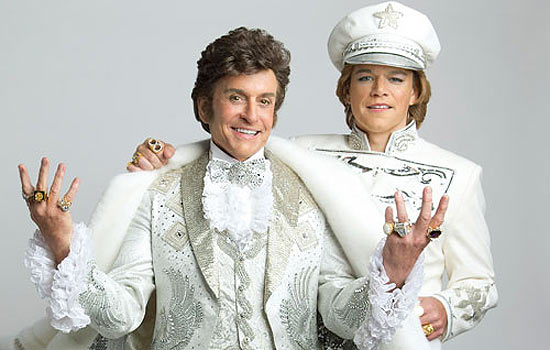
There’s been a long, headache-inducing debate about the question of straight male actors “playing gay”—whether it’ll ruin careers, whether audiences will find the actor hot, and on and on. It’s a nonsense issue that social progress has begun to render irrelevant, and Michael Douglas’s spectacular performance as Liberace demonstrates a rarely discussed benefit. Freed from his trademark macho sulk, Douglas gains all sorts of unexpected charisma—he’s genuinely funny and surprisingly sexy, even with his toupee off, looking like an unshelled tortoise. His eyes lit with amused intelligence, Douglas’s Liberace is your classic “bossy bottom,” a gleeful narcissist who treats his hangers-on as a mirror (sometimes literally: he pressures Scott [Thorson, his boyfriend] to get plastic surgery to look like a younger version of him). And yet the man’s a charmer. He’s playful, even when he’s selling the world a line. In bed, the two have loving, affectionate exchanges, candid about their histories. Liberace jokes with Scott about the rumors—ones he encourages, of course—that he’s engaged to the Olympic champion Sonja Henie. “As if I would marry an ice skater,” he scoffs. “Please. I mean, those thighs!”

behind-the-candelabra-hbo

The movie is frank, and often very funny, about Liberace’s sexual appetites, which he pursued without seeing any contradiction between them and his devout Catholicism. He has a penis implant, likes porn, and late in their relationship he pressures Scott to take risks that seem crazy for a closeted star, like sneaking into a sex store in ankle-length matching furs. When the camera captures Liberace peeking over a booth with a grin, the movie doesn’t pathologize his good time—from one perspective, he’s a sex addict; from another, a madcap adventurer. During an argument about what Scott will and won’t do in bed, Liberace does a hilariously profane imitation of the couple as a gay Ricky and Lucy. “Why am I the Lucy?” Scott complains. “Because I’m the bandleader,” Liberace explains, with impeccable logic. “With the night-club act.

— Emily Nussbaum, reviewing Steven Soderbergh’s Behind the Candelabra for The New Yorker