Archive for the 'Photo diary' Category

Photo diary/Culture Vulture: Whitney Biennial

March 13, 2014

(click photos to enlarge)

My friend Adam was visiting from Portland and wanted to check out the Whitney Biennial, so we converged there with Vincent — the three of us hadn’t seen each other since we were in Peru together last fall. Each of the three floors of the exhibition was organized by a different curator, each of whom enlisted various artists to sub-curate sections, which was a clever form of collaboration and good way of balancing aesthetic, thematic, and academic perspectives.

The first piece that caught my eye was a collection of backlit photos by Gary Indiana. I was surprised and amused that both Adam and Vincent thought this was the same artist famous for the LOVE design seen everywhere (including the much-photographed public sculpture around the corner from my house, at 55th Street and Sixth Avenue — that would be Robert Indiana) rather than the prolific, dyspeptic novelist, commentator, and former Village Voice art critic.
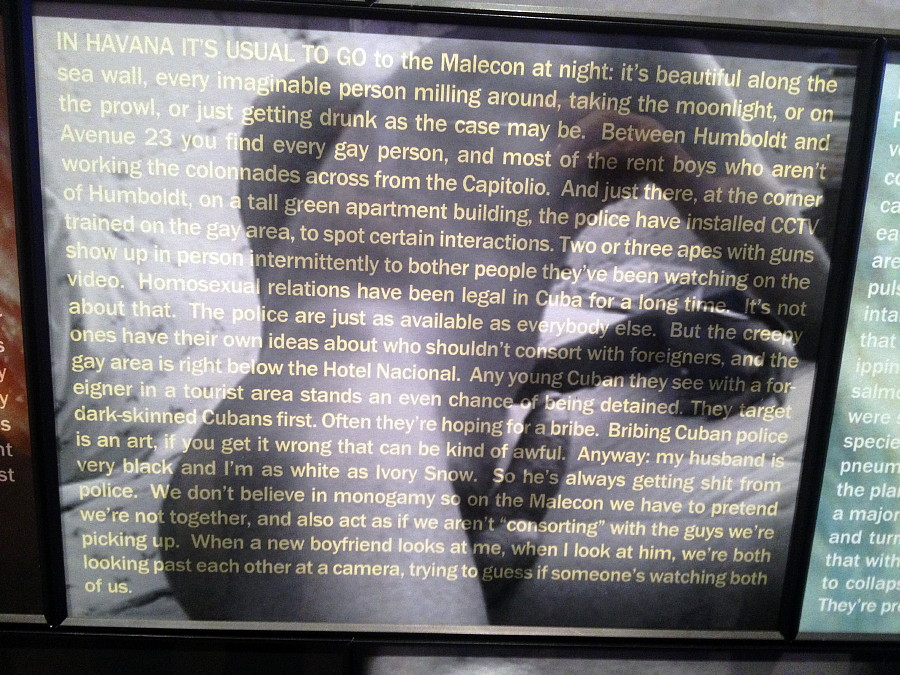
3-8 gary indiana pieceI’m not any kind of savvy connoisseur of contemporary painting, so the preponderance of work on the 4th floor (many by female artists, many in vaguely Abstract Expressionist mode) made little impression on me. The work on the 3rd floor, chosen by Stuart Comer (primary curator of media and performance at MOMA), was much more to my taste. My very favorite piece in the Biennial was Jacolby Satterwhite‘s dazzling HD video/animation Reifying Desire 6:
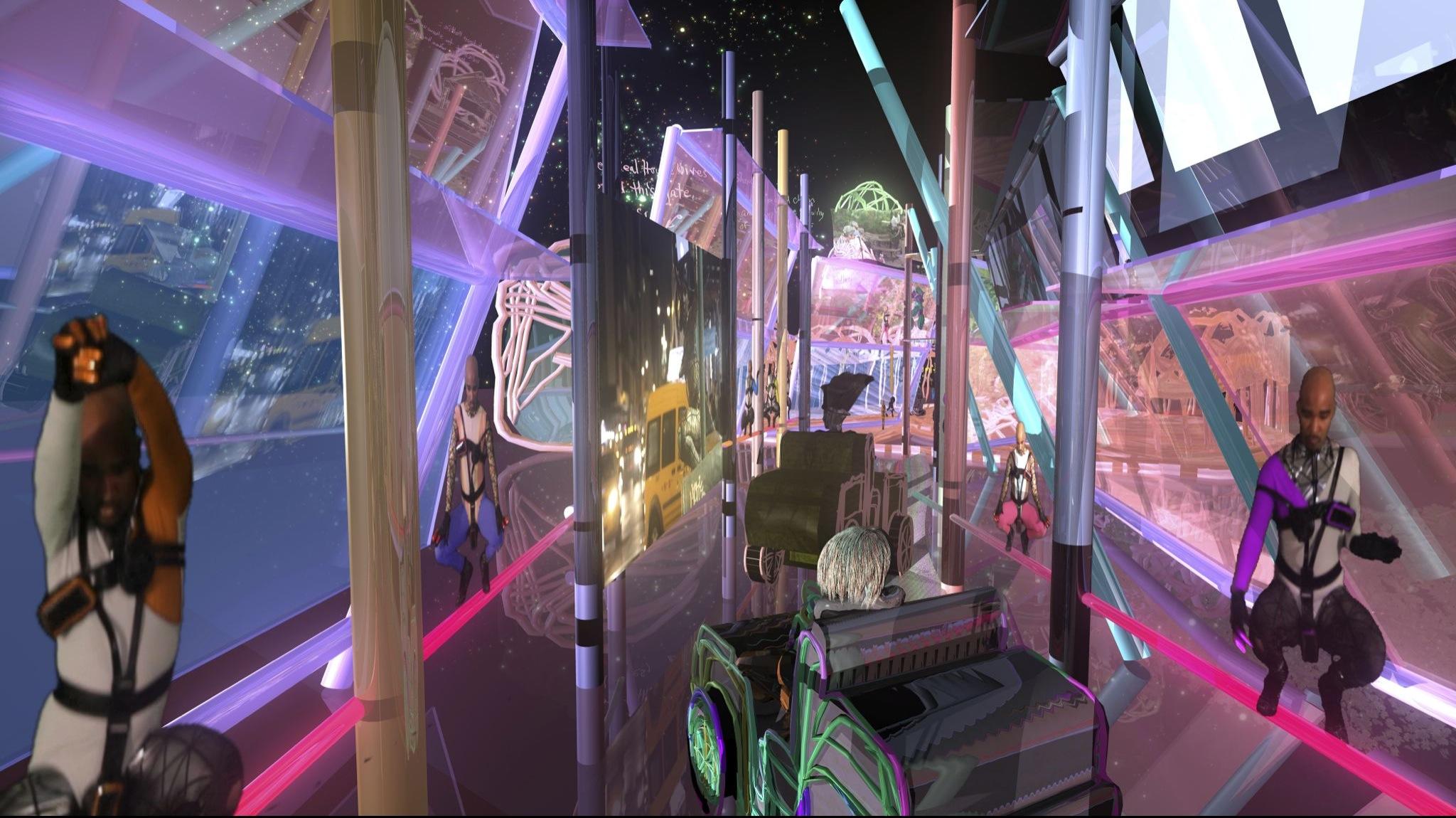
satterwhite video pic satterwhite lactate3-8 satterwhite wall plaque
That piece hovers right outside a room constructed by Bjarne Melgaard that another friend described “Peewee Hermanesque,” an adult funhouse full of oversized stuffed animals with phallic snouts, sofas to lounge on, and mannequins representing transgender models in transition. (Transformation is an ongoing underlying theme of this Biennial, the last to take place at the Whitney’s famous Breuer building on Madison Avenue before the museum relocates to a new building in the meatpacking district.) A beautiful, arty, explicit film of two guys having sex plays on a flat-screen monitor while news footage of public brawls flash on the walls of the room.
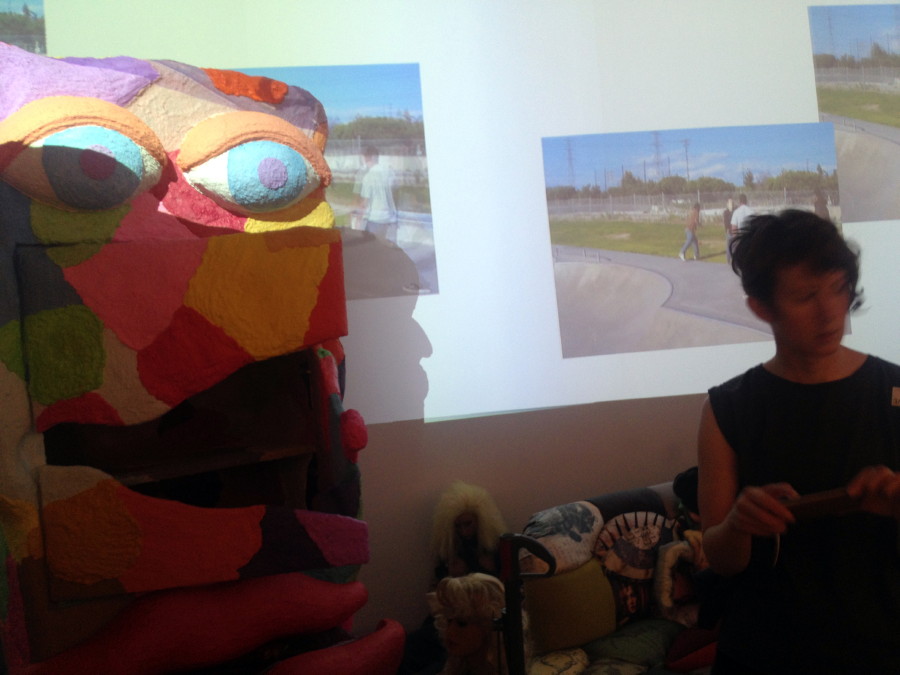
3-8 melgaard 1 3-8 melgaard 2 3-8 melgaard 3 3-8 melgaard 43-8 melgaard wall
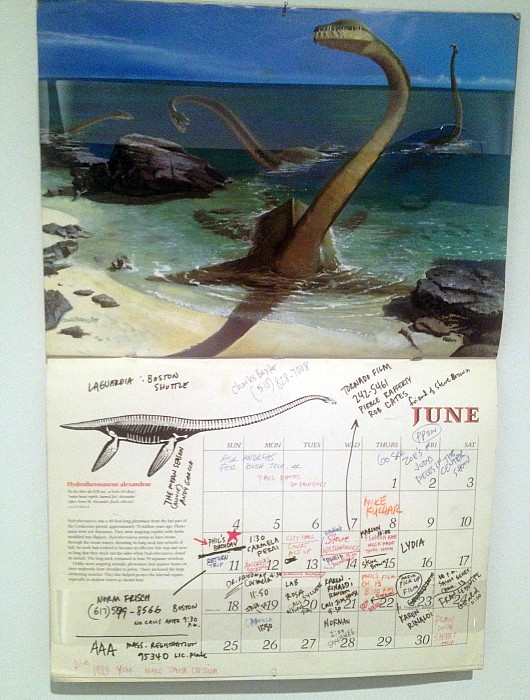
Another theme that Peter Schjeldahl dwells on in his review in this week’s New Yorker has to do with commemorating dead artists, both those who significantly influenced their peers and those who died in semi-obscurity, many though not all of them from the generation of artists lost to AIDS. Some of what’s displayed isn’t artwork as much as artifacts of interest, like this mysteriously poignant wall calendar that David Wojnarowicz used to record appointments:
3-8 wojnarowicz calendarAnother piece I liked very much was Ken Lum‘s piece slyly replicating the signage at a mundane urban shopping center with references to the Vietnam War:
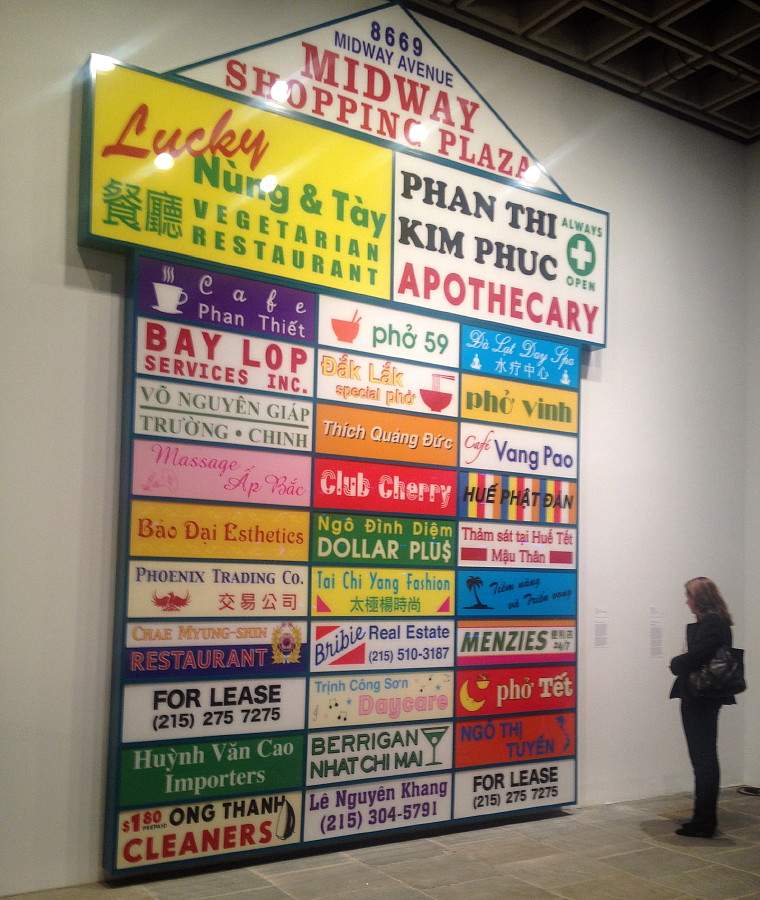
3-8 ken lum piece

Photo diary: Sunday brunch in the East Village

March 10, 2014

(click photos to enlarge)

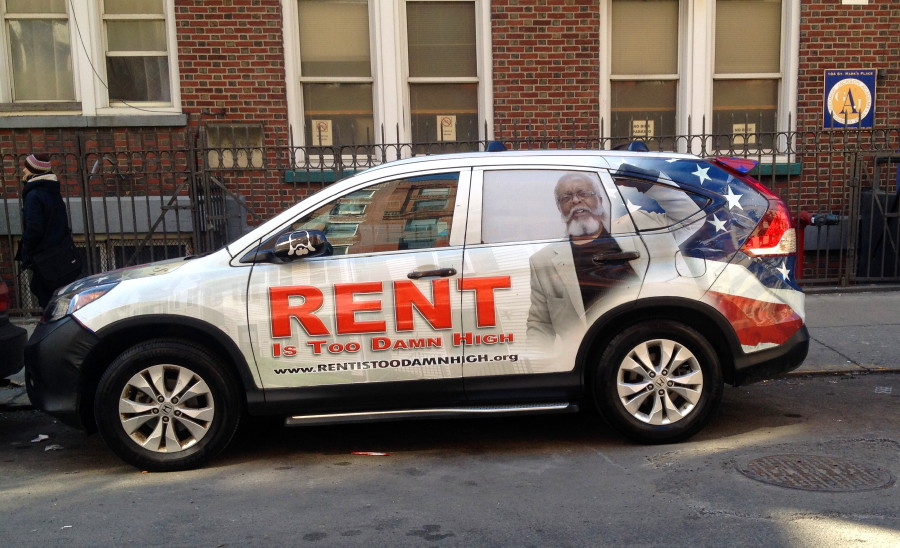
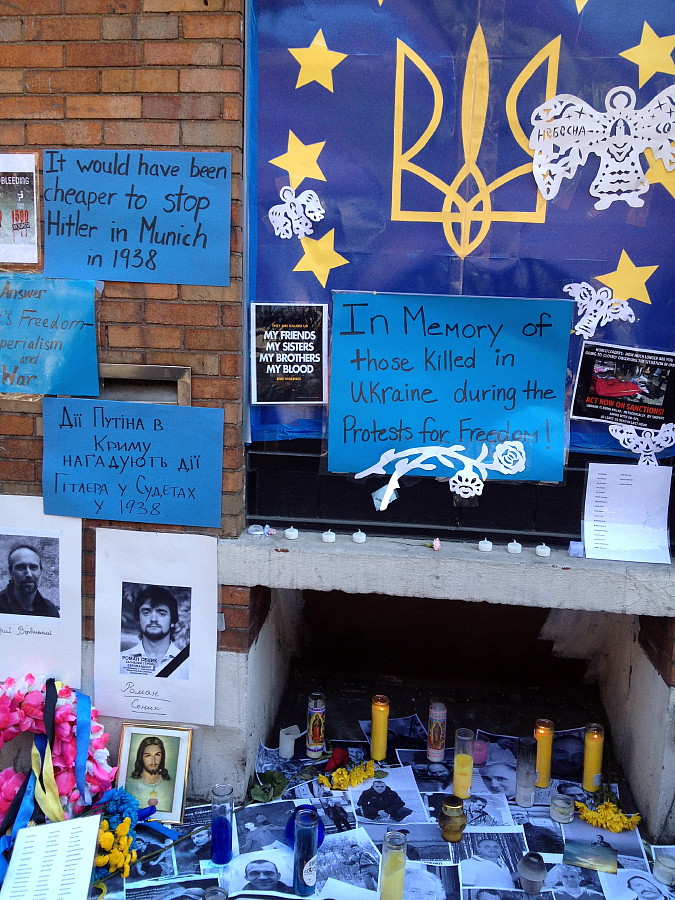
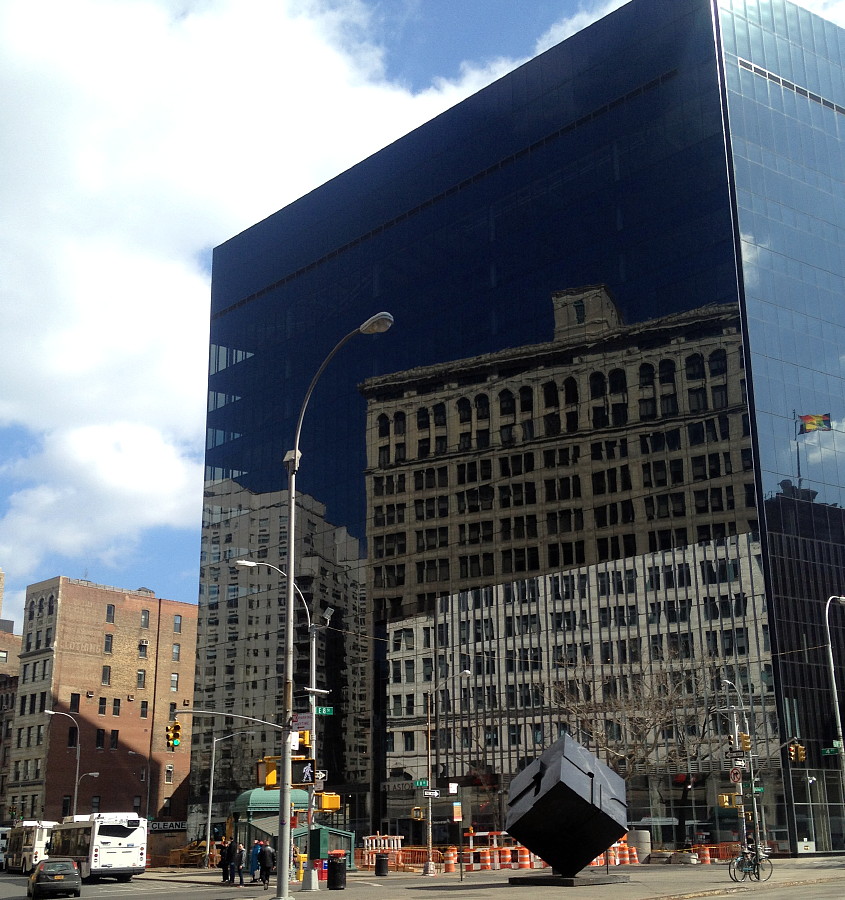
3-9 mirror bldg3-9 search and destroy3-9 rent is too damn high3-9 bob andy3-9 ukrainean heroes

Photo diary: a winter’s tale

March 3, 2014

(click on photos to enlarge)

2-18 fire in the snow

Glenn's balcony

Glenn’s balcony

eating and reading 3

eating and reading 3

dessert at Seasonal

dessert at Seasonal

Liam's birthday cake

Liam’s birthday cake

with Collin at Liam's party

with Collin at Liam’s party

my favorite new bogus midtown storefront sign, the sequel to "GOING OUT OF BUSINESS -- Everything Must Go!"

my favorite new bogus midtown storefront sign, the sequel to “GOING OUT OF BUSINESS — Everything Must Go!”

Stephen and Rivkah

Stephen and Rivkah

birthday boy Craig

birthday boy Craig

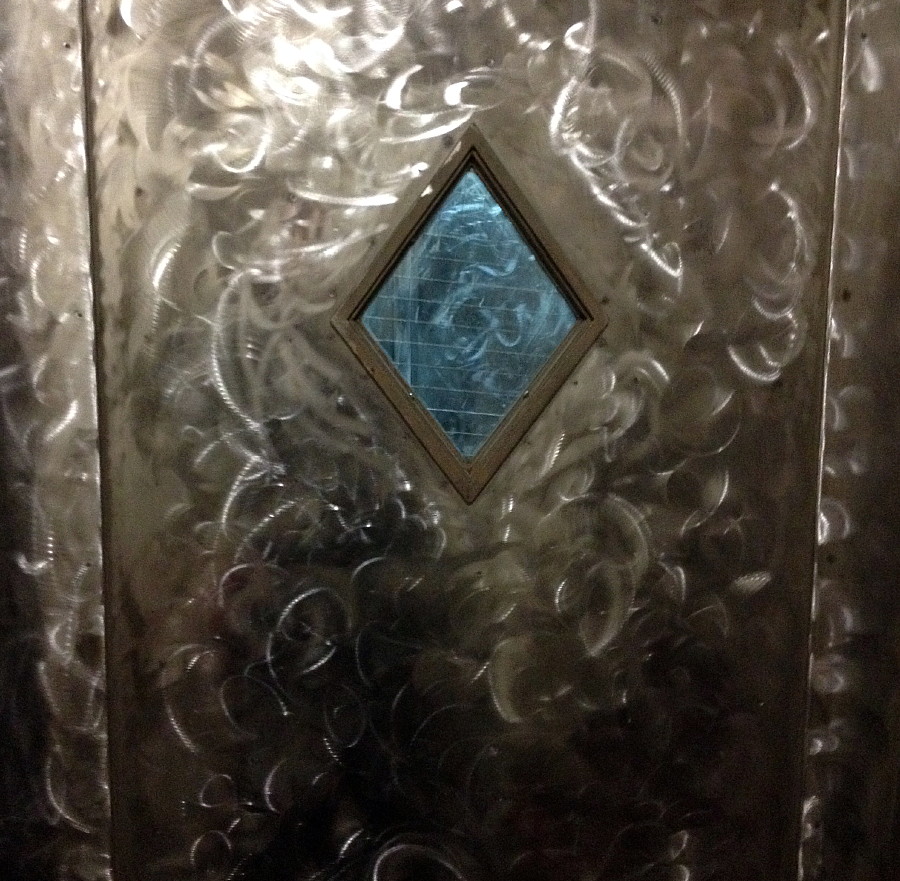
new elevator

new elevator

robots on Madison Avenue

robots on Madison Avenue

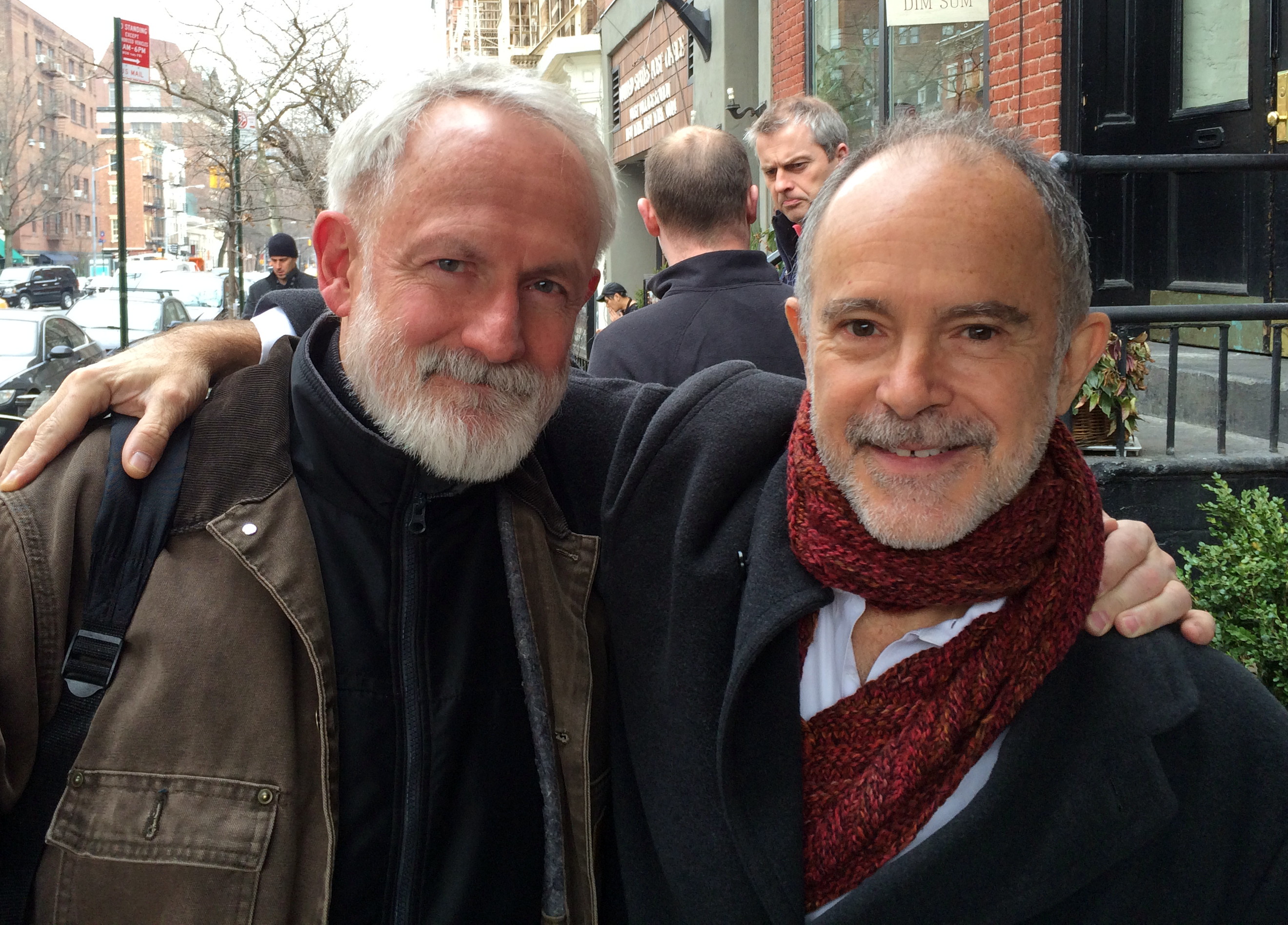
after brunch with Billy

after brunch with Billy

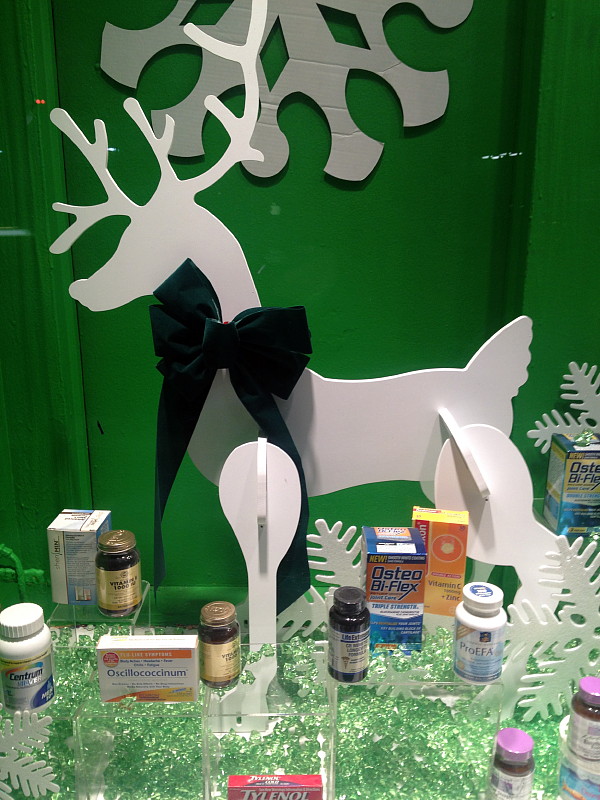
3-2 osteo bi-flex2-18 desktop with kalanchoe

Photo diary: walking tour of Castles of Northern Manhattan

February 24, 2014

(click photos to enlarge)

2-23 tour guide danielle
Andy’s old friend and colleague Danielle Oteri, an art historian who works at the Cloisters, has her own company, Feast on History, which offers walking tours of historical New York combined with eating and sometimes drinking (libations curated by her husband, Christian Galliani, of Wineforthe99.com). We took her up on this intriguing expedition that started in Washington Heights at the Rusty Mackerel. We had a yummy brunch while Danielle told us about the book that has inspired a series of walks, early 20th century newspaper reporter Helen Worden’s Round Manhattan’s Rim.

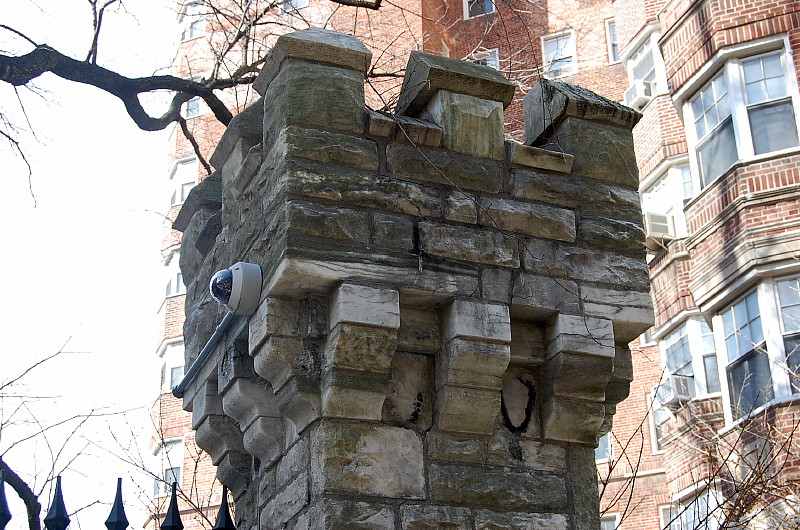
Our first stop took us to the site of Castle Paterno, built in 1909 by real estate developer Charles Paterno, who in 1939 tore it down and built the Castle Village apartment complex. There are a few traces of the original place, including a couple of marble stancheons on Cabrini Boulevard between 181st and 186th Streets.

Our first stop took us to the site of Castle Paterno, built in 1909 by real estate developer Charles Paterno, who in 1939 tore it down and built the Castle Village apartment complex. There are a few traces of the original place, including a couple of marble stancheons on Cabrini Boulevard between 181st and 186th Streets.

Then we jumped on the bus and went down to 155th and Broadway, where John James Audobon once had a mansion and surrounding park known as Minnesland. Demolished in 1931, the mansion gave way to the complex of art museums known as Audobon Terrace, whose best-known tenant might be the American Academy of Arts and Letters, whose Beaux Art facade bears the engraved legend "All Passes Art Alone Untiring Stays On Us."

Then we jumped on the bus and went down to 155th and Broadway, where John James Audobon once had a mansion and surrounding park known as Minnesland. Demolished in 1931, the mansion gave way to the complex of art museums known as Audobon Terrace, whose best-known tenant might be the American Academy of Arts and Letters, whose Beaux Art facade bears the engraved legend “All Passes Art Alone Untiring Stays On Us.”

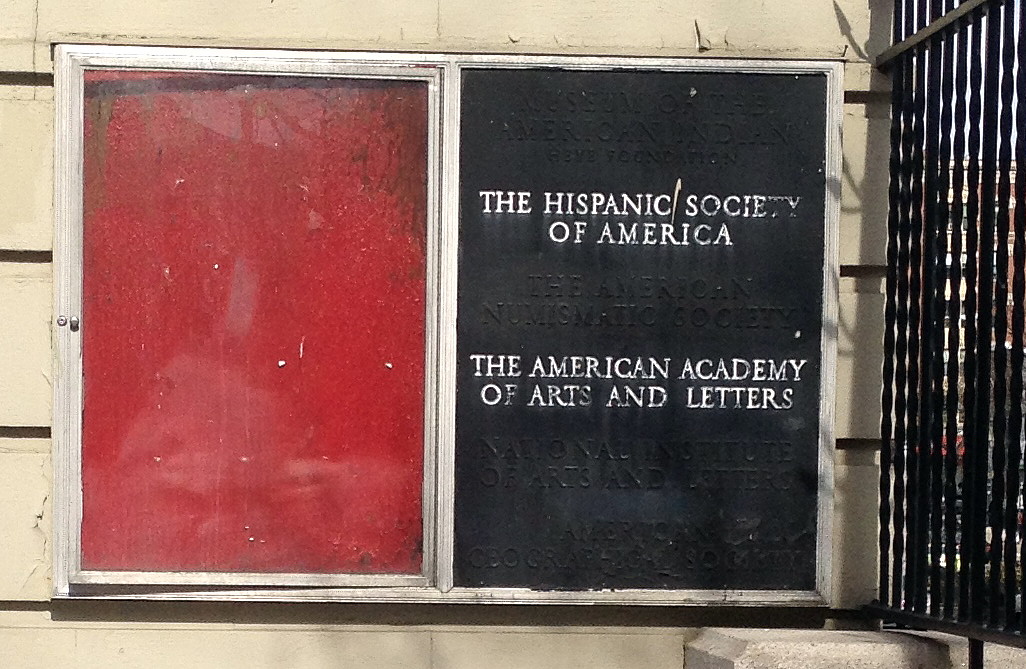
Other tenants formerly included the Museum of American Indian (now relocated downtown), the American Numismatic Society, and the American Geographic Society.  The one remaining thriving institution is the Hispanic Society of America, founded by philanthropist Archer Milton Huntington in 1904. Danielle considers this museum to be one of the most overlooked treasures in New York City.

Other tenants formerly included the Museum of American Indian (now relocated downtown), the American Numismatic Society, and the American Geographic Society. The one remaining thriving institution is the Hispanic Society of America, founded by philanthropist Archer Milton Huntington in 1904. Danielle considers this museum to be one of the most overlooked treasures in New York City.

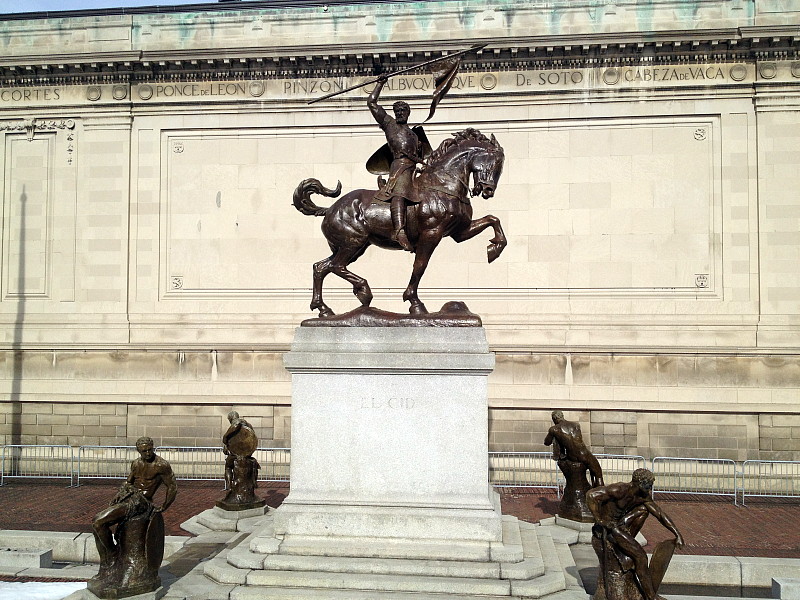
The nine statues out front, including this imposing depiction of El Cid, were created by Huntington's wife Anna Hyatt Huntington.

The nine statues out front, including this imposing depiction of El Cid, were created by Huntington’s wife Anna Hyatt Huntington.

The museum resembles the Frick, in that it houses a private collection amassed by a wealthy individual with particular, discerning taste. It includes some major paintings by major artists, such as this portrait of St. Jerome by El Greco.

The museum resembles the Frick, in that it houses a private collection amassed by a wealthy individual with particular, discerning taste. It includes some major paintings by major artists, such as this portrait of St. Jerome by El Greco.

Goya's famous portrait of the widow and legendary beauty Duchess of Alba is a centerpiece of the collection.

Goya’s famous portrait of the widow and legendary beauty Duchess of Alba is a centerpiece of the collection.

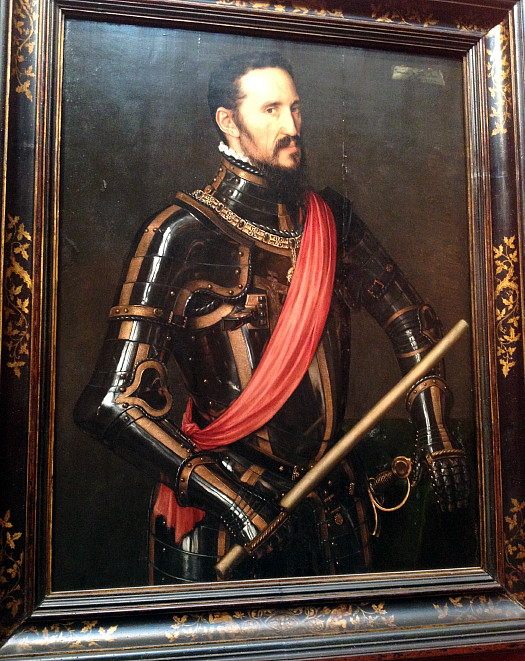
There's also Antonis Mor's portrait of the Duke of Alba, which explains why the Dutchess was so distraught after his death.

There’s also Antonis Mor’s portrait of the Duke of Alba, which explains why the Dutchess was so distraught after his death.

Among the many household, funerary, and decorative items on display are a couple of the few extant mosaic paintings known as enconchados -- I very much liked this one, created by an unknown artist in Cuzco, Peru, around 1750

Among the many household, funerary, and decorative items on display are a couple of the few extant mosaic paintings known as enconchados — I very much liked this one, created by an unknown artist in Cuzco, Peru, around 1750

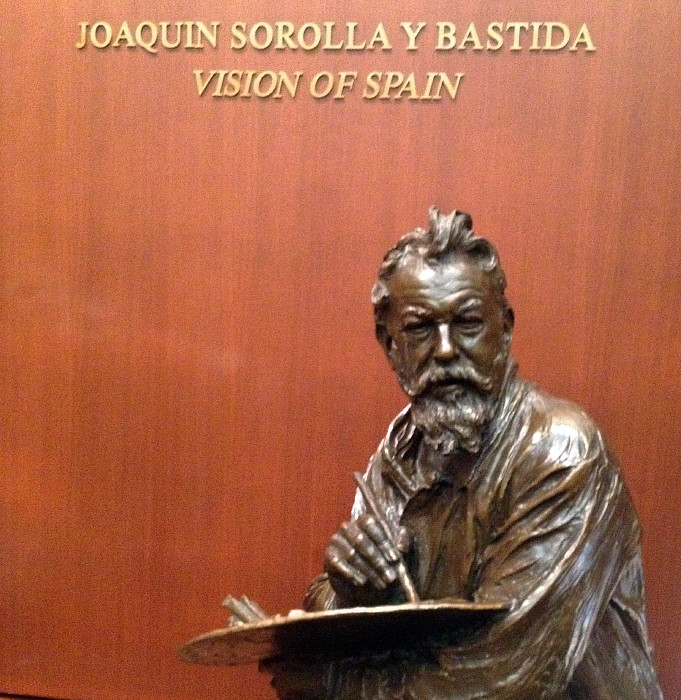
But the most dazzling room in the museum is dedicated to 14 paintings commissioned by Huntington from Joaquin Sorolla y Bastido depicting his Vision of Spain.

But the most dazzling room in the museum is dedicated to 14 paintings commissioned by Huntington from Joaquin Sorolla y Bastido depicting his Vision of Spain.

These paintings are extraodinary. My favorite was this one of dancers in Seville.

These paintings are extraordinary. My favorite was this one of dancers in Seville.


Photo diary: midwinter getaway

February 11, 2014

(click on photo to enlarge)

2-15 sebastian

skyline

skyline

sunset from the beach

sunset from the beach

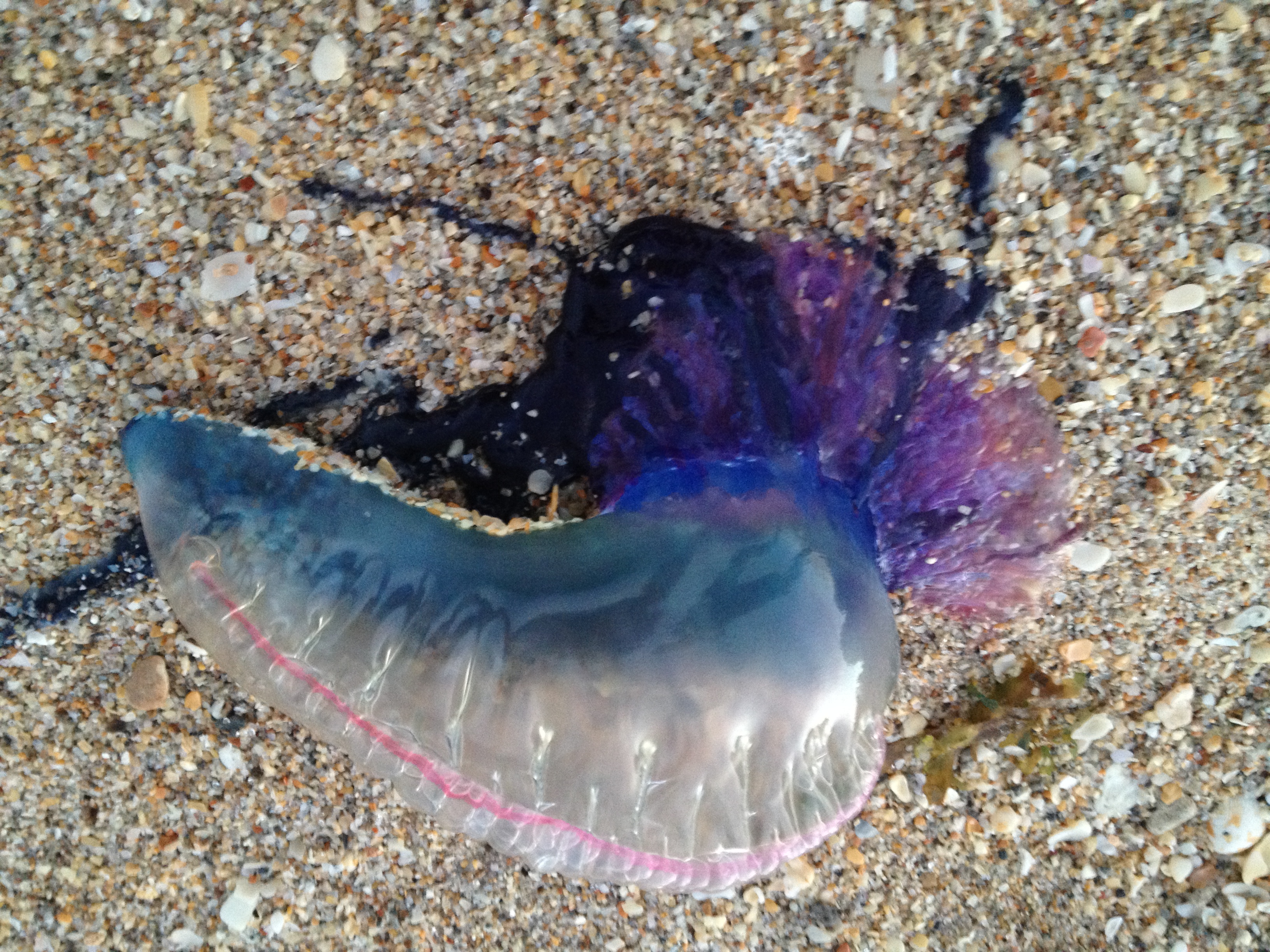
Portuguese man o' war

Portuguese man o’ war

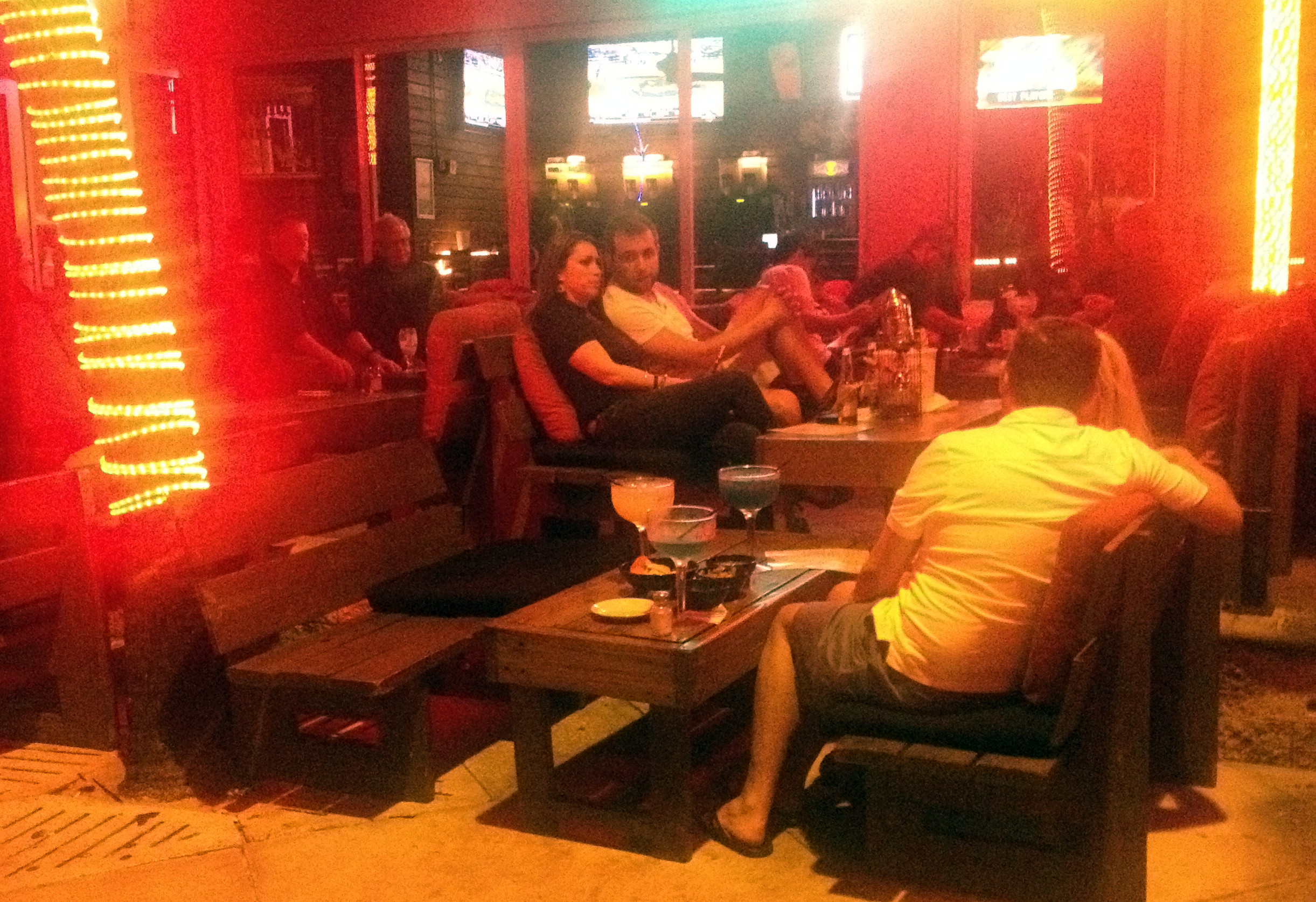
cocktails as big as your head

cocktails as big as your head

hotel by night

hotel by night

best restaurant we ate at (owners above, venue below)

best restaurant we ate at (owners above, venue below)

2-14 le patio

Marta and Rosie

Marta and Rosie