Archive for the 'Culture Vulture' Category

Culture Vulture: PIPPIN, NATASHA, MACBETH, ANN, FRANCES HA, and Amy Winehouse

May 27, 2013

THEATER

5.22.13 My dear friend Misha Berson, a dedicated theater scholar who reviews theater for the Seattle Times, visits New York twice a year and always takes me as her guest to a couple of shows. I got lucky this time – both shows we saw together were terrific. Pippin is not a musical I harbor any great love for. I saw and reviewed the post-Broadway national tour when it arrived in Boston in 1979, but it left no impression on me one way or the other. The current revival has gotten pretty sensational reviews and word-of-mouth. Still, I kept my expectations low and it turned out to be much better than I would have thought possible. I’ve not loved Diane Paulus’s productions of The Donkey Show, Hair, or Porgy and Bess (though I did admire her Laura Nyro jukebox musical, Eli’s Comin’ at the Vineyard Theater) but I thought she did an excellent job staging Pippin. Her central good idea was to hire a Canadian circus company, Les 7 doigts de la main, to create an entirely new and different form of “Magic To Do” than the passel of sexy dancers with which Bob Fosse dressed up the original Broadway production.

pippin620f
The circus performers are fantastic, as are Scott Pask’s circus tent set and Kenneth Posner’s lighting. And the leads are surprising, quirky, and satisfying. At first I thought Matthew James Thomas (whom I liked in Spider-Man Turn Off the Dark) was too bland in the title role until I realized that the journey of the play is one of a callow young man moving toward maturity and individuation. Patina Miller (who made a splash in Sister Act) is an intriguing, spiky Narrator – Misha found her “scary,” and indeed at the end when she’s cleared the stage of everyone but Pippin, his wife, and their child, I thought she looked like she was going to eat them. Again, not an unreasonable interpretation of the role. Charlotte D’Amboise and Terrence Mann (married in real life) inhabit their vaudevillean roles like the troupers they are. But the performance that has put this production on the map is Andrea Martin as Pippin’s grandmother. In all my years of theatergoing, I have never seen a performer get a standing ovation in the middle of the first act – Martin does, and she deserves it and the Tony Award that she will undoubtedly walk away with on June 9.

5.24.13 From the glowing reviews it received for its initial limited run last fall, I suspected that I would dig Natasha, Pierre, and the Great Comet of 1812 – but then I thought that about Murder Ballad, which left me cold. (Misha, on the other hand, liked Murder Ballad much more than I did, almost certainly because she sat in conventional seating rather than having to wheel around in her onstage cabaret seat all night long, as I did.) Natasha, Pierre is another immersive theatrical experience – the audience sits at cabaret tables and is served dinner and free vodka shots while the show takes place all around them – performed at a special pop-up temporary space you enter on West 13th Street directly under the High Line. It’s cleverly conceived, designed, and staged on the caliber of Sleep No More (and as expensive), and its ambitions are not modest – it’s an adaptation of a chunk of Tolstoy’s War and Peace with an expertly devised text, luscious score, superbly contemporary orchestrations, and leading performance (as Pierre) by Dave Malloy.
natasha17f-2-web
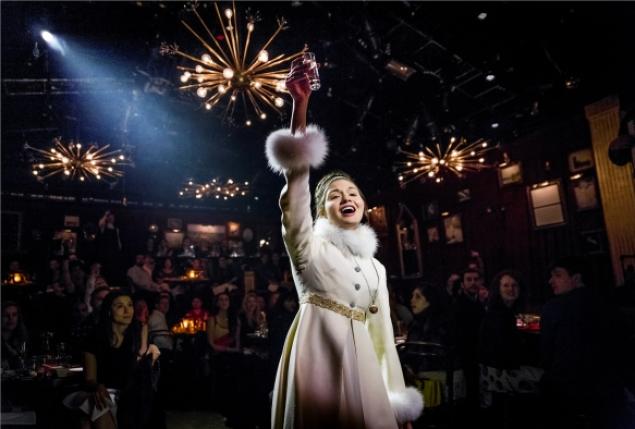
Julliard-training Philippa Soo, as Natasha (above), torn between two lovers, is sensationally good – a real star-in-the-making along the lines of Kelli O’Hara and Lea Michele. It’s a rich, intellectually demanding, quietly profound theatrical event – so much so that the eating and drinking distracted me a lot. High praises to director Rachel Chavkin – she and Malloy deservedly took home Obie Awards for their work – as well as to Paloma Young’s luxurious costumes and Matt Hubbs’s engulfing sound design. This show apparently can only run in this space through September 1, and tickets are going to be gone soon. Worth the investment – you’ll remember it long after you’ve forgotten even good Broadway musicals conventionally staged.

5.25.13 Weeks ago, perhaps high on seeing Alan Cumming dazzle Town Hall in concert with Liza Minnelli, I talked Andy and his college buddy Terry into buying tickets to see Cumming’s conceptual one-man performance of Macbeth. Some good omens: it was staged by John Tiffany, whose stagings of Once and The Black Watch were impeccable; and theater-savvy friends who saw early previews found it compelling to hear the text of The Scottish Play spoken by An Actual Scotsman. After the fact, I remembered that I didn’t care much for Cumming and Tiffany’s previous collaboration on The Bacchae, seen at the Lincoln Center Festival a few years ago.

cumming macbeth
This show takes place in a mental institution – it opens with Cumming’s character being examined and relieved of his personal belongings by a crisp, kind female doctor and a kind, burly male nurse. As the other two start to leave the room, Cumming says, “When shall we three meet again…?” and then proceeds to enact a truncated version of Shakespeare’s tragedy, playing all the roles. Nothing new is churned up from doing the play this way, nor do we understand something coherent about the character of the mental patient. All we’re left with, really, is a different way of doing one of Shakespeare’s most (over)familiar plays. And a show in which we witness Cumming’s considerable physical agility without his tremendous comic ability is a bit of a waste. The show felt of a piece with Fiona Shaw’s antic, arid performance art rendition of Colm Toibin’s The Testament of Mary.

5.26.13 I felt very torn about seeing Ann, the living portrait of former Texas governor Ann Richards written and performed by Holland Taylor at Lincoln Center’s Vivian Beaumont Theater. I didn’t think the play would be very good; I’m allergic to one-person bio-dramas. Yet several people I trust liked it very much (although I think my friend Dave’s experience of the show got skewed somewhat by sitting behind Bill and Hillary Clinton, who were with Meryl Streep and Gabby Giffords and her astronaut husband). It was on TDF, and my friends Tom and Melissa were game for going, so what the hell, we went, and I found that I liked it much more than I expected I would.
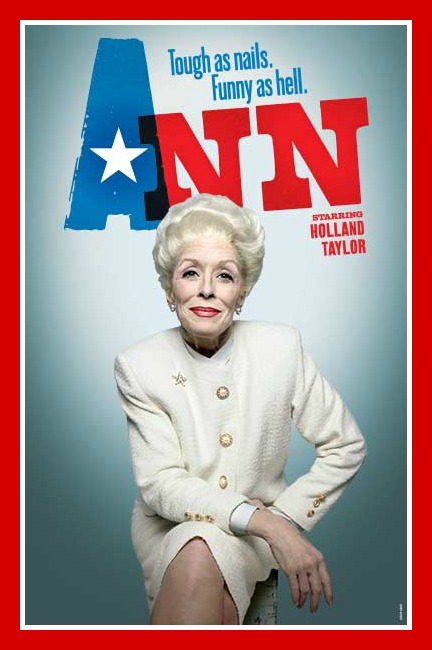
ann-holland-taylor
It’s a beguiling performance eerily true to a remarkable woman whose forthrightness and willingness to speak bluntly and truthfully to power made her a hero to many people, including me. (And my mother, who transferred her voter registration from Colorado to Texas just to vote for Richards for governor. Another family connection – Richards grew up in Lakeview, the pitiful lake-free suburb of Waco where we spent five years living in a trailer park while my father was stationed at nearby James Connolly Air Force Base.) The show goes on too long and insists on covering every scrap and tittle of Richards’s life, before and after her one-term governorship. But the middle section is a bravura set piece to match the second act of Lily Tomlin’s The Search for Signs of Intelligent Life in the Universe. Richards is sitting at her desk signing a pile of documents while fielding a relentless succession of phone calls – employees she yells at, reporters she coos to, children she cajoles – and calling out instructions to her offstage secretary. It’s a pretty good stylized condensation of a day in the life of a charismatic high-powered elected official.

FILM

On a break from theatergoing, Mr. David Zinn and I took in Noah Baumbach’s Frances Ha, the new black and white film by the maker of The Squid and the Whale, co-written with Greta Gerwig (his girlfriend), who plays the title role. The film is quirky – always an admirable trait in my book – telling its story in tiny fleet snippets frequently chopped off in such a way as to subvert conventional pleasures. And the story itself undertakes an unreliable-narrator gambit familiar in fiction but hard to pull off in a movie.

frances ha
The narrative revolves around Frances’s friendship with high school chum Sophie (played by Mickey Sumner, daughter of Sting) but by the end you can’t really tell whether the friendship has grown distant and sour or whether it was a figment of Frances’ imagination all along. Gerwig plays an impetuous, bumbly underachieving twentysomething surrounded by rich kids with more social savvy. Her performance is not meant to be charming, and it’s not – it’s lumpy and awkward. The inevitable comparison, to Lena Dunham’s Girls, does not favor Frances Ha. It’s like a movie centered on the listless house cleaner Aimee Mann plays on Portlandia. Only in beautiful and admirably dark black and white. With Adam Driver in a key role.

MUSIC

For my birthday, someone gave me a copy of the wonderful two-disc Amy Winehouse at the BBC. Disc 1 is a CD containing previously unreleased live recordings of songs from her first two albums; disc 2 is a DVD of a film called The Day She Came to Dingle, documenting Winehouse’s appearance at Other Voices, a festival held in a tiny hall in seaside Ireland. It’s an incredible document – thrilling, shocking, heartbreaking. She performs six songs from Back to Black, which hadn’t yet been released, backed only by a guitar and electric bass – in other words, without the sensational sonic environment and classic horn-heavy R&B arrangements by Mark Ronson.
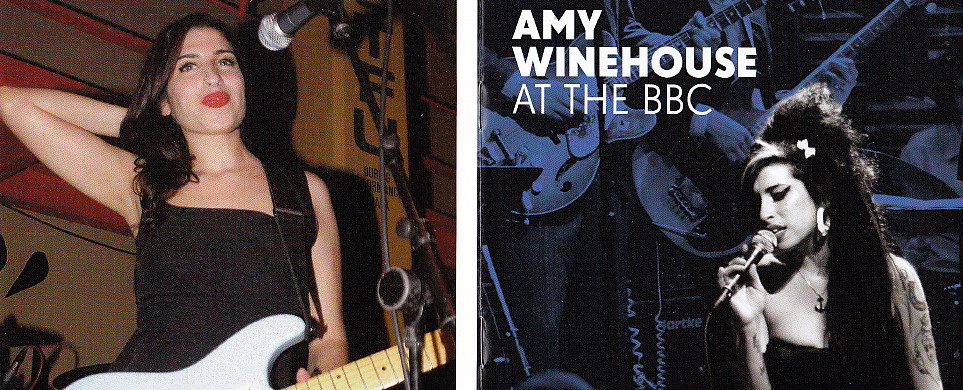
amy winehouse
In a backstage interview, Winehouse talks about the evolution of her musical taste: from Kylie and Madonna, to hip-hop (Salt ‘n’ Pepa) and jazz (Sarah Vaughan, Thelonious Monk), and only recently to gospel (Mahalia Jackson) and early ‘60s girl groups (the Shangri-Las). The film interpolates archival footage of the people she mentions (including some British acts I’d never heard of – Carleen Anderson and Soweto Kinch). It’s naked and as riveting as any live performance video you’ve ever seen. It was shot five years before she died. She was 22.

Culture Vulture/Photo Diary: 5/16-18/13

May 19, 2013

5-17 any day now still
5.16.13
I watched the DVD of Any Day Now, Travis Fine’s indie feature starring Alan Cumming as a drag queen in LA who becomes surrogate parent for a kid with Downs syndrome whose mother is a junkie. Everything about it sounded contrived and cheesy and yet the movie grabbed me. It’s set in 1979, so Cummings’ character Rudy’s signature number in his drag act is France Joli’s “Come to Me” – lip-synching it directly to a handsome stranger in the bar launches a love-at-first-blowjob with Garret Dillahunt, a recently out closeted lawyer who becomes an overnight activist in support of the self-made family he forms with Rudy and Michael, who’s left abandoned in the apartment next door when his mother gets busted for drugs and prostitution. Cumming’s American accent wanders from Brooklyn to Boston, and Dillahunt is stiff as a board. But Isaac Leyva (above with Dillahunt) as the doughnut-munching, doll-clutching highly alert lump of a kid is heartbreakingly wonderful, and Cummings/Rudy’s instant identification with and protection of him makes the movie ridiculously more touching than it has any right to be.
5-17 rain room exterior

5.17.13 Beautiful sunny day in Manhattan. An art-viewing day. I started out trying to experience Random International’s new “Rain Room” at MOMA but even at 10 AM it looked like an hour-long wait to get in, and I resolved to return better prepared with breakfast, patience, and/or companions.

5-17 dave shades

I met Dave Nimmons at Chelsea Market, where we scored yummy spicy pork belly sandwiches at Num Pang, a Vietnamese sandwich joint with nary a Vietnamese face in the kitchen (our friendly order-taker told us she’s Dominican) and took them out on the High Line to eat and people-watch.

5-17 highline skyline

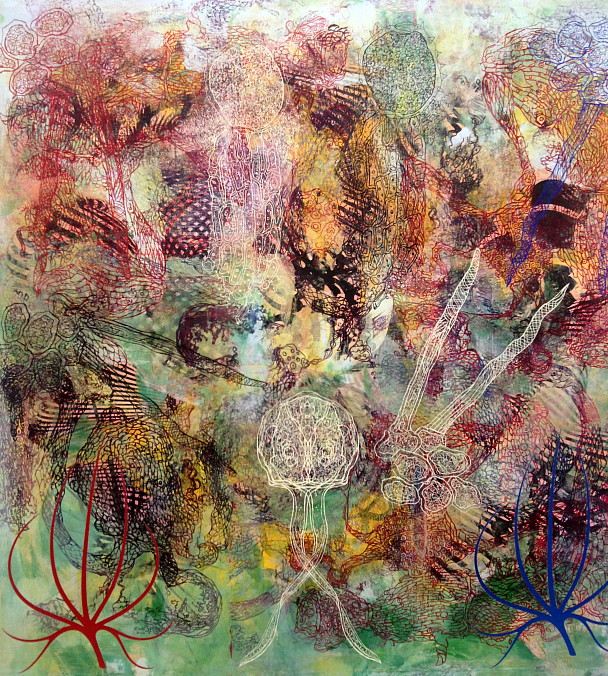
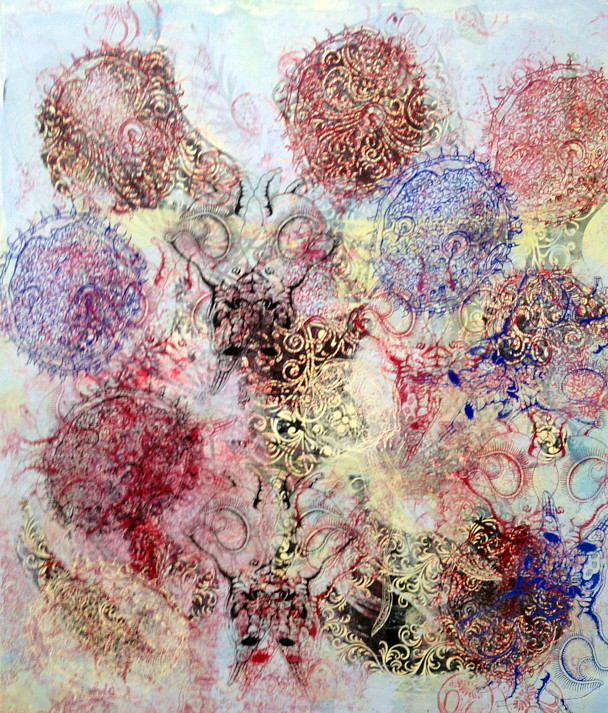
Our gallery crawl began by chance at Luhring Augustine, looking at Philip Taaffe’s psychedelic canvases….

"Imaginary Landscapes"

“Imaginary Landscapes”

"Emblem Painting"

“Emblem Painting”

…on our way to Gagosian to look at the Jeff Koons show. I keep wanting to find something to treasure about Koons’ work. It’s fun but ultimately too shallow for my taste. What you see – gigantic stainless steel balloon animals selling for $30 million – is all you get.

koons
We stopped at Andrew Kreps to see “The Book of Hours,” Christian Holstad’s sprawling show of witty, whimsical, ultimately mysterious sculptures of everyday objects (bees’ nests, baby strollers) and fantasy creatures knitted out of shredded bath towels (with Martha Stewart and Ralph Lauren labels clearly visible).

5-17 holstad 5
5-17 holstad 4

We dipped into Matthew Marks to see the Ellsworth Kelly show, which took less than a minute.

5-17 matthew marks gallery

Gallerygoing inevitably refreshes the eye for the art that appears everywhere in public, whether man-made…

5-17 gallery stroller

Or natural.

5-17 w21 st

Our afternoon ended with tea and croissants at La Bergamote on Ninth Avenue.

5-17 la bergamote

The evening’s destination: the Public Theater, where Andy and I started out at Old Fashioned Prostitutes (A True Romance), Richard Foreman’s latest Ontological-Hysteric production. Foreman’s work, which I’ve been seeing with interest since 1977, is not for everyone. His plays are surreal, dream-like, aggressively non-linear and non-narrative, literally ephemeral in that the sentences and their meanings evaporate as soon as they’re spoken (in that, they bear a strong family resemblance to Gertrude Stein’s work). This one is not one of his most substantial or enjoyable. At the heart of it is a kind of romance between Samuel (Rocco Sisto, dressed as a jester or playing card come to life) and Suzy (Alenka Kraigher, a beautiful coquette) but even to say that is to suggest more narrative than the play contains.

old fashioned prostitutes
It is a piece of performance art, perversely chaotic yet precisely executed by the actors (Sisto and Kraigher are excellent) and the characteristic Foreman visual feast of sound, light, and ever-morphing set. I chatted a little beforehand with Richard, whose Sunday routine was recently the subject of a New York Times feature, and he mentioned that he has agreed to direct a production of Brecht’s In the Jungle of Cities at the Public Theater. Also in the audience, the legendary downtown theater duo Linda Chapman and Lola Pashalinski.

5-17 don and matt alber5-17 matt andy no flash

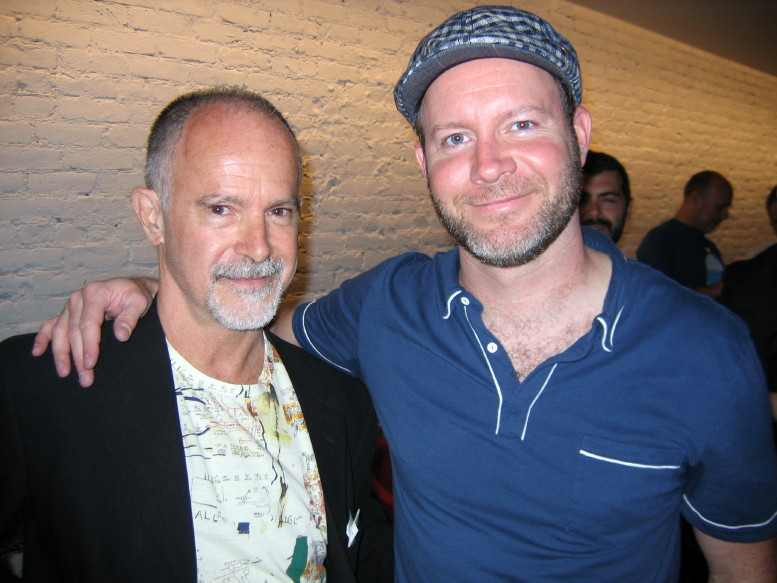
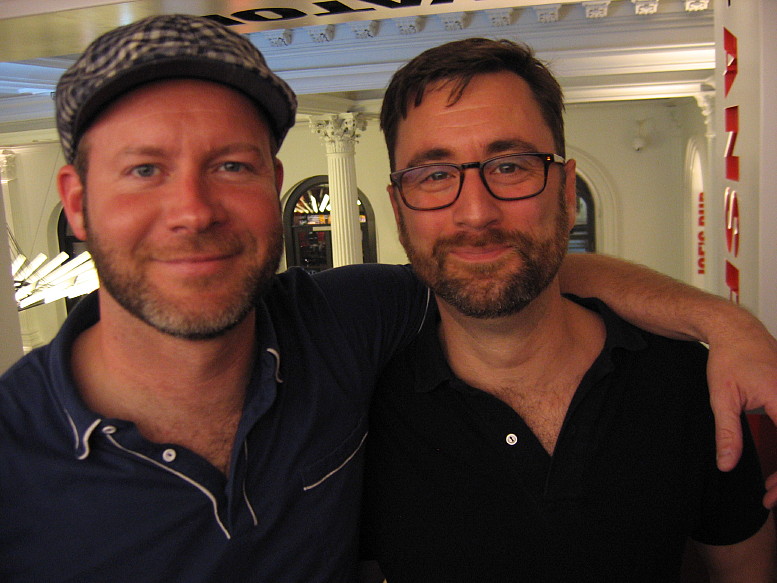
Andy’s friends Randall and Mostafa met us for tangy Tibetan food at Tsampa, and then we returned to the Public for a meet-and-greet in the mezzanine with the handsome and talented singer-songwriter Matt Alber.

For his show at Joe’s Pub, Alber generously shared the stage with Celisse Henderson, a singer and budding songwriter with great chops a little nervous about making her NYC debut. When the cord dropped out of her electric guitar, she got so flustered she forgot the lyrics to the song she was singing, but when she admitted as much and started over from the top, she won the audience over. Alber, the finest gay singer-songwriter to emerge since Rufus Wainwright, performed an array of his own songs (“Old Ghosts,” “Tightrope,” and of course his best-known song, “End of the World”) and covers (Whitney Houston’s “I Want to Dance with Somebody” and Keane’s “Bend and Break”). And for the encore he surprised us with a gorgeous song about New York City that he’d just written the day before.

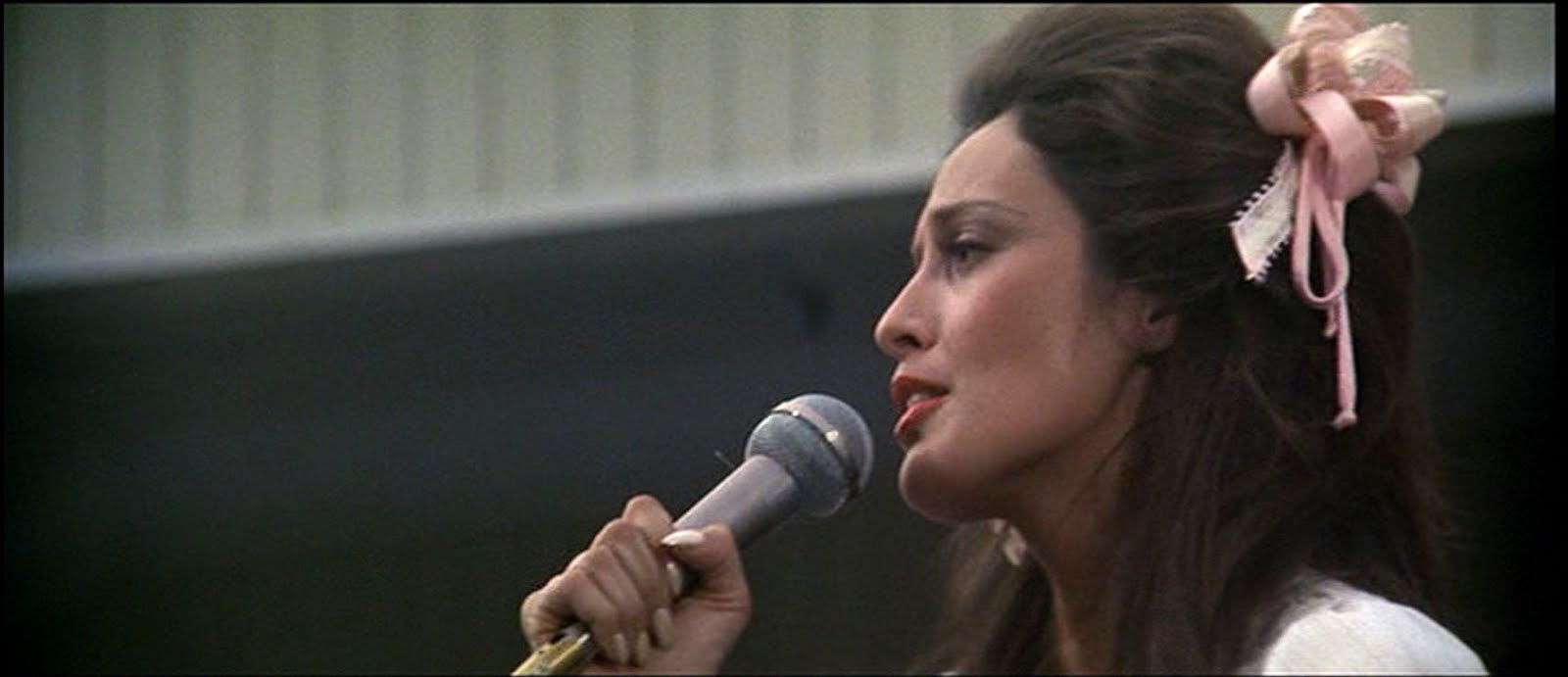
5.18.13 We were all set to trek up to New Haven to see Robert Woodruff and Bill Camp’s stage adaptation of Fassbinder’s In a Year of 13 Moons at Yale Rep but Metro North trains weren’t running and the buses were all full. So we stayed home and watched on DVD just about my favorite movie ever, Nashville. I very rarely see movies more than once, but this was my sixth viewing, Andy’s first, and it was fun to watch him squirm through Ronee Blakley’s breakdown onstage, admire Lily Tomlin’s performance, register surprise that “I’m Easy” is a song written and performed by Keith Carradine rather than Jim Croce, cringe at Geraldine Chaplin’s “Opal from the BBC,” and figure out why the guy with the violin case never brought it out to play his instrument. The movie holds up as a great piece of ensemble filmmaking, and Blakley’s performance in particular continues to impress me. I love that Justin Vivian Bond has recently recorded her song “Dues,” first heard in the movie in this poignant performance.

Nashville-Ronee-Blakley
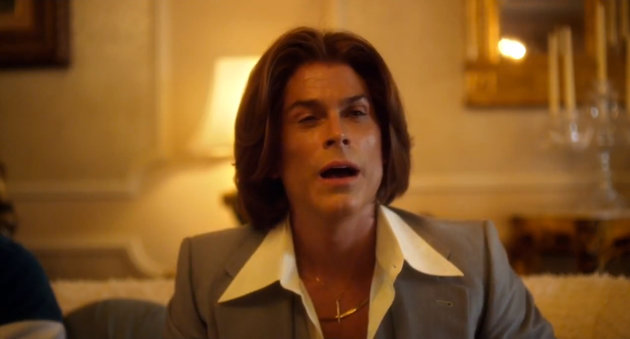
5.19.13 Private advance showing of Steven Soderbergh’s film about Liberace, Behind the Candelabrabased on the memoir by Scott Thorson, who was Liberace’s boy toy for five years. By now you’ve probably heard about the impressively ballsy performances by Michael Douglas and Matt Damon and the script by Richard LaGravanese, all of which deserve praise. You may not have heard about the terrific cameo appearances by Scott Bakula, Debbie Reynolds, Dan Ackroyd, and — most outrageous, — Rob Lowe.

Behind-the-Candelabra-Rob-Lowe-03-jpg_152817

Lynn Hirschberg conducted a thorough, intimate interview with Douglas for New York magazine last week, and the week before that, the New York Times ran a long fascinating piece in the Sunday Styles section about Thorson, who’s currently incarcerated in Reno.

Culture Vulture: Stockhausen, two Marys, Andre Gregory, and more

April 30, 2013

Several weeks’ worth of cultural events backed up….

MUSIC

3.23.13 I love the new role that Park Avenue Armory has taken on as a venue for large-scale avant-garde performance art. On the heels of Ann Hamilton’s fun installation The anatomy of a thread, artistic director Alex Poots has planned an extraordinary diverse calendar of events between now and the end of the year. Oktophonie is typical of the programming. This Karlheinz Stockhausen piece is a bombastic, bracingly modern (i.e., unmelodic, unbeautiful) electronic composition that exists on tape, never played live. The score is as much sound design as notes for musicians to play.

oktophonie score oktophonie sound design

Concerts usually involve audiences sitting in a dark auditorium watching a projection of a full moon. For this event, the Armory invited Thailand-born visual artist Rirkrit Tiravanija to design a special environment, and he wittily put the moon on the floor in the form of a round platform.

OKTOPHONIE pic by stephanie berger
All white — the carpeting, the backjacks, and the audience members, who were encouraged to wear white clothing and were also handed a white smock upon arrival.

3-23 oktophonie finale
The show was a little bit of a light show, a little bit of sensuround sound demonstration, a little bit like being on a simulated spaceship at a planetarium show. Also, since we were sitting on the floor looking toward the center of the circle where a blissed-out-looking woman sat operating two consoles (Stockhausen’s longtime colleague Kathink Pasveer, below), there was an odd feeling of being at an ashram or a cult meeting.

3-23 oktaphonie after
Although ultimately not much about the concert stuck with me, it was a beautifully produced event — the Armory gives out a deluxe program booklet (including the score, which is as much sound design as notes for musicians) and maintains an active online presence, both of which provide great educational materials for kids, students, and adults alike.

OPERA

3.27.13 The Gospel According to the Other Mary, John Adams’ oratorio depicting the death of Christ from Mary Magdalene’s point of view, is a companion piece to El Nino, his composition about the birth of Christ as witnessed by women. Both feature texts, compiled by director and longtime Adams collaborator Peter Sellars, taken partly from the Bible, partly from an array of interesting poets (Louise Erdrich, Rosario Castellanos). Mary Magdalene seems to be a butch lesbian political activist whose girlfriend is a former drug addict she met in jail; when Mary M washes Jesus’s feet, it’s the girlfriend who dries them with her long hair. Jesus is played alternately by three countertenor Narrators (theirs is the most haunting music and presence in the semi-staged show) and the guy who also plays Lazarus. Not Adams’ most beautiful score ever but I’m glad to have witnessed the performance at Avery Fisher Hall by the Los Angeles Philharmonic. Respectful reception. Composer and director took bows. The conductor was the wunderkind Gustavo Dudamel, who did a fine job.

THEATER 

4.6.13 Stephen Sondheim and James Lapine’s Passion got a beautiful intimate staging at Classic Stage Company by John Doyle. The intense intermissionless musical is the closest thing to a through-composed opera Sondheim’s ever done – no pause for applause anywhere, which I liked very much. I saw the opening night performance of the original 1994 Broadway production, with its fantastic performances by Donna Murphy as the melancholic un-beauty Fosca, Jere Shea (whatever happened to him?) as Giorgio, the handsome soldier she becomes fixated on, and Marin Mazzie as Clara, the beautiful young married woman he has been attached to. (That show is available on DVD – an excellent live broadcast for Great Performances, much of which you can find on YouTube.)

This smaller production was musically and theatrically very sound, although having both pair of lovers cavort on a hard cold marble floor sacrificed some sensuality (I’ll never forget the lushness of topless Mazzie in the show’s opening number, “Happiness.”) Judy Kuhn made a compelling Fosca, and Ryan Silverman was a fine Giorgio. Melissa Errico, the production’s Clara, was out – her understudy, Amy Justman, sang beautifully but her acting didn’t register much. Many people (including Andy, who came with me) have a hard time buying the plot, believing that Giorgio would ultimately choose to love the woman who’s been stalking him, but I’ve always been able to go along with it. Although Fosca’s obsession seems crazy, she doesn’t demand more of Giorgio than he offers, and it makes sense to me when the purity of her love breaks through to his heart, especially in contrast to the limited conditions of his affair with Clara, who is steadfastly married and not really available.

4.13.13 Bunty Berman Presents… – we took a gamble checking out an early preview of the musical at the New Group, a Bollywood spoof by Ayub Khan Din and Paul Bogaev, directed by Scott Elliott. We loved the New Group’s musical of Dan Savage’s The Kid, and I thought Elliott did a terrific job with Khan Din’s play East Is East years ago. But this was a pathetically lame show in every way, and we left at intermission. Since then, the lead actor, who was clearly floundering, has been replaced by the author, which can only be an improvement.

testament of mary handout
4.20.13
Colm Toibin’s The Testament of Mary gives us the mother’s account of a martyr’s death, which is somewhat at odds with the narrative constructed by historians, advocates, and media types. There are, shall we say, discrepancies. (I guess we could say this phenomenon is timeless – cf. the press conference given by the mother of the Boston Marathon bombers.)

4-21 mary from the balcony

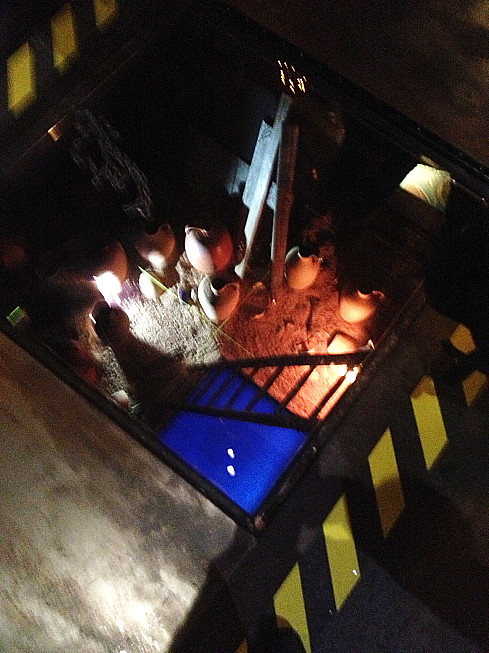
The best part of Deborah Warner’s theatrical adaptation of Toibin’s monologue is the pre-show interactive art installation. The audience is invited onstage to inspect props and artifacts from the life of Mary, played by Fiona Shaw, who sits inside a Plexiglas cubicle surrounded by votive candles, while a few feet away a live vulture is chained to a tree stump.

4-21 testament vulture
A window in the floor reveals a crypt underneath the stage, as you see in many Italian churches housing relics of saints. The audience is invited, nay encouraged to snap photos with their smartphones, locating the theater piece in our world of nonstop citizen documentation of everything. I enjoyed touring the exhibition, taking pictures, and then standing in the aisle making Mary jokes with Ben Cameron.

4-21 mary crypt
At showtime, audience members take their seats, some of the props get whisked away (the cubicle, the vulture), and Shaw goes into her act. She is a fine actress, I have respect for her, but this performance is so busy and fussy that it becomes bothersome and … I was doing to say distracting from the storytelling, but I have to assume that it’s a choice on the part of Shaw and her director (and longtime collaborator and former love partner) to tell the story this way, as if Mary is traumatized and manic, can’t sit still, has to move and create some active moment on Every Single Line. She’s always moving furniture around, picking up a ladder, putting it down, bringing out a raw fish and cleaning it then throwing it away, getting naked and disappearing into an onstage pool for a minute, for no ostensible reason except to be showy (“I’ll show you, Mark Rylance!”). We walked away pretty nonplussed. Some reviewers loved it; Ben Brantley’s review in the Times echoed my feelings pretty much, though I have to say I didn’t disagree with Michael Feingold’s unremittingly negative commentary in the Village Voice.

ART

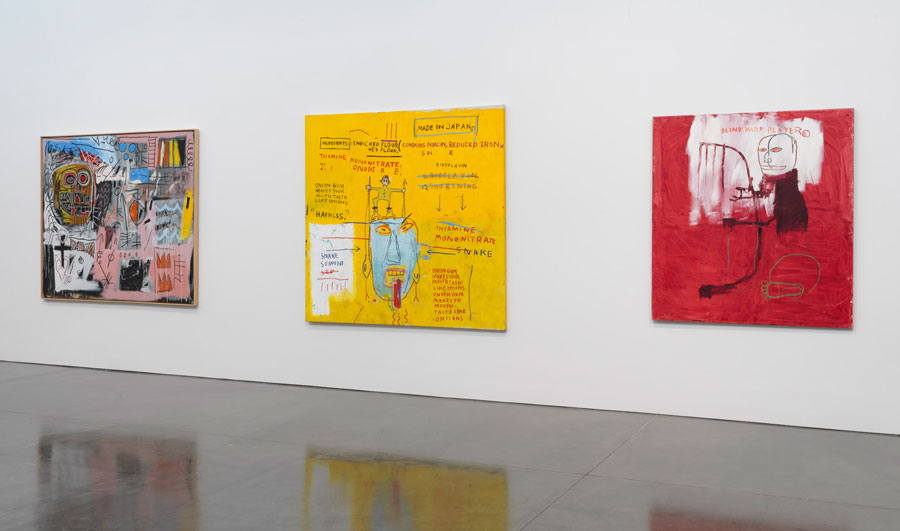
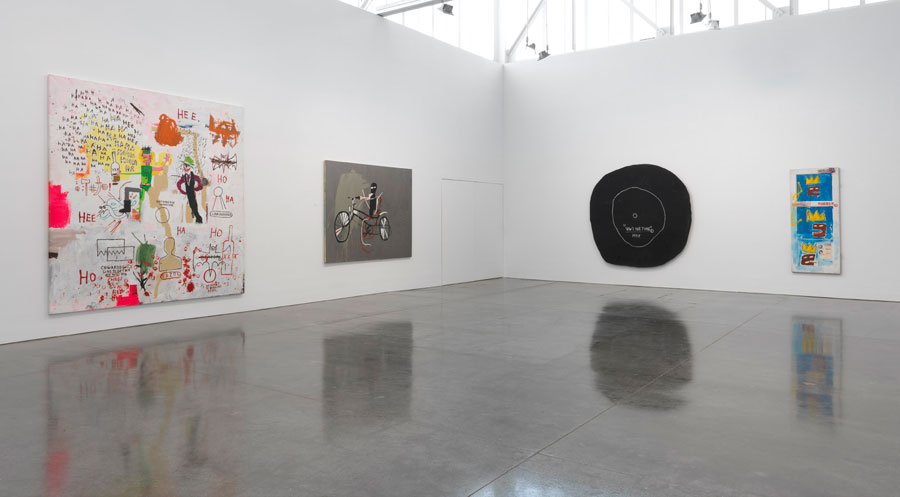
4.6.13  I didn’t get around to seeing the blockbuster Jean-Michel Basquiat show at Gagosian Gallery until the very last day. It was great.
basquiat in italian 1983
I so admire the freedom Basquiat took for himself and how he used absolutely everything in his environment, in his mind, in his heart, in his eyes, in his ears to make work.

basquiat la hara 1981
There were constructions I’d never seen before – a fence he’d painted, two six-panel paintings hinged together, collages.

basquiat frogmen 6-panel 1983
Although smaller than the retrospective at Brooklyn Museum a few years ago, this was an impressive representation of Basquiat’s work.

basquiat installation 2 basquiat installation 1
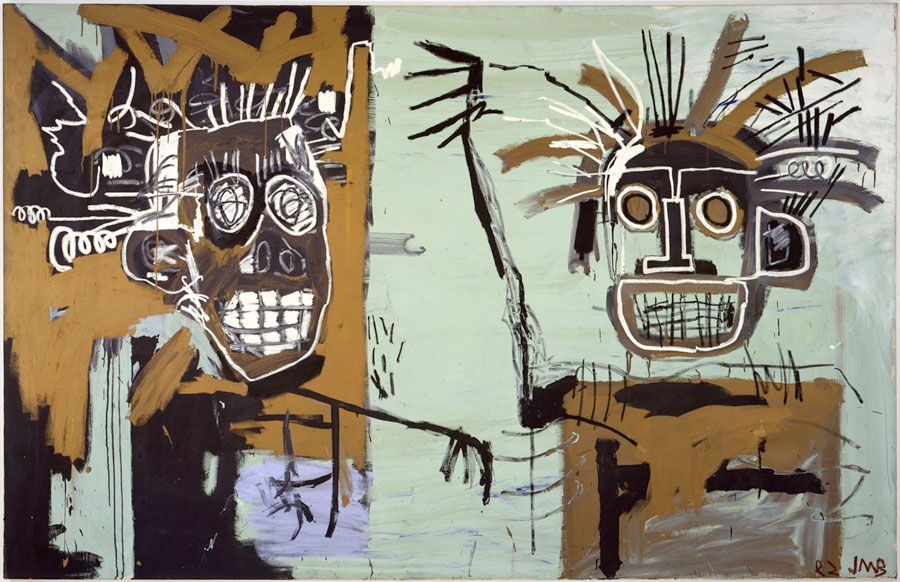
These images make me crazy with joy.

basquiat untitled two heads on gold 1982

I’m delighted that Uniqlo has suddenly embraced Basquiat and Keith Haring as stars of the season, selling some very cool T-shirts based on their work and turning some kids onto these fertile creators who died way too young.

4-29 basquiat label

BOOKS

Spirit Matters by Matt Pallamary is a riveting memoir. Pallamary grew up among criminals and bad boys in Dorchester, a rough white working-class suburb of Boston, and spent his adolescence and early adulthood crashing through all kinds of self-destructive behavior before finding a life for himself as a writer. The prose is clean, clear, spare, honest, and astonishingly free of bullshit. He writes with extraordinary articulateness about subjects that are difficult to address cogently. His digest of Terrence McKenna’s teachings on indigenous North and South American plant medicine is something I’ve been craving for years, and his description of his first ayahuasca retreat in Peru is just fantastic — moved me to tears, cracked me up, and at times had me squirming in my seat with intense identification.

TV

Enlightened – favorable opinions from people I trust led to sample the first five episodes of this HBO series created by Mike White and Laura Dern but I didn’t care for it. Dern’s character is just too fucked-up to be believable – we watch it and can only feel superior to her, which I think is unfair and separates bad/lazy TV from good stuff (in which category I place Louis C.K. and Lena Dunham).

FILM

RenoirGilles Bourdos’ new film portrays the French painter Pierre-Auguste Renoir at the end of his life welcoming into his harem a beautiful young model who eventually falls in love with the painter’s son, a soldier who returns wounded from the front lines of World War I (and later goes on to become the great French filmmaker Jean Renoir). Gorgeous gorgeous gorgeous. So sensual and beautiful and colorful, and without any of the stale cliches from such biopics (in which artists are repeatedly told how great they are). Superb performances by Michel Bouquet as the old man (who’s so arthritic that his paintbrushes have to be tied to his hands every day), Vincent Rottiers as Renoir fils, and Christa Theret as the mesmerizing Andree.

4-13 renoir still
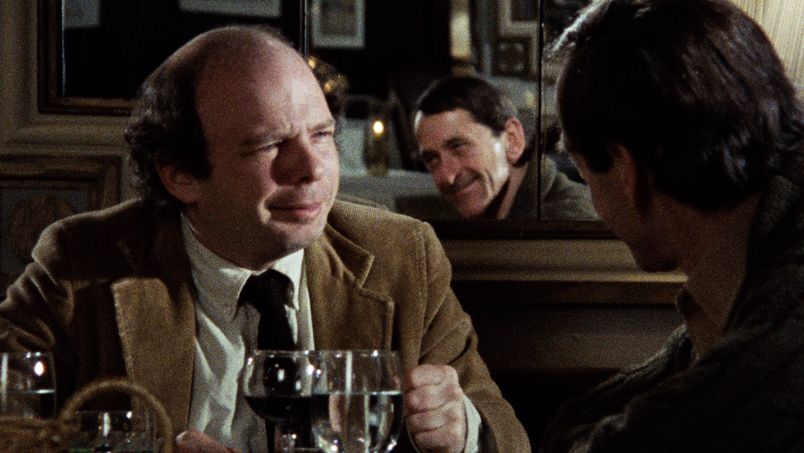
Preparing to watch the new documentary about Andre Gregory – Before and After Dinner, made by Gregory’s wife Cindy Kleine – I went back and watched My Dinner with Andre with Andy, who’d never seen it before. I hadn’t seen it since it was made 30 (?!?) years ago, and there was a lot of stuff I hadn’t remembered. I loved the movie all over again. I find Andre Gregory to be a compelling figure, even with all his craziness and grandiosity, the shots of New York City in the early 1980s (especially the filthy subway cars) are fantastic, and the conversation that he and Wally Shawn have over dinner is an extraordinarily deep, fast-paced, far-ranging one. Of course the characters are constructions. I’ve gotten to know Wally over the years – I spent several months just after My Dinner with Andre interviewing him for a profile in Esquire magazine, and I’ve followed his work as a playwright closely with much admiration. In every way, he is an enigmatic figure himself, seemingly open and extremely available and yet quite mysterious.

my dinner with andre jpeg

It’s great to view the bonus disc of additional material that comes with the Criterion Collection DVD package. There are lengthy separate interviews with Wally and Andre conducted by filmmaker Noah Baumbach that contain lots of little revelations. The restaurant in which the film takes place, ostensibly somewhere in Soho, turns out to be in Richmond, West Virginia. Andre and Wally each tell their own version of how they met, via Renata Adler. Andre: “Men tend to hide. In the movie, Wally is hiding behind silence, and I’m hiding behind words.” Wally: “I’ve always been a fearful person. I was afraid of practically everything. [In My Dinner with Andre] I wanted to destroy that guy in myself who is totally motivated by fear.” Wally also talks about how stubborn and intransigent he was with director Louis Malle when they were trying to whittle the script down to two hours from three hours. “I was very difficult, quite pedantic,” Wally says. “He never said to me, Look, you’re luck that a guy like me is even talking to you. Don’t you get it?

The new documentary about Andre is a mixed bag. I love that Cindy Kleine wanted to make a film highlighting the amazing and influential theater work her husband has done, so he’s not just seen as a kooky character actor. To my taste, though, she inserts herself into the movie too much. She barely mentions Gregory’s first wife and the mother of his two grown children. And judging from the film, she and Wally Shawn can’t stand one another. Nevertheless, she captures some beautiful passages of Andre and Wally’s theater company rehearsing their living-room production of Ibsen’s The Master Builder, and there are any number of fascinating stories that emerge about Andre’s family life and his career in film and theater.

Later this year, the Public Theater and Theatre for a New Audience will present “The Wallace Shawn-Andre Gregory Project,” full-scale productions of two of Wally’s plays directed by Andre: The Designated Mourner and Grasses of a Thousand Colours.

Culture Vulture: February 2013

February 18, 2013

2/2-9:

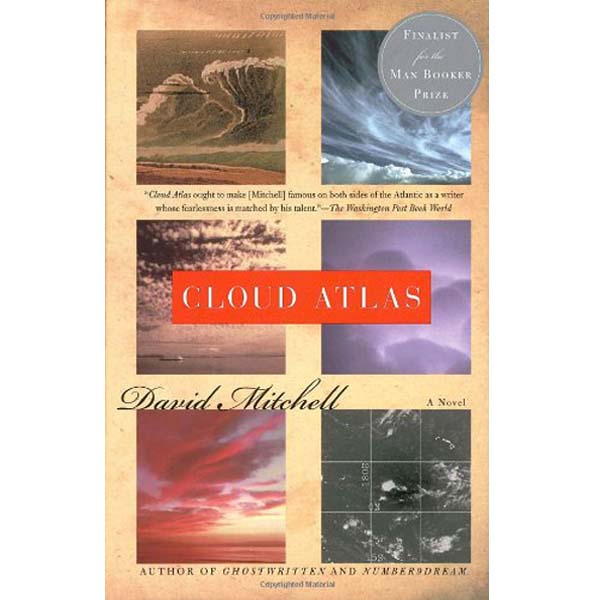
Books: during my week-long vacation in Vieques, I hunkered down with David Mitchell’s Cloud Atlas, a novel friends have been raving about for years. I wanted to read it before seeing the movie.
cloud-atlas-book-cover-01
Because six different stories travel back and forth in time, it takes a certain amount of concentration, perfect for lounging poolside in the sun in February. I liked the book and appreciated Mitchell’s clever narrative structure and imagination, though afterwards it occurred to me that almost all the stories boil down to one chase scene after another. I do look forward to seeing how it translates into a film.

DVD: the week in Vieques also gave me a chance to catch up with a bunch of screeners I’d borrowed from a movie-critic friend:

Brief Reunion – a good small psychological thriller, with a key performance by the great downtown stage actor Scott Shepherd (his first major role, I believe, and an excellent film debut — below with the movie’s central character, played by Joel de la Fuente);

brief reunion

Fairhaven – another small John Sayles-like movie about a bunch of post-collegiate friends drifting through their twenties. Curiously, an actress new to me – Alexie Gilmore – played the lead in both this and Brief Reunion;

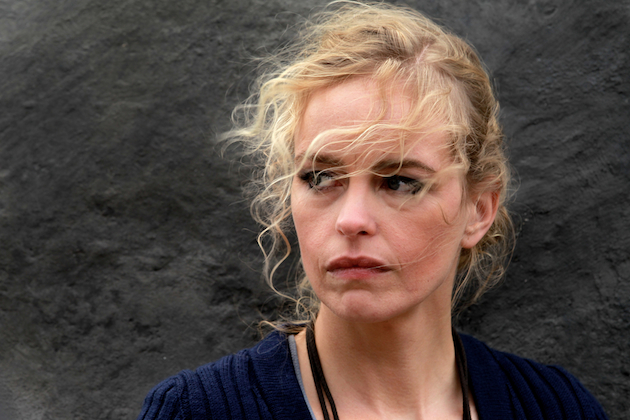
Barbara – really smart beautiful film set in East Germany before the wall came down, with an excellent performance in the title role by Nina Hoss, even though she looks quite a bit too glamorous to be playing a small-town doctor (you can’t help seeing her as a young Jeanne Moreau — see below);

BARBARA  Regie Christian Petzold
Marley – Kevin Macdonald’s documentary gives an impressive overview of Jamaican superstar Bob Marley’s short, eventful life, with a special emphasis on his extremely poor childhood. But there are lots of holes in the narratives, which is one disadvantage to the choice of relying exclusively on talking heads. There are important pieces of Marley’s story that certain people didn’t live to tell or are not willing to tell on camera;

Seven Psychopaths – I saw Martin McDonagh’s second film in the movie theater but it was interesting to watch it on DVD with a group of friends, one of whom bailed out after 15 minutes because he couldn’t handle the violence. Too bad, because the movie doubles back on itself, critiquing itself as it goes along. It’s McDonagh’s philosophical meditation on his simultaneous attraction to and revulsion against violent stories, with game comic performances by Colin Farrell, Christopher Walken, and the fearless Sam Rockwell;

Pitch Perfect – I ordered this from Netflix because Andy’s a capella singer friends recommended it, but after 15 minutes he insisted we take it off because its portrayal of college singing groups was so fake it was fingernails on the chalkboard;

Not Fade Away – David Chase’s debut as film director resonates as a highly autobiographical film about a kid who plays in a rock band in New Jersey just out of high school in the late ‘60s. That era was my childhood, too, and I loved it that all the musical references were spot-on. The movie is quirky and aggressively minor-key, with a key misstep having the main character’s younger sister provide a voiceover narration – we don’t know enough about her to trust her perspective, and it feels kinda tacked on to ward off criticism that the movie is too male-centered.

2.13.13:

TV: Girls. After watching Lena Dunham’s film Tiny Furniture a few weeks ago, I needed to satisfy my curiosity about her TV show. After two marathon evenings with the first season on DVD, I’m hooked. She’s really something – brave, quirky, real, and unafraid to expose herself, her neuroses, her imperfect body, and her generation’s peculiarly tortured dance around intimacy, romance, and casual sex. It’s a mistake to think of Girls only as the antithesis of Sex and the City just because there are four central female characters. Dunham clearly models herself on Woody Allen as writer/director/performer, with a big hit of Louis C.K. It helps to have Judd Apatow as fearless producer. The writing is pretty amazing, the dialogue is super-fast, I could barely keep up. I know we’re supposed to think that Hannah’s boyfriend Adam (played by Adam Driver, just out of Juillard

(he's on the phone with his sister)

(he’s on the phone with his sister)

with great big ears and a Marine’s washboard abs) is a dick because he pees on her in the shower and jerks off in front of her, but I think he’s an awesome boyfriend. I love any opportunity to watch Chris O’Dowd. And I love seeing David Mamet’s daughter Zosia play the super-young motormouth Shoshonah, especially the episode where she gets high at a party in Williamsburg. “I smoked crack?? Don’t tell my mother! Don’t even tell me!” One advantage to watching the show via Netflix is to gobble up the DVD extras — commentary on three different episodes and a hilarious and illuminating conversation between Dunham and Apatow. Oh, how I love hearing a successful Hollywood writer/director/producer say the word “butthole” aloud in casual conversation!

good person playbill2.16.13
Theater:
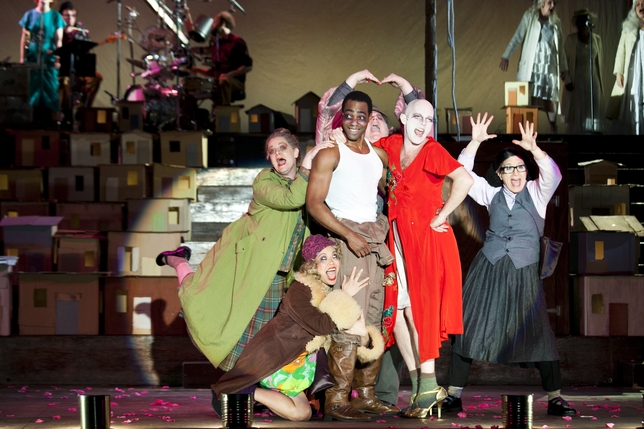
Good Person of Szechwan is another triumphant production by Melanie Joseph’s Foundry Theatre in collaboration with La Mama ETC. It’s one of Brecht’s essential texts, in which he repeatedly sets up genuine moral dilemmas – good people making bad choices and then trying to manage the consequences – and never gives definitive solutions, throwing back on the audience the responsibility to “Change the world, it needs it!” Lear DeBessonet’s lively production is Brechtian in the best sense: fun, funky, sly, surprising, shot through with music (performed live by a local skiffle band called the Lisps) and excellent comic performances. The title character is a prostitute, Shen Te, who does a kind deed for a trio of Diogenes-like gods passing through town looking for one good person. Her reward is enough money to start a little shop, which brings everyone in town to her doorstep for a handout. She’s too kind-hearted to say no, but she has enough sense to invent a male cousin, Shui Ta, who comes in and establishes order. This role is usually played by a woman who eventually dons male attire. One driving force in this production was the casting of Taylor Mac in the title role, who brings a whole other beautifully theatrical element to the gender-bending. Mac plays Shen Te with his customary bald pate and glittery eye shadow, in a red dress with hairy chest poking through (shout out to Charles Ludlam’s Camille); as Shui Ta, he wears a pinstripe suit, bowler hat, and stick-on handlebar mustache, sometimes changing in front of our eyes. (Clint Ramos’s costumes rock, as does Matt Saunders’s set, a study in the magic of cardboard.) The cast is full of downtown luminaries — Mia Katigbak, Annie Golden, and Vinnie Burrows as the gods, Lisa Kron in two contrasting roles – surrounded by a bunch of excellent game team players (I was especially impressed with David Turner as the improv-ready MC/water-seller, Kate Benson as Mrs. Shin, and Brooke Ishibashi and Darryl Winslow as utility players).

good person prodshot

The show got a rave review from Charles Isherwood in the New York Times, so the short run sold out quickly. Luckily, the Foundry added two matinees, which is how I got in. It was nice to see a heavy-duty downtown theater crowd in the audience: Jennifer Miller, Jessica Hagedorn, Mary Louise Wilson, Mac Wellman, Marc Robinson and Erika Rundle. We were handed programs leaving the theater, and my appreciation for the production extended to reading the program notes later. In the spirit of Brecht’s frank matter-of-factness about economics, the program includes a detailed production budget – first time I’ve ever seen that! Melanie Joseph is an amazing producer. Also, this was one of the rare productions where I found myself wondering who the dramaturg was who wrangled this translation (by John Willett) and helped the director keep everything fresh — the answer is Anne Erbe. Good work, Anne!

good person budget

2.17.13

Film: I guess because I once wrote an admiring article about Christopher Shinn’s first produced play Four, I got multiple invitations to the screening of the film version at BAM’s Rose Cinema, as part of the 3rd Annual New Voices in Black Cinema Festival, from the first-time director Joshua Sanchez and the producer Allen Frame (an old friend and associate from Soho News days).  Four tells two parallel stories – on a steamy Fourth of July night, a middle-aged black man named Joe hooks up with June, a white teenaged boy he met online, and his daughter Abigayle slips out from taking care of her sickly mother for a tryst with Dexter, a jivey jock who wishes he were black. The play is a yearning young man’s tale about that time (those times) in your life when people keep asking “What do you want? Where do you want to go?” and the only honest answer is a desolate howl of “I don’t knoooooooooow!” The movie captures all that yearning and awkwardness, with an especially good understated performance by Wendell Pierce in the trickiest part of Joe, the father. The movie felt a little slower and more ponderous than it needed to be. And I have strong memories of the original stage production, in which Dexter was played by a skinny white redhead; E. J. Bonilla in the role doesn’t really read as white, so his wannabe status is muted. Those are small points, though. It’s a nervy little art film that has the courage to zero in on a couple of heated pockets of psycho-sexual ambivalence.

Four-Joshua-Sanchez


Culture Vulture: January 2013

February 18, 2013

1.29.13 –

Theater: Nature Theater of Oklahoma, founded by Pavol Liska and Kelly Cooper, is definitely one of the most compelling downtown theater ensembles these days. I saw their first two productions (a very condensed Three Sisters at CSC and the four-hour No Dice, produced by Soho Rep), and I find their mission statement extremely beguiling. “NTOK has been devoted to making the work we don’t know how to make, putting ourselves in impossible situations, and working from out of our own ignorance and unease. We strive to create an unsettling live situation that demands total presence from everyone in the room. We use the readymade material around us, found space, overheard speech, and observed gesture, and through extreme formal manipulation, and superhuman effort, we affect in our work a shift in the perception of everyday reality that extends beyond the site of performance and into the world in which we live.”

life and times

I knew I didn’t have the stamina for all ten hours of their most recent four-part show, Life and Times, produced at the Public Theater’s Under the Radar Festival in conjunction with Soho Rep, but I thought I could deal with at least the four hours of Episode 1. Alas, I only made it through half. I saw what they were doing – got the Gertrude Steinian continuous present, locating the world in mundane speech (the text is based on a lengthy interview with a woman telling the story of her extremely ordinary life in great excruciating detail); got the Brechtian staging; got the Jan Fabre-like concept of putting performers through a boot-camp-like physical ordeal. But setting the banal text to music – every ah, um, you know – was deadly.

Restaurant: Decamping at intermission provided the occasion to check out Aroma Wine Bar around the corner on East Fourth Street, where I had a delicious bowl of unusual pasta (strascinati with wild mushroom sofritto and spicy lamb sausage) and a glass or two of a rugged Pugliese red wine new to me.

puglia wine
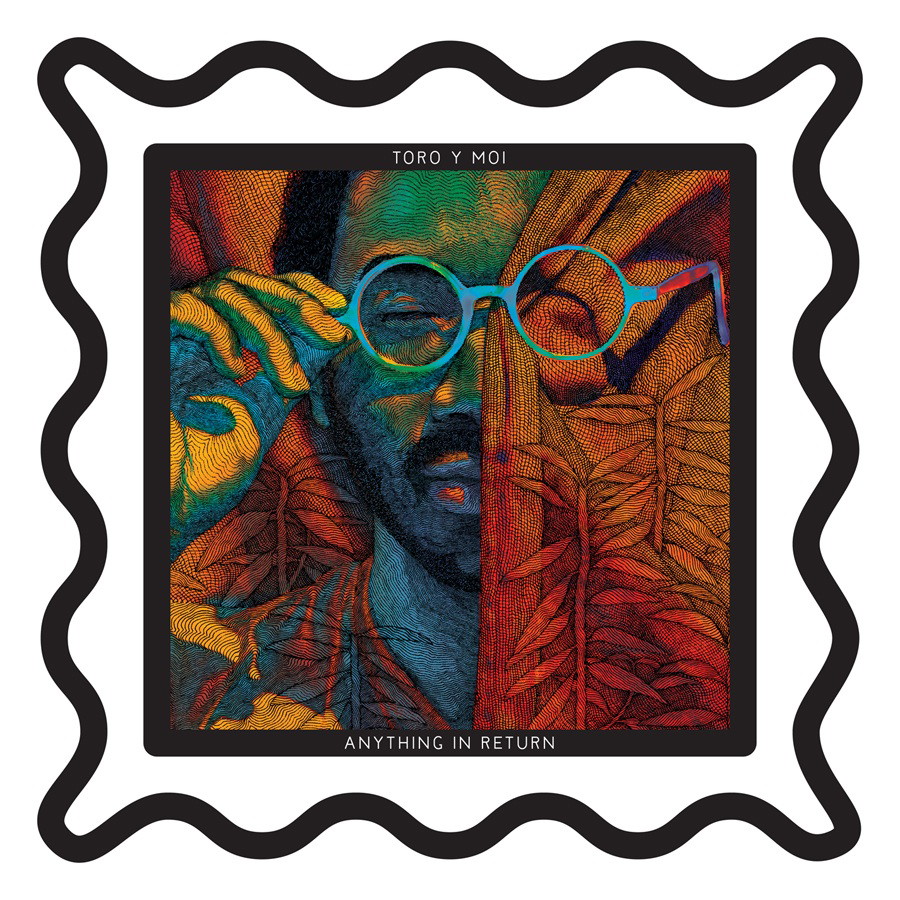
Music: While I was in the neighborhood, I exercised my nostalgia for record stores and stopped into Other Music, still going strong after all these years, and found myself buying the latest album by Toro y Moi (aka Chaz Bundick), Anything in Return. Fun, sonically rich pop tracks with the kind of lovely vocal harmonies that always get labeled Brian Wilson-esque. The lyrics don’t stand up to close scrutiny but I can attest the album supplies an excellent soundtrack for getting stoned and having sex.
AIR_cover1.30.13

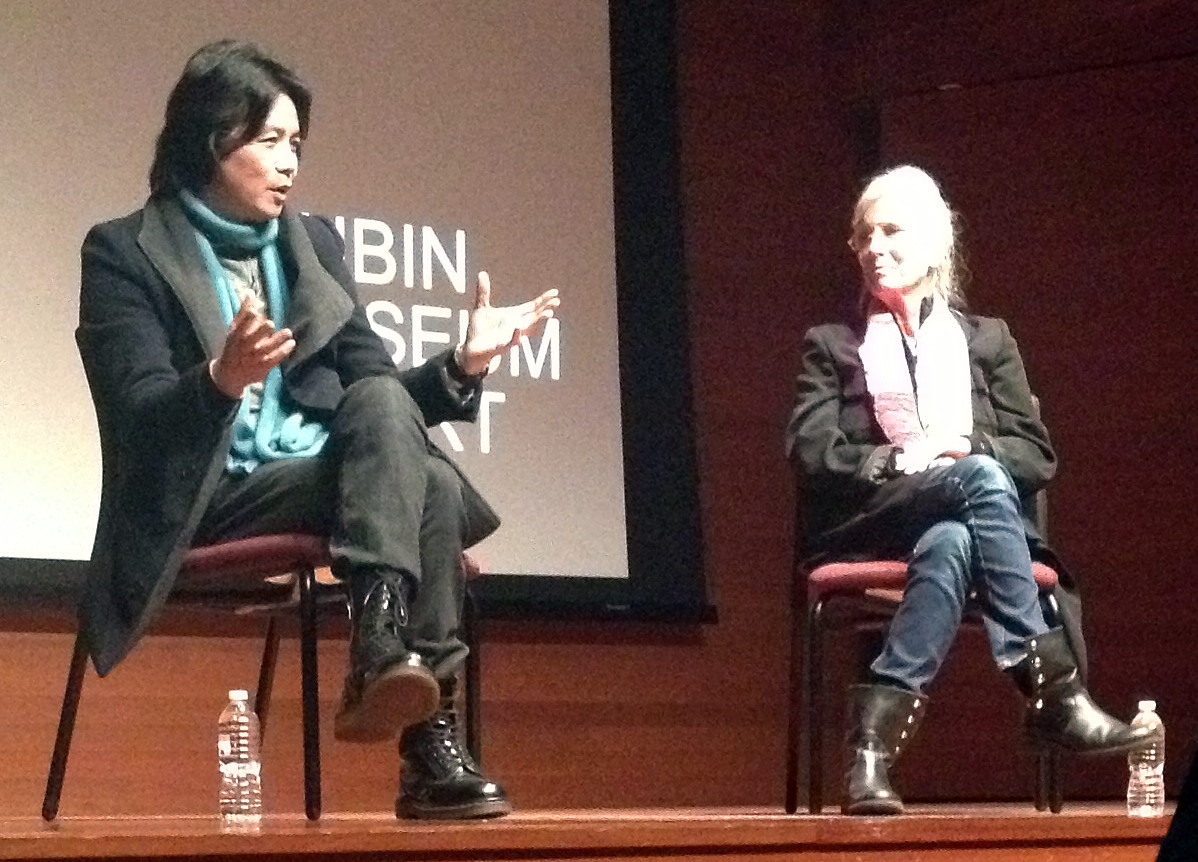
Film: The Rubin Museum presented a special screening of Sherwood Hu’s film adaptation of Hamlet, Prince of the Himalayas. I took a special interest because the Rubin’s whip-smart curator Tim McHenry booked the Wooster Group’s Elizabeth LeCompte to have a conversation with the director after the screening. I had the thrill of sitting between Hu and LeCompte (below), who was there with her own Hamlet, Scott Shepherd. The movie was fantastic, provocative and revelatory – Hu drew out interpretations of the story no one else ever has. Most notably: the reason Gertrude married Claudius so quickly after her husband’s death is that they’d been lovers before Gertrude’s marriage, and Claudius killed him because he was abusive to Gertrude. And Ophelia dies in the river (here a lake) giving birth to Hamlet’s son, who turns out to the title character. Set in ancient Tibet and shot on location mostly outdoors, the film is ravishingly beautiful and very well-performed. In the interview afterwards, though, the director came off badly. LeCompte kept asking him excellent questions, and he kept giving generic, bland blah-blah-blah answers; she was very persistent and kept asking him again, to no avail. And of course in her modest but unerring way, she noted that the child might have received a very different reception had it been a girl.

hu and lecompte1.31.13

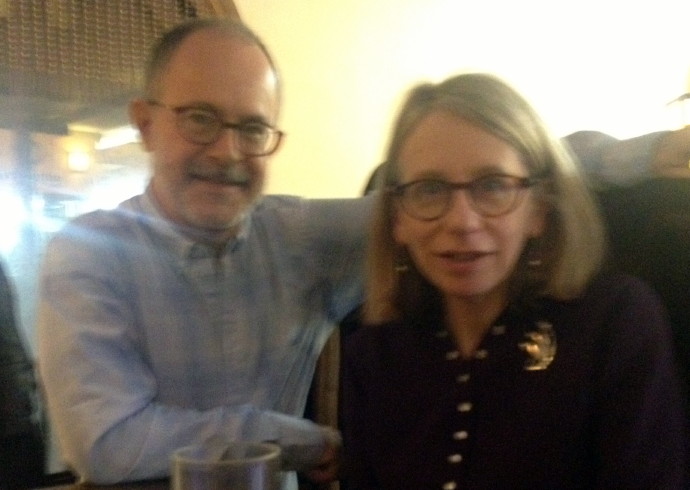
Restaurant: I had a lovely dinner with New Yorker cartoonist Roz Chast, whom I’ve known since I did a cover story for Soho News about her in 1980. I was happy to turn her on to one of my favorite restaurants in my neighborhood, Radiance Tea House on West 55th Street, with its yummy dumplings, rice bowls, and spectacular menu of Chinese teas.

me and roz

Theater: I’d never seen or heard any version of Fiorello! so was delighted to accept a friend’s invitation to the Encores revival at City Center. Unfortunately, we arrived a little before 8 and the show had started at 7:30, so we missed a few scenes. For all its reputation as Pulitzer Prize-winning musical, I found Jerome Weidman and George Abbott’s book pretty thin and the Bock and Harnick score only medium. Danny Rutigliano made a strong impression as the Little Flower hisself, Kate Baldwin did a lovely rendition of the sweetest ballad (“When Did I Fall in Love?”), and Erin Dilly and Jenn Gambatese stood out among the rest of the ensemble.