Archive for the 'Culture Vulture' Category

Culture Vulture: THE LAST SHIP, INDIAN INK, BIRDMAN, James Hillman biography, and more

November 5, 2014

THEATER

10.5.14: SCENES FROM A MARRIAGE at New York Theater Workshop. My taste for Ivo van Hove’s stage adaptations of classic films and plays has not yet reached its capacity. His staging of Ingmar Bergman’s epic drama (which I hadn’t seen or really thought about since the made-for-Swedish-TV film came out in 1973) once more reinvented the insides of New York Theater Workshop, creating three separate playing spaces that the audience cycled through for the first three scenes; after a lengthy intermission, we returned to one big space for the final long collage sequence. Casting three very different couples in the roles originally played by the great Liv Ullmann and Erland Josephson acknowledged the truth about long relationships – they go through so many phases and stages that who you are when you started doesn’t look much like who you are at the end. Among the mostly admirable performances, Arliss Howard and Tina Benko (below) were most consistent as the oldest of the three
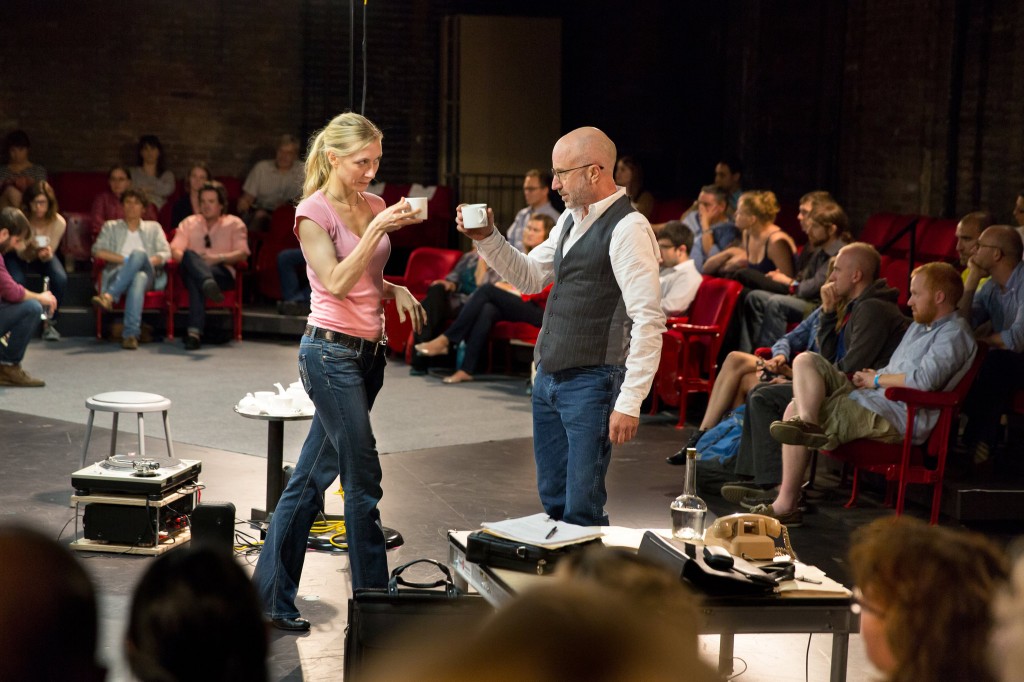
scenes from a marriage

couples, though I also thought Alex Hurt (William Hurt’s handsome son) and especially Susannah Flood were awfully good as the youngest, and the great downtown actress Mia Katigbak practically blew them all off the stage with her two different cameo roles. I’m always intrigued by the music van Hove chooses to flood his productions, but the one clunky note here was having Arliss Howard flit about at the very end of the show to the tune of “The Windmills of Your Mind” sung by Noel Harrison – but I guess it wouldn’t be a van Hove production without some unacceptable bit of eccentric perversity. Playwright and director Emily Mann supplied the very playable English adaptation.

10.8.14 : THE TEMPEST at La Mama ETC. The unusual constellation of director Karin Coonrod, composer Elizabeth Swados, and leading actor Reg E. Cathey as Prospero drew me to La Mama for the first of three variations on Shakespeare’s play, the whole series loosely inspired by Hurricane Sandy and its ongoing impact on the NYC area. Sadly, this was the driest, least magical Tempest of my theatergoing experience. Coonrod’s strict structuralist intellect drained all the juice from the play, leaving the actors stuck on the chalk outlines of a set making blahblahblah of their lines. Two redeeming graces: the witty idea of having the male nobility distinguished by wearing high-heeled white pumps (some of the actors more comfortable in them than others), and the singularly galvanic performance by Slate Holmgren as Caliban (below with Tony Torn’s Stephano), played by a white man, for a change.
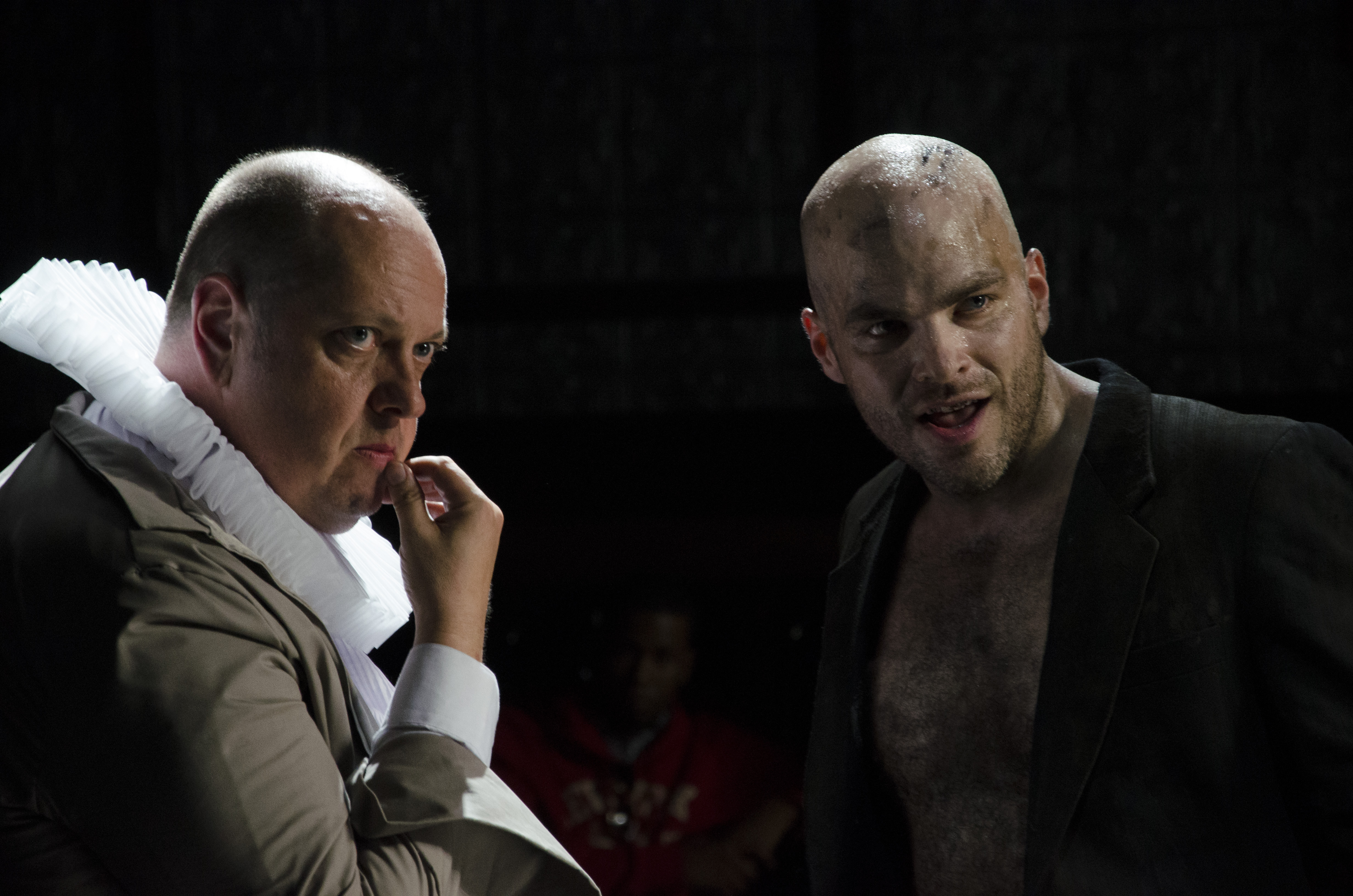
tempest torn and holmgren

10.11.14: THE LAST SHIP at the Neil Simon Theatre. I don’t have a lot to add to the critical consensus on the show, which is that Sting did a lovely job at creating a theatrical score that both works dramatically AND sounds like his own musical voice, rather than generic Broadway tunesmithing. The book is the weakest part of the show – there are huge gaps where information and narrative logic are missing, possibly the result of Brian Yorkey starting the job and John Logan finishing it. But there are some lovely performances (Rachel Tucker as the female lead stood out for me), continuously captivating choreography (more like stylized movement) by Steven Hoggett, and a wonderfully monumental set by Mr. David Zinn.

10-11 last ship pre-set

I walked out of the theater with two songs stuck in my head – one that  had been there before (the beautiful “When We Dance,” repurposed for the show from a Sting album), and the shipbuilders’ stomp, “We Got Nowt Else.”

IndianInk_700x700

10.30.14: INDIAN INK at the Roundabout Theater Company. I don’t understand why it took so long for this rich, dense feast of a Tom Stoppard play to get a major production in New York, but I’m glad it finally came about. Written around the same time as The Invention of Love and Arcadia, two of Stoppard’s best works ever, Indian Ink shares with those plays a simultaneous existence in two time periods. In 1980s England, Eleanor Swan, an aged widow (played by the resplendent Rosemary Harris), sorts through correspondence with her sister Flora Crewe, a poet whose brief and adventure-filled life ended from tuberculosis in India in 1930 (she’s played by Romola Garai, new to me – not the only actress in the world who could play such an extravagant part but damned impressive). Entertained by romance and intrigue, we also learn a lot about British colonialism, Indian sectarianism, painting and poetry, biography and secrets. It’s well-staged by Carey Perloff on Neil Patel’s simple colorful sets with excellent costumes by Candice Donnelly and notable performances by Firdous Bamji as a modest yet ardent suitor for Flora’s affection and Nick Choksi as an effervescent tour guide. This show seems to have slipped in under the radar – there’s not a lot of chatter about it, in the shadow of the fall’s major Broadway openings – but I highly recommend not missing it.

10.31.14 THE FORTRESS OF SOLITUDE at the Public Theater. The Public Theater’s recent track record and the score by prolific and fertile Michael Friedman (Bloody Bloody Andrew Jackson, Love’s Labours Lost) lured me in to Itamar Moses’s adaptation of Jonathan Lethem’s novel about the friendship between a white kid and a black kid growing up in Brooklyn in the late ‘70s and early ’80s. It’s an ambitious and sprawling work, musically and narratively and scenically, but not very much of it landed with me, except at the very end, when I felt the pain and anguish of the gap between the boyhood friends – the white guy (Adam Chanler-Berat) whose education and privilege took him away and up, and the black guy (Kyle Beltran) unable to escape the confinement of his family’s collapsed legacy. Staged by Daniel Aukin, the show felt like the hetero male version of Fun Home, but without nearly as much fun.

fortress of solitude

MOVIES

Days and NightsStage actor Christian Camargo’s debut as film director came and went in a flash, but for theater buffs it’s definitely worth tracking down when it becomes available to rent or stream. It’s an inspired contemporary adaptation of Chekhov’s often-performed, often-adapted, yet never-exhausted tragicomedy about theater people summering in the country. The movie got wretched reviews from film critics, maybe because to appreciate the movie at all you pretty much have to know Chekhov’s play chapter and verse. Since it’s my favorite play in the world, I guess I’m among the small but hardy ideal audience for the film, which features a magnificent array of New York stage actors: Alison Janney (in the Arkadina role), Camargo (in the Trigorin role), Ben Whishaw (as the Treplev character), Juliet Rylance (as Nina – she’s Camargo’s wife and not an actress I care for), her father Mark Rylance, Cherry Jones, William Hurt, Jean Reno, Katie Holmes, Michael Nyquist, and Jean Reno (star of The Artist). You can watch the trailer here.

Days_and_Nights_1

Birdman, or The Unexpected Virtue of IgnoranceI remember walking by the St. James Theater on West 44th Street one night and seeing the marquee for Riggan Thompson’s stage adaptation of Raymond Carver’s What We Talk About When We Talk About Love and vaguely understanding it was a set for some movie. What fun to learn that the entire film pretty much takes place in and around that exact theater, where Michael Keaton’s character, a Hollywood actor burned out on the superhero movie sequels that made him famous, attempts to reinvent himself artistically. I haven’t been a huge fan of Alejandro González Iñárritu’s films but this one was a gas, and of course it didn’t hurt for the cast to include not only the excellent Edward Norton,

_AF_6405.CR2

Zach Galifianakis, Emma Stone, and Naomi Watts but wonderful New York theater actors like Bill Camp, Merritt Wever, Amy Ryan (I guess she belongs to the world now), and playwright Stephen Adly Giurgis. The one scene that seemed stupid and gratuitous was the Keaton character’s confrontation in a bar with the New York Times theater critic who snarls, “I’m going to destroy your play” – even played by the superb Lindsay Duncan, that character doesn’t fly. The scene comes off as a movie director’s tirade against Manohla Dargis that’s been stored up for years.

BOOKS

The Life and Ideas of James Hillman Volume I: The Making of a Psychologist by Dick Russell doesn’t automatically sound like perfect reading for a ten-day retreat in the Amazonian rainforest jungle, but it turned out to be ideal for me. Modeled perhaps on Richard Ellmann’s magnificent biography of James Joyce (a hero of Hillman’s), Russell’s doorstop of a book (678 pages including back matter and pages of footnotes after every chapter) runs on scrupulous research and encyclopedic detail parceled out in short titled subsections across 15 chapters, making for compulsive and highly entertaining reading, especially for me, having slightly known and massively revered Hillman in his later years. This first of two volumes only covers barely half of Hillman’s life, from his birth in Atlantic City in 1926 to 1969, when he was driven out of his post as Director of Studies at the Jung Institute in Zurich (the details of which I never knew – a suitable if sordid climax to the book). Lots of other stuff I didn’t know: what an aristocratic family he came from, anything about his first marriage to a wealthy Swedish woman who was the mother of his four children, even what a late bloomer he was, professionally. Russell carefully and beautifully unpacks the slow, unsteady making of a thoughtful writer and revolutionary thinker through many wanderjahren and entrepreneurial publishing dead ends. Needless to say, I’m chomping at the bit to read volume 2, even though I know it won’t see light of days for a few years still.

james hillman bio

TELEVISION

olive-kitteridge-poster

Olive KittredgeI’ve long been a fan of lesbian filmmaker Lisa Cholodenko’s movies (High Art, Laurel Canyon, The Kids Are Alright), and who doesn’t love Frances McDormand? The four-part HBO series, adapted by Jane Anderson from a novel by Elizabeth Stout, is the kind of tour de force we haven’t seen McDormand in since she first made an unforgettable splash in Fargo. She plays a crusty, unrelievedly unpleasant schoolteacher in small-town Maine, married to a mild-mannered pharmacist (the great Richard Jenkins) with whom she has a hyper-sensitive son (the grown-up version is played by John Gallagher, Jr.), both of whom she treats fairly brutally. She does also have a soft spot in her heart for wounded birds, especially the suicidally depressed, whom she considers kindred spirits. But her flashes of kindness are unpredictable and usually short-lived. Classic line: “I’m waiting for my dog to die so I can shoot myself.” At first I wasn’t sure I could tolerate four hours of Olive’s miserable personality but the performance is beautiful and uncompromising, and the production is high-quality all round. I especially loved the final episode, in which Olive forges a testy friendship with a widower played by Bill Murray. Looking at these two amazing actors with these amazing now-aged lumpy, wrinkled, characterful faces – in HIGH DEFINITION – was surprisingly exhilarating. I would love to see them do Happy Days. I would love to see Bill Murray do anything by Beckett.

olive-kitteridge-teaser

Photo diary/Culture Vulture: Jeff Koons at the Whitney Museum

October 4, 2014

(click photos to enlarge)

Parental Advisory: there is at least one photo below that is NOT appropriate for viewers under 18. NSFW. Be forewarned! Scrolling further down this feed means that you agree that you are over 18 and agreeable to viewing explicit sexual images.

Andy and Ben and Tom and I made an expedition to see the Jeff Koons retrospective at the Whitney Museum last weekend. It was about what I expected. A lot of Koons’ work is monumental and jokey, an elaborate but pretty obvious commentary on art history and practice, like this reference to Michelangelo’s David, with the naked male figure’s modest genitals and disproportionately large hand.

005

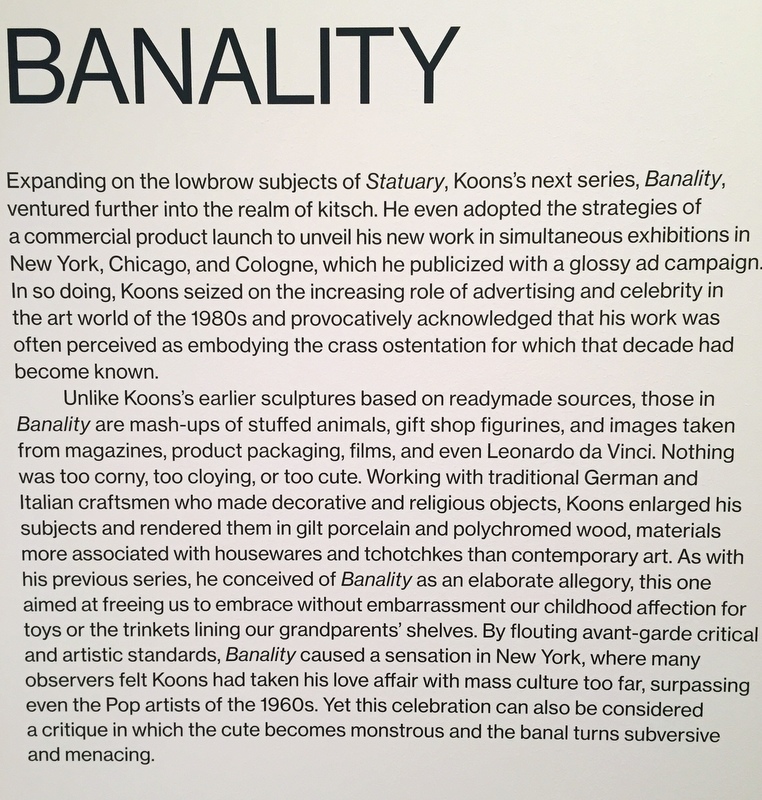
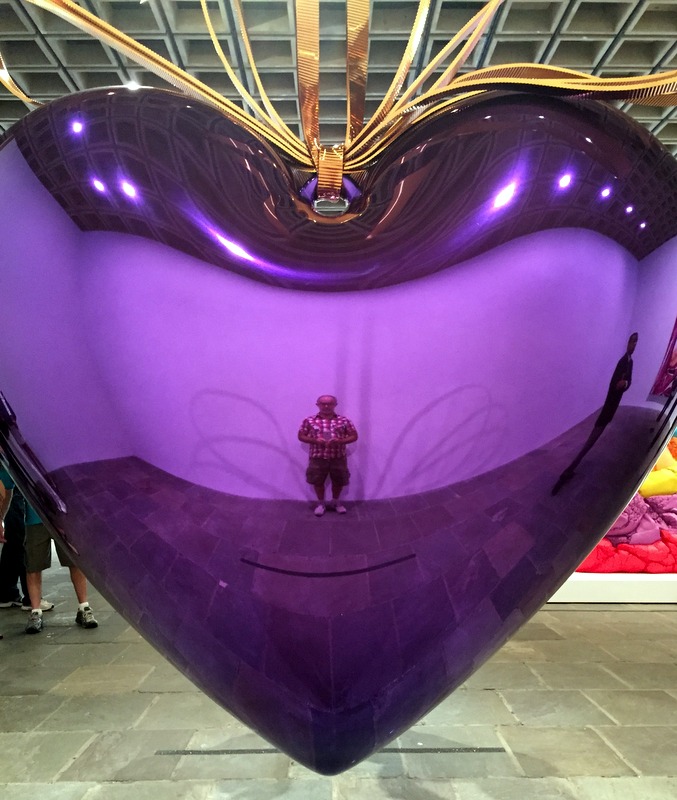
But a lot of Koons’ work trafficks openly and unapologetically in banality as commentary on contemporary American consumer culture, like this porcelain sculpture of Michael Jackson and his pet chimpanzee, Bubbles (one of Koons’ most famous images):

9-28 michael jackson

The artistic ethos gained currency in the early 1980s, embracing kitsch with a deadpan attitude, both mocking and celebrating it.

9-28 banality

Sometimes there is genuinely admirable craftsmanship at work, as in this gargantuan and deceptively difficult to produce sculpture of a cat on a clothesline:

9-28 cat on clothesline

But a lot of it just seems cutesy and not especially witty to me.

010
The segments of this show exhibiting big chrome balloon toys and collages riffing on images from antiquity struck me as inferior to the survey of similar pieces that the Gagosian Gallery showed last year.

022

Of course, perv that I am, I was most drawn to the pieces Koons made during his tempestuous marriage to Ilona Staller, a beautiful and well-known Italian porn star whose nom de porn is La Cicciolina. They collaborated on a notorious show called “Made in Heaven” that featured a lot of hardcore photos and artwork featuring the two of them in flagrante.

Okay, here come the images I warned you about. No kids past this point.

If you’re reading this at work, with someone looking over your shoulder, you might not want to scroll any further.

These are shown in galleries that have parental advisories very discreetly posted. I found this crystal sculpture kind of witty.

9-28 crystal fucking

Whereas this just seems both funny and hot, especially considering that someone has the job of guarding it all day:

9-28 ilona's asshole guard

9-28 made in heaven

As a major museum retrospective, the Koons show wasn’t especially nutritious. We needed to check out the selection from the Whitney’s permanent collection on the top floor and on the mezzanine, which included an excellent Basquiat, Hollywood Africans:

027

as well as a beautiful Calder wire likeness of French modernist composer Edgard Varèse, always championed by Frank Zappa, whose early albums quoted Varèse’s motto: “The present-day composer refuses to die!”

029

Culture Vulture: VIOLET, ALL THE WAY, THE CRIPPLE OF INISHMAAN, TOP OF THE LAKE, NORMAL HEART, and Roz Chast

May 22, 2014

THEATER

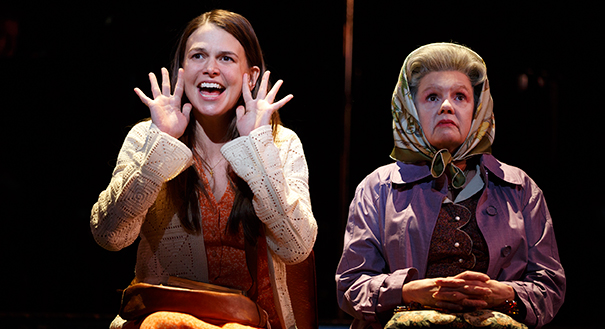
5.9.14 – VIOLET – I’m a huge fan of Jeanine Tesori (Caroline, or Change, Fun Home), and I’d only heard the original cast recording of the 1998 premiere at Playwrights Horizons of her first musical, Violet. The Broadway revival at the Roundabout Theatre stars Sutton Foster as a woman horribly disfigured by her father in an ax-wielding accident as a child who take a cross-country bus trip to ask a TV preacher to give her a beautiful movie-star face. It’s a thoughtful, detailed short story of a musical (played without intermission) but for me it never really took off, either emotionally or musically. I did enjoy the performances in several small roles by the great character actress Annie Golden (below, with Foster) and Rema Webb as the gospel singer Lula Buffington who almost but not quite raises the roof.

VioletBway06_605x329

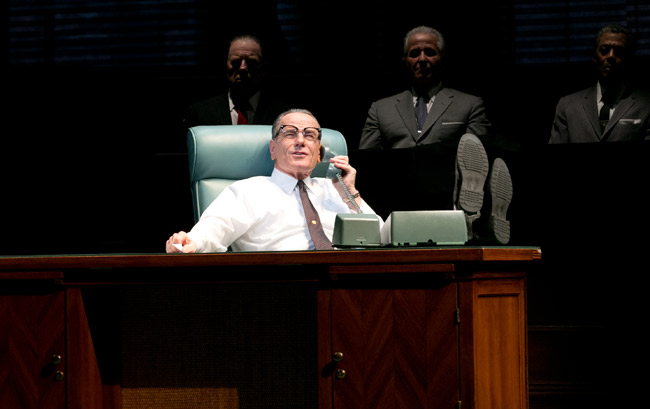
5.14.14 – ALL THE WAY – I’d heard Robert Schenkkan’s play about President Lyndon Johnson’s push to pass the Civil Rights Bill of 1964 was long and shouty, so I wavered about going until my friend Misha Berson, in town seeing shows for her gig as theater critic for the Seattle Times, generously took me along as her guest. I was happily surprised at how good the play is. It’s very similar to Tony Kushner’s screenplay for Steven Spielberg’s movie Lincoln, in that it spends most of its running time focused on the minutiae of Washington politics, how bills work their way through Congress, and the machinations and back-channel dealing that goes on.

All-The-Way_650
I wasn’t so impressed with Mr. Breaking Bad Bryan Cranston’s performance, which was too shticky by half, but the story kept me rapt, if at times appalled to the point of furious tears, hearing the most disgusting racist sentiments delivered as Senate testimony in my lifetime. Ugh. Bill Rauch of Cornerstone Theater did a fine job casting and staging a large company of actors. Some performances I especially enjoyed included Michael McKean as J. Edgar Hoover and Brandon J. Dirden as a dignified yet remote Martin Luther King.

5.15.14 – THE CRIPPLE OF INISHMAAN – I love Martin McDonagh’s plays, and I’d seen this one twice before, its American debut at the Public Theater directed by Jerry Zaks and a spectacularly good revival at the Atlantic Theater Company staged by Gerry Hynes with a largely Irish cast. Andy’s a fan of McDonagh’s hilarious film In Bruges but had never seen his work onstage, and I thought this would be a dandy introduction, an acclaimed London production directed by Michael Grandage and starring Daniel Radcliffe. Ehhhhh, not so much. Radcliffe is an absolute non-starter in the title role, dull and unimaginative even in the way he plays Cripple Billy’s physical disability. None of the other actors met or matched my fond memories of earlier productions, although I did enjoy Sarah Greene as Slippy Helen (below). Which left only the play to enjoy, with its insane deadpan repetition and whiplash plot turns, from high comedy to melodrama and back.

Cripple

TELEVISION

TOP OF THE LAKE – Casting about for something to try out on my new Apple TV device, I remembered that Emily Nussbaum in the New Yorker had good things to say about the BBC mini-series conceived and directed by Jane Campion, a filmmaker whose work I’ve admired for its narrative eccentricity and visual boldness if not always loved. There were almost immediately a bunch of things I found highly implausible about the main character played by Elisabeth Moss, a young police detective on a hometown visit to her ailing mum who suddenly takes over the investigation of a missing teenager and starts bossing around the local police force. But damned if I didn’t get hooked on the thing and ended up watching all seven episodes with its relentlessly grim arc about the horrible exploitation and mistreatment of women by slickly corrupt cops and gnarly local violent maniac meth-dealers.

Picture shows: G,J (HOLLY HUNTER)
Mostly I became intrigued by the subplot of an encampment of damaged women presided over by their guru-who-claims-not-to-be-a-guru, an Asperger’s-like savant named GJ played by Holly Hunter with long gray Jane Campion hair and a compelling, brusque affectlessness. The community of women she shepherds are a crazy, individual assortment even more fleetingly and quirkily depicted than the gals on Orange Is the New Black – we learn almost nothing about them, which of course makes each scene with them riveting. It’s sort of Prime Suspect set in the back woods of New Zealand, though Moss’s character is way more flawed and not nearly as great as Helen Mirren’s.

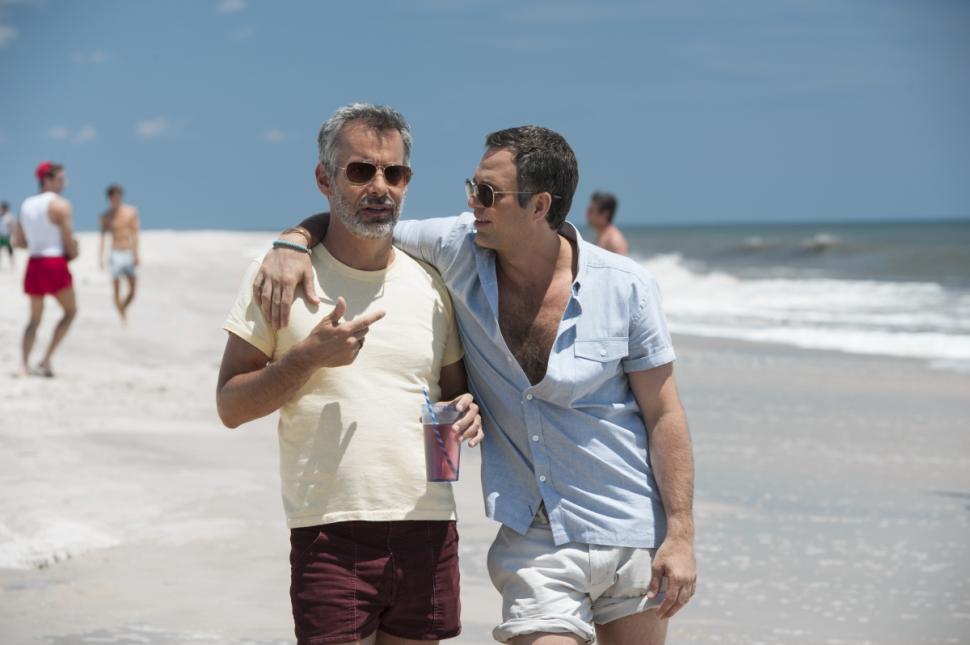
THE NORMAL HEART – I am astonished at how well Ryan Murphy managed to pull off the long-awaited HBO film of Larry Kramer’s incendiary historical play about love, community, and politics in the early days of the AIDS epidemic. Having seen the original production and the revival at the Public Theater as well as the Broadway production two seasons ago, I really didn’t know if I had the emotional stamina to revisit those horrendous mid-1980s years of catastrophe, loss, helplessness, and fury. Yet with Murphy’s coaching, Kramer extensively revised and expanded and deepened his play so that it becomes a much more generous portrait of the time and the gay male community in New York, not so much a self-righteous screed about how right he was and how wrong everyone else was.

normal20tvf-1-web

Aside from the fact that (like every other actor who’s played the part) Mark Ruffalo is ten times better-looking than Larry Kramer ever was, his performance is excellent and honest, as are many of the supporting players (including Joe Mantello as Mickey, above with Ruffalo) and Jim Parsons, reprising his Broadway role as Tommy Boatwright). I watched a screener of the HBO show with five friends, we barely breathed while it was playing, and we had a good heartfelt conversation about it afterwards.

BOOKS

CAN’T WE TALK ABOUT SOMETHING MORE PLEASANT? is Roz Chast’s brave, hilarious, sad graphic memoir about ushering her parents through the last few years of their lives. I’ve always taken Chast’s cartoons in the New Yorker depicting the neurotic fearfulness of her family as comic exaggeration. But here she documents with unsparing detail her parents’ devotion to each other, their denial about aging and sickness, her father’s monumental anxiety, her mother’s domineering and punishing personality, and her own alternately meek, loving, exasperated, and calculating efforts to please and care for them.

roz chast memoir excerpt

Culture Vulture: Nina Simone, The Grand Budapest Hotel, Edmund White, and ROCKY, et al.

March 15, 2014

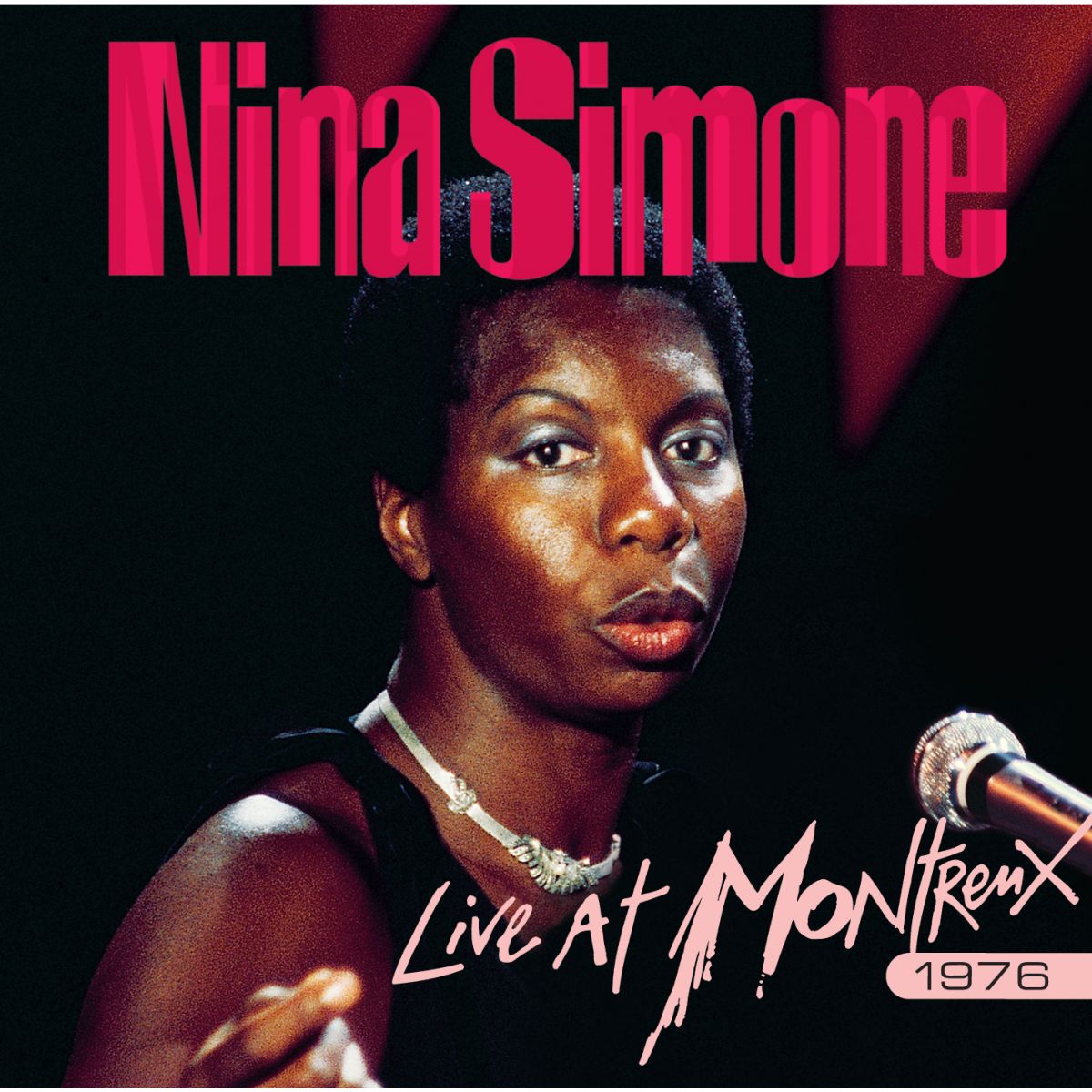
nina simone
VIDEO:
Nina Simone Live at Montreux 1976 – by chance someone posted on Facebook a link to a YouTube clip from this concert, her rendition of Janis Ian’s “Stars,” with a long spoken introduction. It was so riveting I had to buy the DVD. The concert is simply astonishing. (You can watch the whole thing online here.) Her musicianship is breathtaking, yet at the same time it is patently obvious that she is out of her fucking mind. Only after she died did the biographies reveal that she suffered from bipolar disorder. This concert could be used in medical schools to teach psychiatrists what that looks like. She free-associates, begins diatribes, catches herself, disappears very deeply into her stony face and fathomless eyes. Very disturbing and painful to watch, and yet you walk away dazzled that someone so deeply wounded and ill could even be up walking around, let alone play music like this. She only does six numbers in the hour-long concert, none of them bearing any resemblance to anything she put out on records. There’s a twenty-minute version of “Little Girl Blue” and a vamp she picks up from her drummer and turns into its own song that she gets up and dances to. The bonus material includes six songs she performed at the jazz festival other years.

FILM: The Grand Budapest Hotel – Wes Anderson’s movies are the epitome of twee, but you will not hear any complaint from me about that. I have enjoyed most of his curious, fast, absurdist, huge-cast epic capers (especially The Life Aquatic with Steve Zissou, Moonrise Kingdom, and The Fantastic Mr. Fox), and this one is no exception. One yummy brief performance after another (Harvey Keitel! Tilda Swinton! Edward Norton! Willem Dafoe! Bill Murray! Adrian Brody! Larry Pine! Casting by Doug Aibel, of course) but deeply appealing leading performances by Ralph Fiennes and his adorable Lobby Boy, Tony Revolori. It’s wildly whimsical yet inspired by the real-life absurdist tragedy of war-torn 20th century Europe, especially the work of Stefan Zweig.

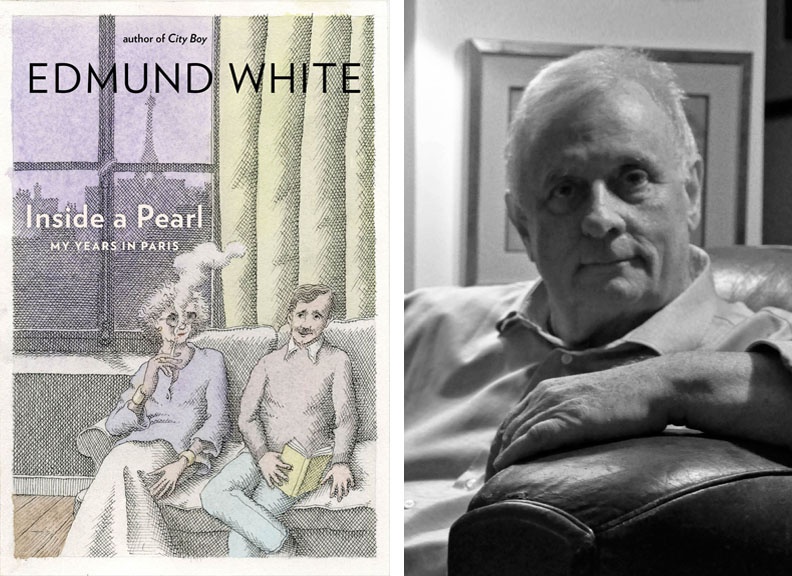
inside a pearl

BOOKS: Edmund White’s Inside a Pearl: My Years in ParisWhite’s latest memoir is a daredevil act of personal narrative, loosely organized as a portrait of his friendship with Marie-Claude (MC) de Brunhoff, a critic and translator, but branching out to reminisce and gossip about every fascinating character he encountered in the 15 years he lived in the French capital. It is gossipy, loving, self-revealing, shrewd, and beautifully written. A few choice tidbits:

  • one of his boyfriends, John Purcell, carried White’s novel A Boy’s Own Story around for a month but never got beyond page 10. “He said he was dyslexic, the vogue word of that decade for lack of literary curiosity, just as attention deficit disorder is the term now.”
  • “I guess I define intelligence as the power to make new, surprising, wide-ranging associations and never to rely on automatic, untested generalities.”
  • On the ultimate wisdom and generosity of polyamory: “Who were the members of Bernard [Minaret]’s salon? One was Jacques Fieschi, a successful writer of film scenarios who was also an amateur boxer (he had the smashed-in nose to prove it). Jacques had been Bernard’s lover for many years, then fell for Claude Arnaud. Rather than losing Jacques in a fit of jealousy, Bernard decided to ‘take the couple’ and so he moved Claude in. In that way he was like Cocteau, who, learning that his longtime lover – the much younger movie star Jean Marais – had fallen for a lifeguard, Paul Morihen, set his rival up in business as the proprietor of a bookstore downstairs from his apartment in the Palais-Royal, thereby extending his family by one member rather than diminishing it to zero.”
  • “In those days, sex dates in the gay world were made on telephone party lines. We taught [a female friend] to call out, ‘Bouffeur de cul cherche cul’ (‘Ass eater is looking for an ass’) over a gay party line and she said it in the voice of a raw teenage boy from the suburbs.”
  • “Outside I was as gushy as my Texas mother and inside cold and calculating.”
  • “I had been influenced by Nabokov’s observation that if he wanted to see whether a novel was a crappy best-seller, he’d just flip through it and if he saw too much dialogue, he knew it wasn’t for him. He reasoned that since dialogue always sounds alike, the writer couldn’t establish his own special tone if he handed the book over to his characters and their banal yammering.”
  • On the short-lived pre-internet/smartphone technology Minitel: “The cruising facility was the ligne rose (pink line), where users typed out their preferences for all to see. It took some doing to learn the abbreviations. JhCh TBM pour plan hard, pour SSR, look Santiag meant ‘Young man (Jeune homme) looks for (cherche) a very handsome guy (trés beau mec) – or, alternately, very well-hung (trés bien monté) – who wants rough sex (plan hard) and safe sex (sexe sans risqué) who wears Western-style cowboy (“Santiago”) boots.’”
  • “I now had a fatal Old World sense of conversation – that it should be exciting and frivolous and provocative and preferably scandalous. I’d mentally prepare two or three hot topics before every evening. But my style was withering to Americans, who like to graze peacefully in conversation, and my ‘sparkling’ style inhibited general conversation – which would revive, I would notice, whenever I went into the kitchen for the next course.”
  • “Until I became old and fat I was still going to saunas, but soon I discovered the whole paradise of cruising gerontophile chubby chasers on the Web.”
  • On life’s purpose: “I was alive in order to – well, to teach, to trick, to write, to memorialize, to be a faithful scribe, to record the loss of my dead.”

masters of sex

Thomas Maier’s Masters of Sex – on vacation in Florida, I read this biography of William Masters and Virginia Johnson, the pioneering sex therapists. I haven’t watched any of the TV series based on this biography; I read the book as a colleague for inspiration. A noteworthy passage, describing a moment that took place in 1954 at Washington University in St. Louis: “Masters visited the medical school library, looking for any book, medical article, or dissertation [related to the medical study of human sexuality]. ‘I realized that there was really nothing that had been written or researched that was going to be of any help in working out the physiology of human sexual response,’ he later observed.

“At Washington University, Masters found just one title about sexual functioning to shed some light. The textbook had been written by a former University of Illinois department chairman of obstetrics and gynecology who, as Masters learned, waited until retirement to publish it. Washington University kept this book on the reserve shelf. When Masters asked to see it, the librarian refused.

“ ‘I’m sorry, Dr. Masters, I cannot do that,’ she told him.

“Puzzled, Masters thought she had misunderstood him. ‘I do not want to take it out,’ he explained. ‘I just want to look at it.’

“The librarian wouldn’t budge. The textbook contained sketches – thin line drawings – of male and female genitalia, which the library superiors worried might be pornographic. As an associate professor, Masters wasn’t eligible to see it. Only full professors, heads of departments, and librarians could remove this book from the reserve shelf, he was told. …This small incident, Masters later reflected, ‘represented all too well medicine’s fearful approach to the subject of sex.’”

Some of Masters’ first important consultants on sexual functioning were sex workers. “During his first twenty months of research, he interviewed 118 female and 27 male prostitutes, from St. Louis and other cities. “Their streetwise frankness was far different than the stiff anxiety of his upper-middle-class patients who visited his office for a pelvic exam. These prostitutes, conscripted with the vice squad’s help, knew exactly what aroused a flaccid penis and stimulated a dry vagina, and how the two might come together with maximum efficiency. ‘They described many methods for elevating and controlling sexual tensions and demonstrated innumerable variations in stimulative technique.’”

When Masters and Johnson started viewing people having sex in their laboratory, their subjects wore paper bags and pillowcases over their heads for anonymity. When Masters’ mother heard about this, she volunteered to design and create silk masks for the volunteers to wear for their couplings.

They were interviewed by Playboy magazine, who asked “Traditionalists complain that investigations such as yours destroy the mystery of sex. Do you think that’s true?” Johnson replied, “We happen to think that the realistic, honest aspects of sexuality are a lot more exciting than the so-called mystery. The mystery to which the traditionalists usually refer has to do with superstition and myth. A knowledge of sex doesn’t impair but enhances it.”

Masters: “The greatest form of sex education is Pop walking past Mom in the kitchen and patting her on the fanny, and Mom obviously liking it. The kids take a look at this action and think, ‘Boy, that’s for me.’” A good description of my household growing up!

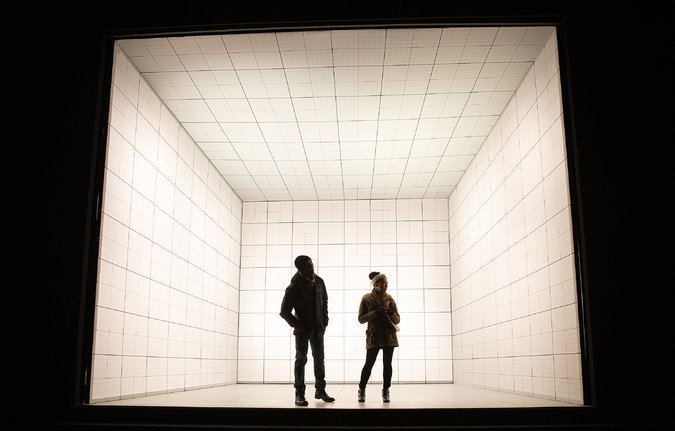
THEATER: Caryl Churchill’s Love and InformationI’m a longtime fan of Caryl Churchill’s brainy, super-theatrical plays. The latest, produced by New York Theater Workshop at the Minetta Lane, consists of 57 tiny vignettes, some of them one-line blackout sketches, that take place in a brightly lit white cubicle with different suggestive set pieces for each one. It’s an exercise in composing elliptical scenes on a general theme. Not my favorite of Churchill’s work but I am amazed and impressed that she scrupulously refused to repeat herself – each one of her 45 plays takes a different form, plays with a different genre, exercises a different muscle in her Olympian writer’s body. What I would really love is to have infra-red glasses and watch how the stagehands scramble around between scenes changing the furniture…

love and information

Rocky The Musicalthe consensus is pretty much: lousy score, exciting and ingenious staging of the climactic fight, appealing performance by Andy Karl in the title role. I go along with all of that. I also had a special affection for my friend David Zinn’s witty costumes – someone had to figure out to dress those muscle hunks in period workout attire! I donated an old ripped up motorcycle jacket to the wardrobe – DZ painted the collar red and put it on the guy who delivers the big box TV set in Act 2.

rocky

Photo diary/Culture Vulture: Whitney Biennial

March 13, 2014

(click photos to enlarge)

My friend Adam was visiting from Portland and wanted to check out the Whitney Biennial, so we converged there with Vincent — the three of us hadn’t seen each other since we were in Peru together last fall. Each of the three floors of the exhibition was organized by a different curator, each of whom enlisted various artists to sub-curate sections, which was a clever form of collaboration and good way of balancing aesthetic, thematic, and academic perspectives.

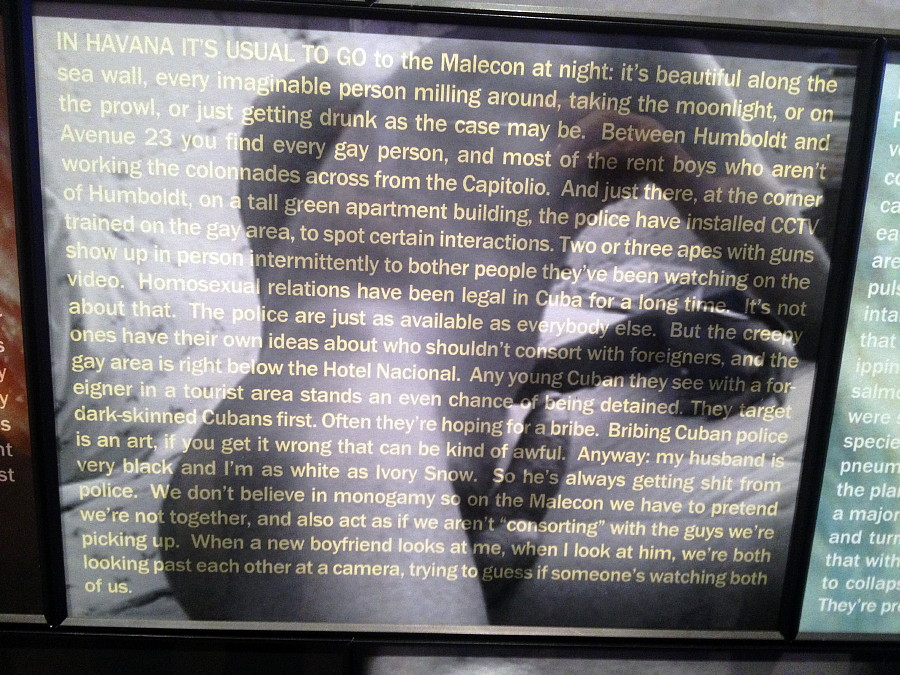
The first piece that caught my eye was a collection of backlit photos by Gary Indiana. I was surprised and amused that both Adam and Vincent thought this was the same artist famous for the LOVE design seen everywhere (including the much-photographed public sculpture around the corner from my house, at 55th Street and Sixth Avenue — that would be Robert Indiana) rather than the prolific, dyspeptic novelist, commentator, and former Village Voice art critic.

3-8 gary indiana pieceI’m not any kind of savvy connoisseur of contemporary painting, so the preponderance of work on the 4th floor (many by female artists, many in vaguely Abstract Expressionist mode) made little impression on me. The work on the 3rd floor, chosen by Stuart Comer (primary curator of media and performance at MOMA), was much more to my taste. My very favorite piece in the Biennial was Jacolby Satterwhite‘s dazzling HD video/animation Reifying Desire 6:

satterwhite video pic satterwhite lactate3-8 satterwhite wall plaque
That piece hovers right outside a room constructed by Bjarne Melgaard that another friend described “Peewee Hermanesque,” an adult funhouse full of oversized stuffed animals with phallic snouts, sofas to lounge on, and mannequins representing transgender models in transition. (Transformation is an ongoing underlying theme of this Biennial, the last to take place at the Whitney’s famous Breuer building on Madison Avenue before the museum relocates to a new building in the meatpacking district.) A beautiful, arty, explicit film of two guys having sex plays on a flat-screen monitor while news footage of public brawls flash on the walls of the room.

3-8 melgaard 1 3-8 melgaard 2 3-8 melgaard 3 3-8 melgaard 43-8 melgaard wall
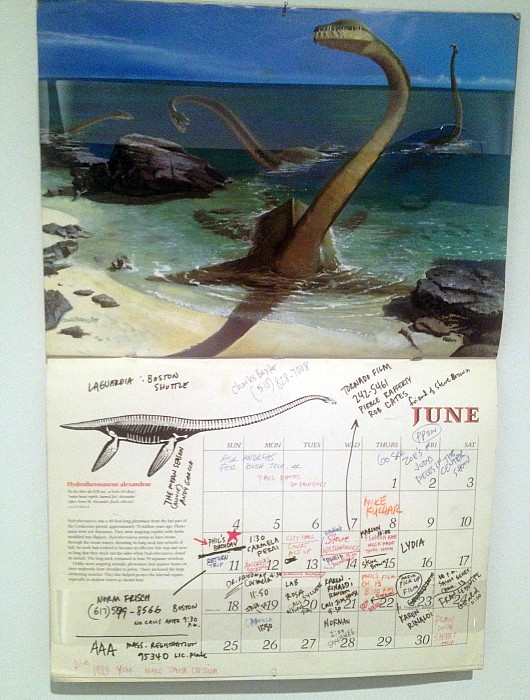
Another theme that Peter Schjeldahl dwells on in his review in this week’s New Yorker has to do with commemorating dead artists, both those who significantly influenced their peers and those who died in semi-obscurity, many though not all of them from the generation of artists lost to AIDS. Some of what’s displayed isn’t artwork as much as artifacts of interest, like this mysteriously poignant wall calendar that David Wojnarowicz used to record appointments:

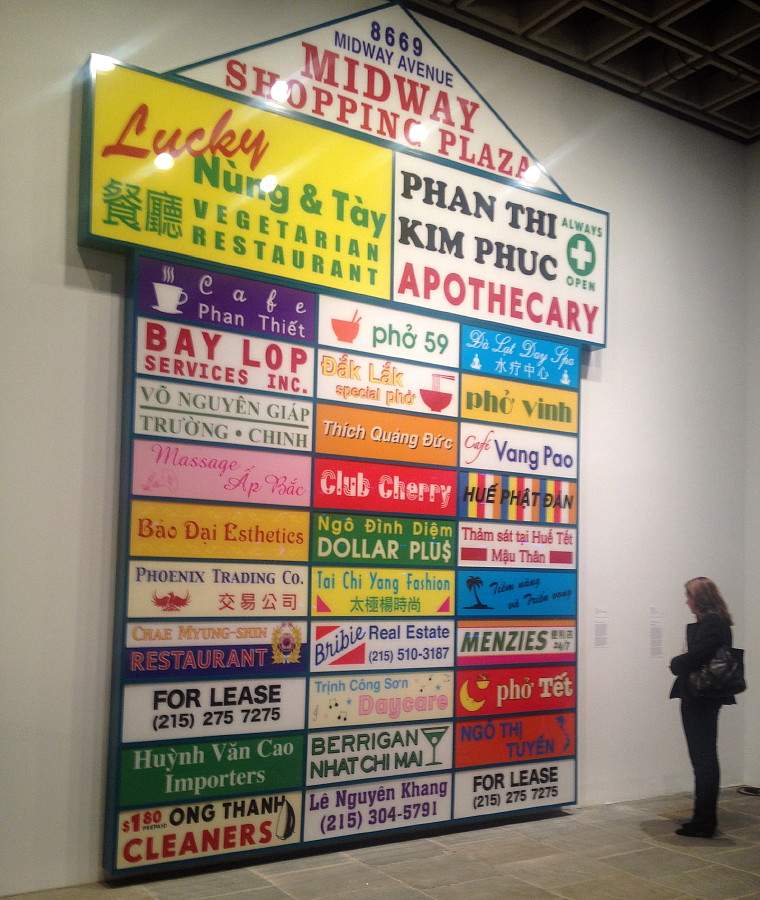
3-8 wojnarowicz calendarAnother piece I liked very much was Ken Lum‘s piece slyly replicating the signage at a mundane urban shopping center with references to the Vietnam War:

3-8 ken lum piece