If you have an hour to kill in midtown between now and February 7, 2016, you could give yourself no better treat than to take a walk through the show of Picasso sculpture at the Museum of Modern Art.
The sculptures Picasso created are so free and fun to look at, so simple and so sophisticated at the same time. It makes sense that he was turned on by African and Oceanic work he saw at an ethnographic museum in Paris — many of these pieces remind me of the vivid masks and ritual objects you can see in the Michael Rockefeller collection at the Metropolitan Museum. I especially loved tracking the faces, which are so simple and varied and often comical.
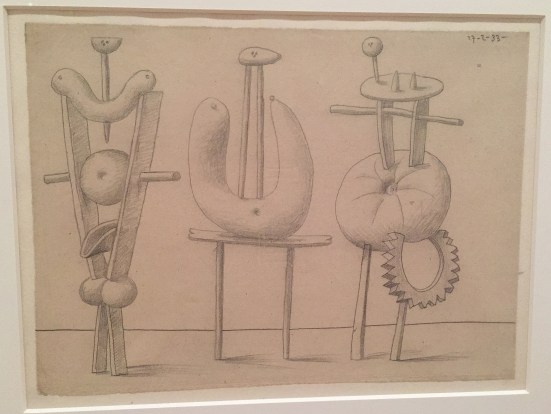
These drawings (part of a series called “An Anatomy”) reminded me of Roz Chast cartoons.
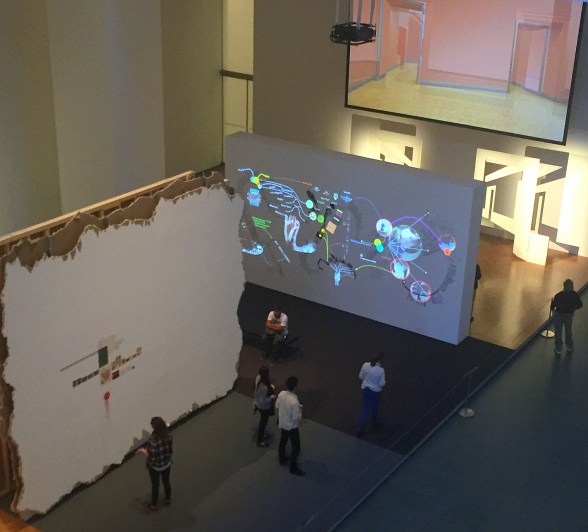
I also had a look at the show by Lebanese multimedia artist Walid Raad, which has two parts, one of which occupies the museum’s central atrium (below) and is called “Scratching on things I could disavow.”
It’s an intriguing, complicated, dense, somewhat impenetrable Borgesian conceptual work involving fictionalized artifacts reflecting real contemporary events. I’m not sure it’s really possible to grasp the work without attending his lecture-demonstration “walkthroughs,” which occur many times in the course of the week. I’ll have to go back for one of those.
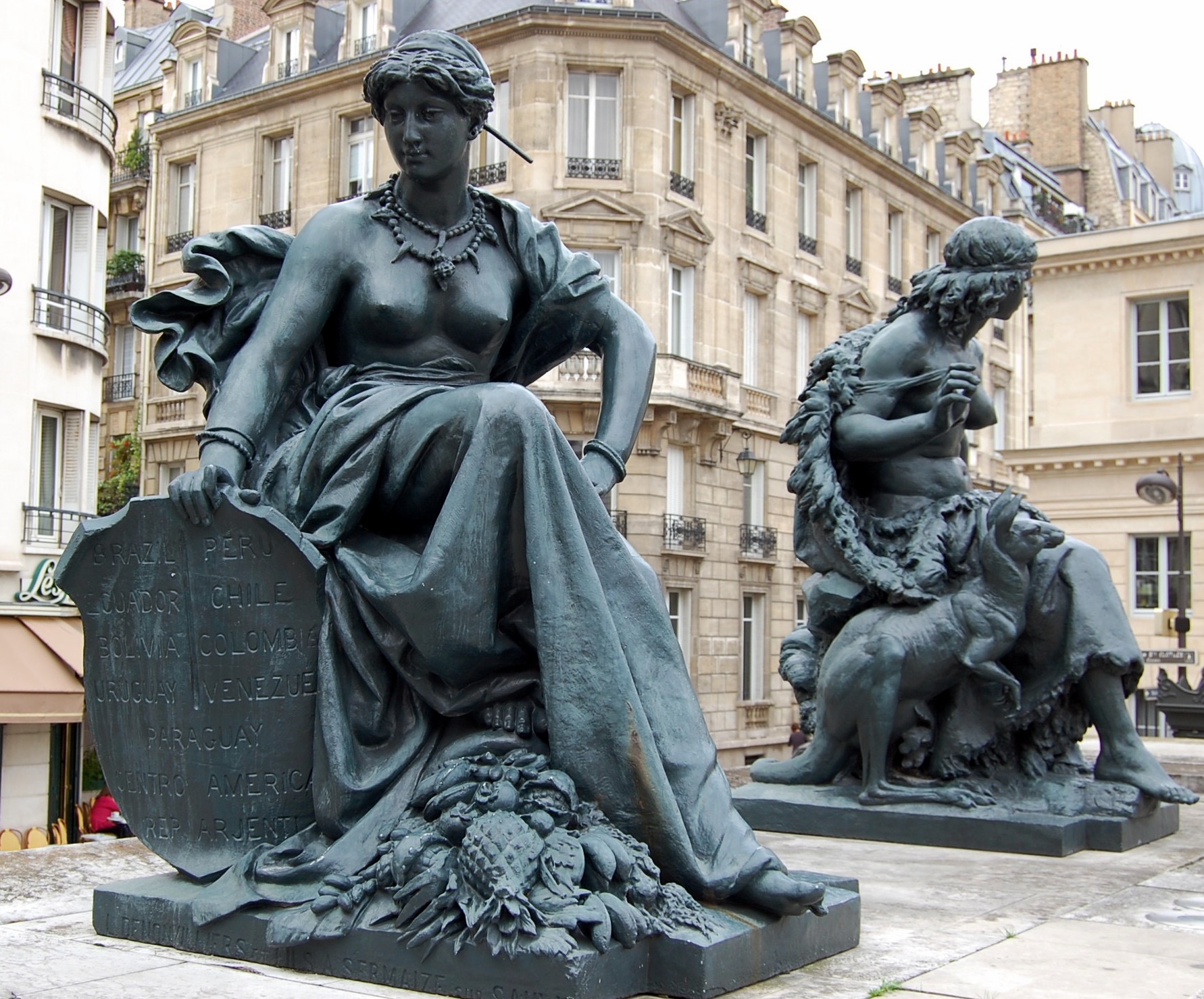
The Musee D’Orsay lived up to its reputation as one of the great art institutions in the world — beautifully designed, architecturally magnificent, fantastic collection, meticulously curated and viewer-friendly — starting with the plaza out front and the statuary depicting the earth’s continents as female deities.
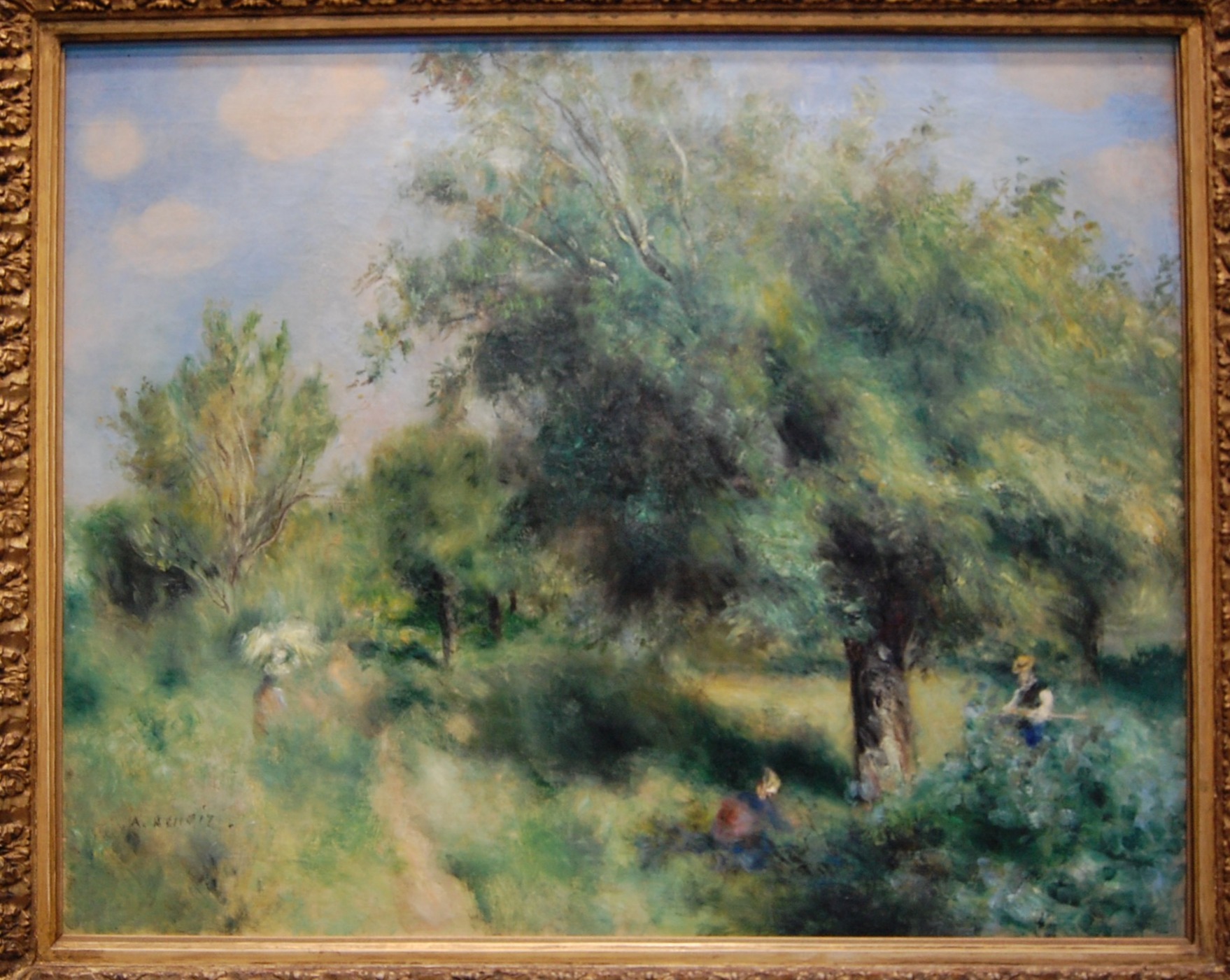
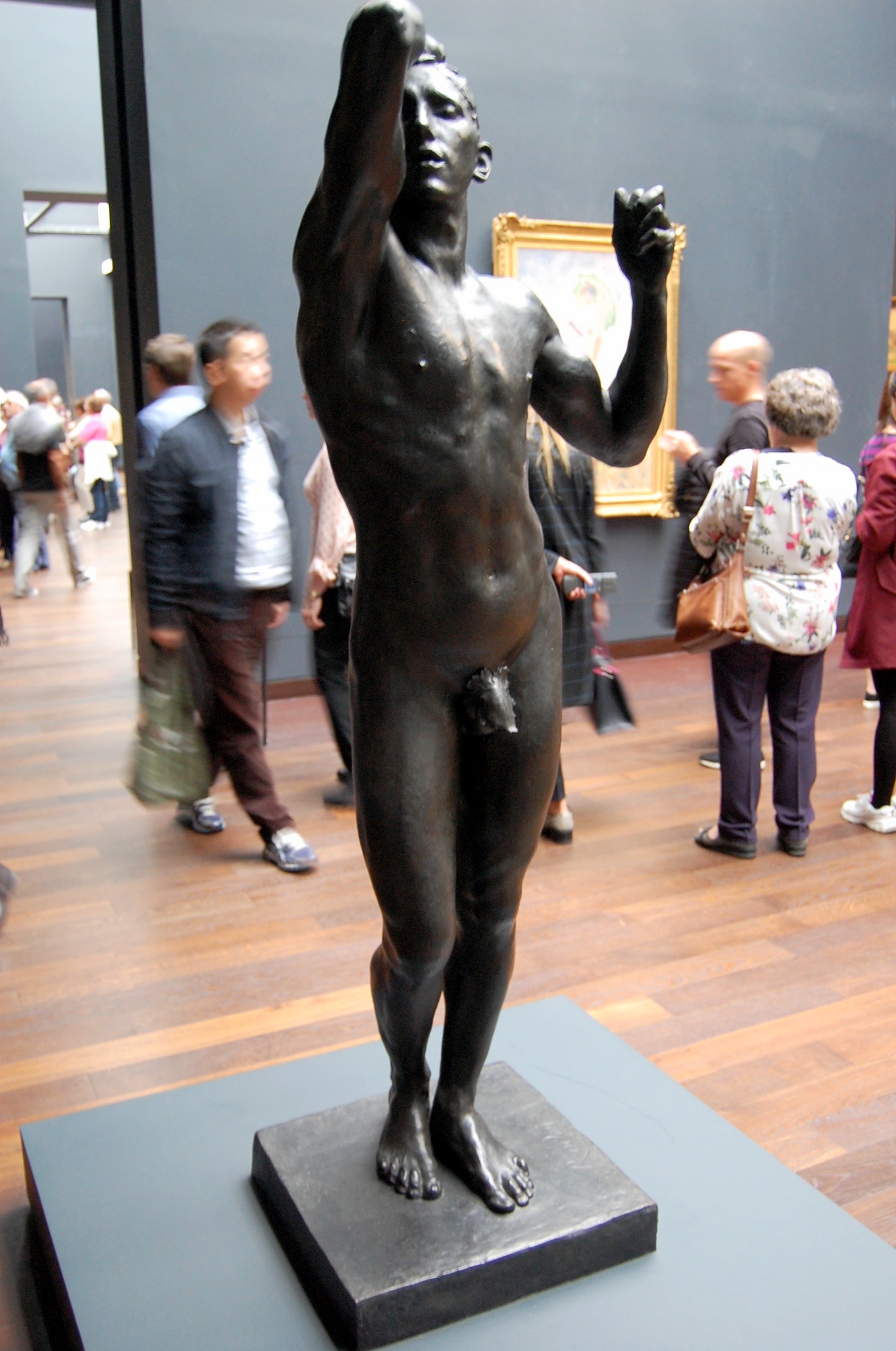
Inside you’ve got all the French greats: Cezanne, Renoir, Rodin.
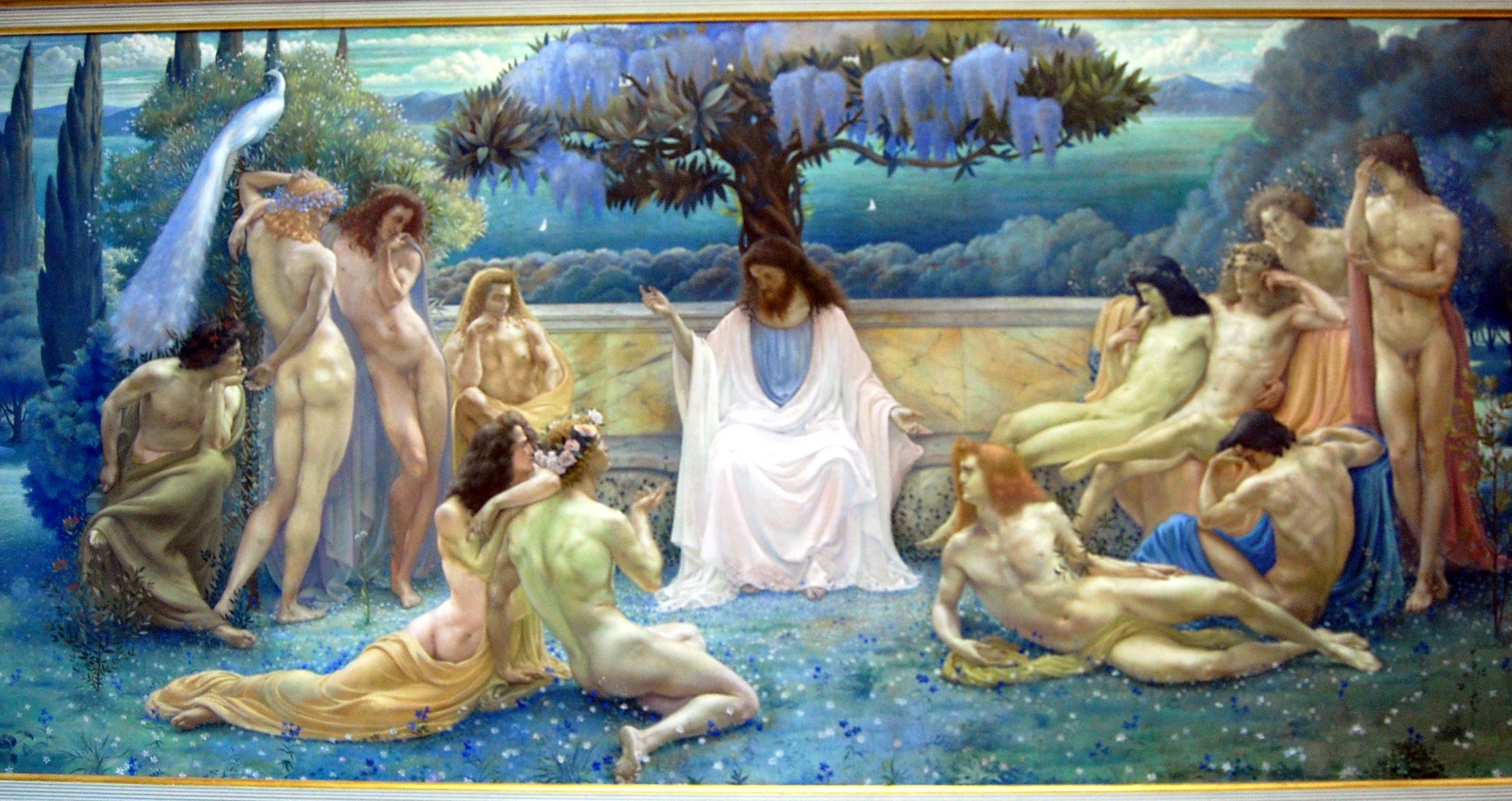
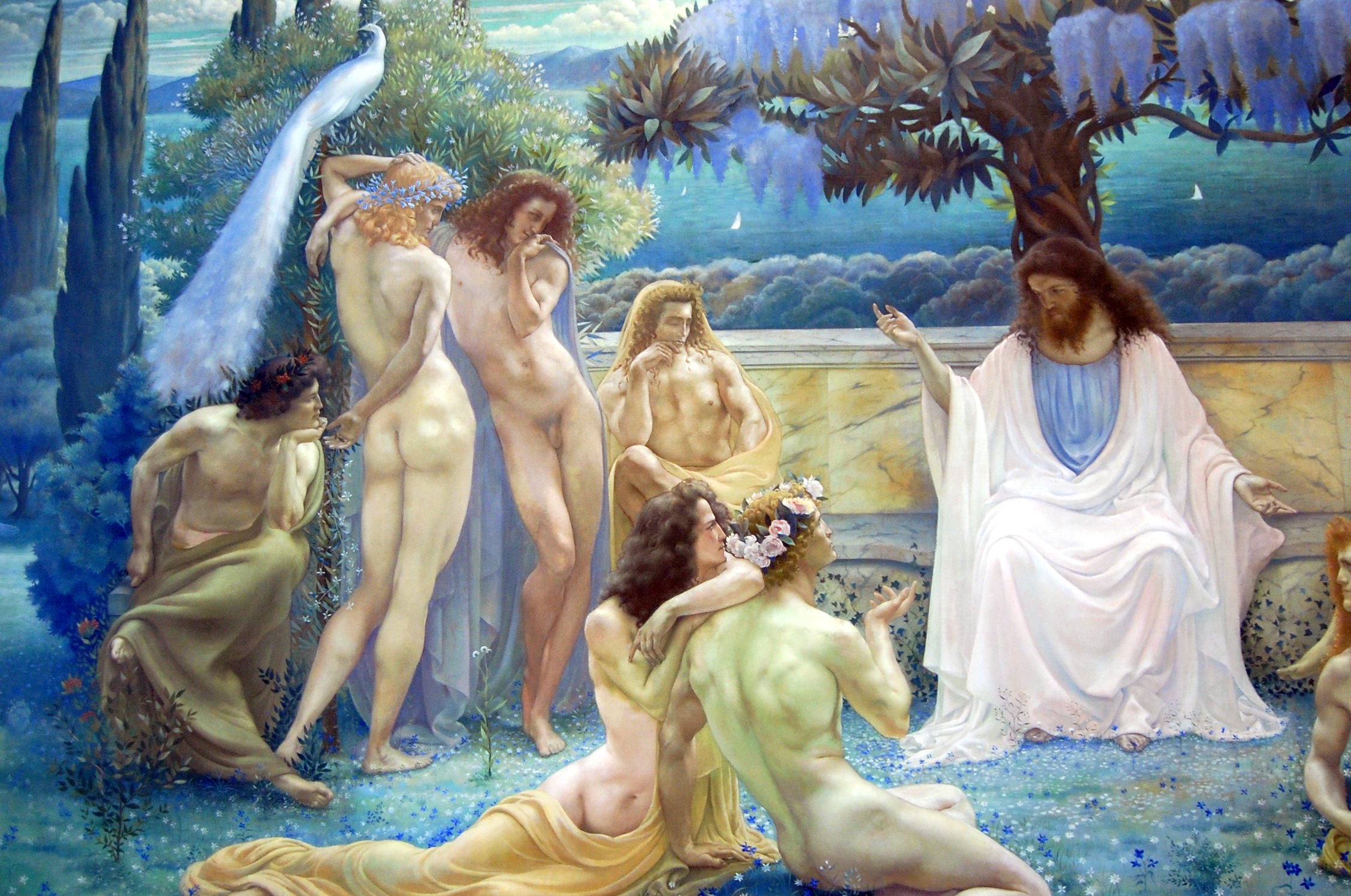
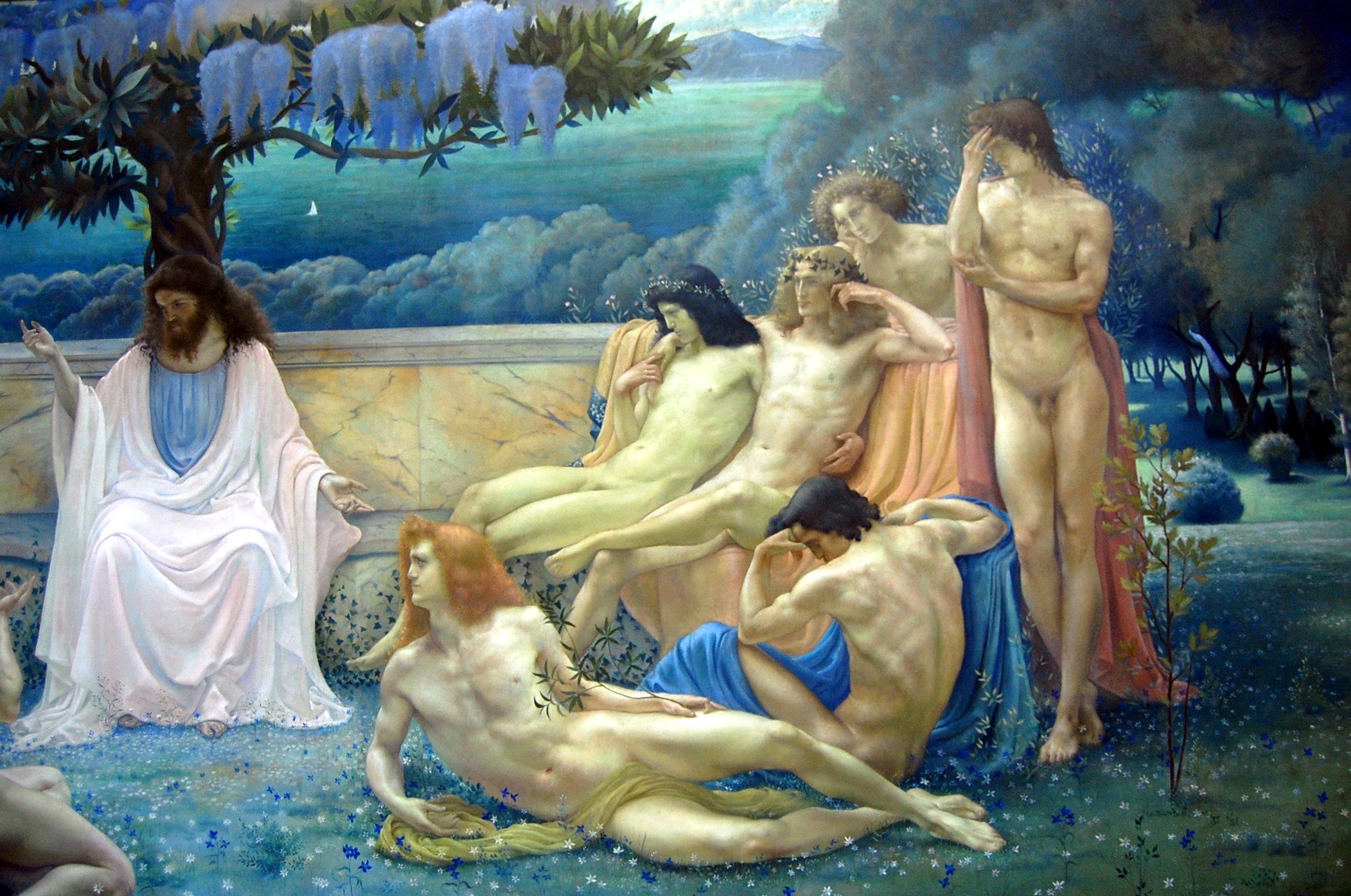
Jean Delville’s phenomenal School of Plato, which looks like Jesus conducting a Body Electric workshop at a radical faerie gathering:
The most succinct description I’ve encountered of art nouveau:
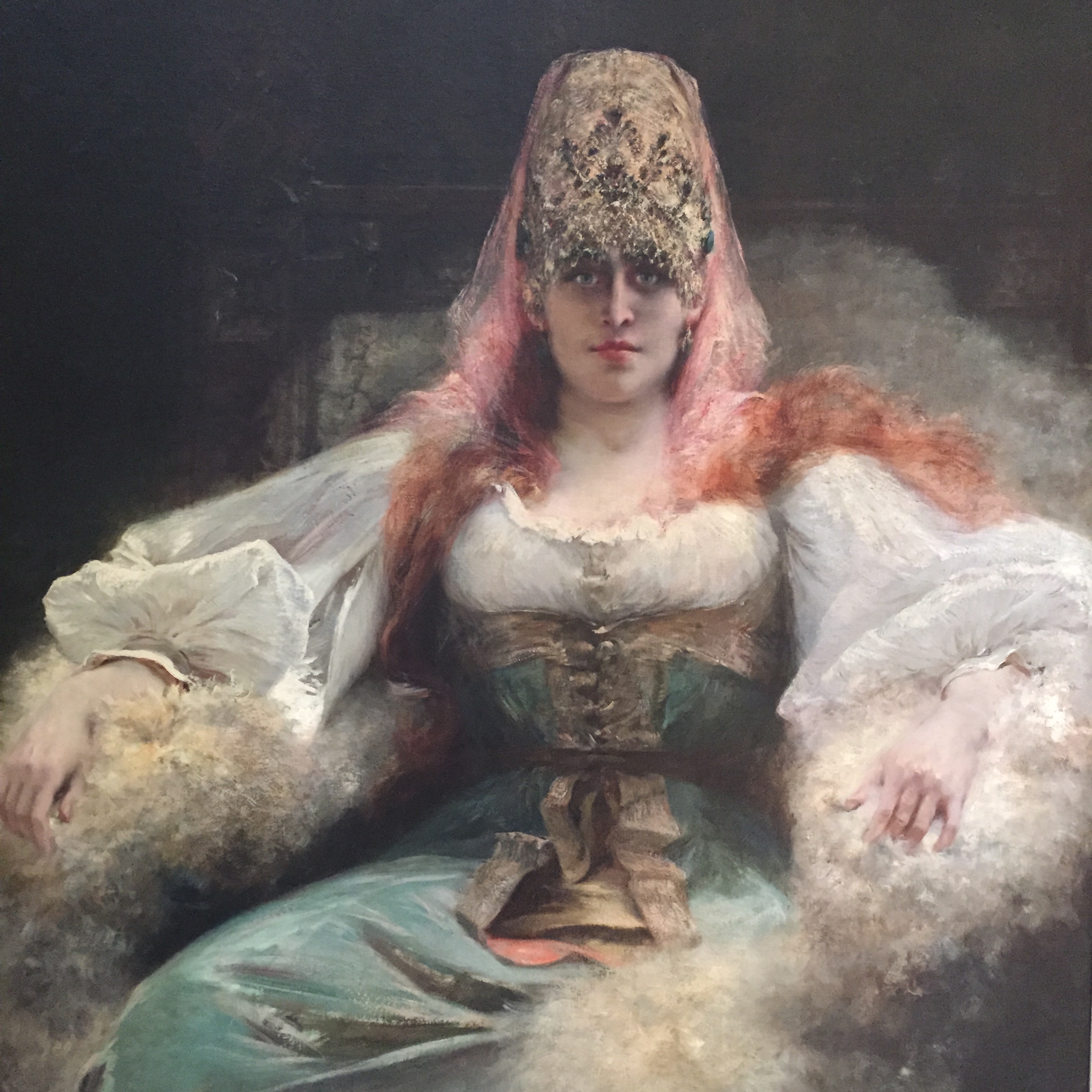
And numerous discoveries, like this large and startling portrait of Sarah Bernhardt by Georges Clairin:
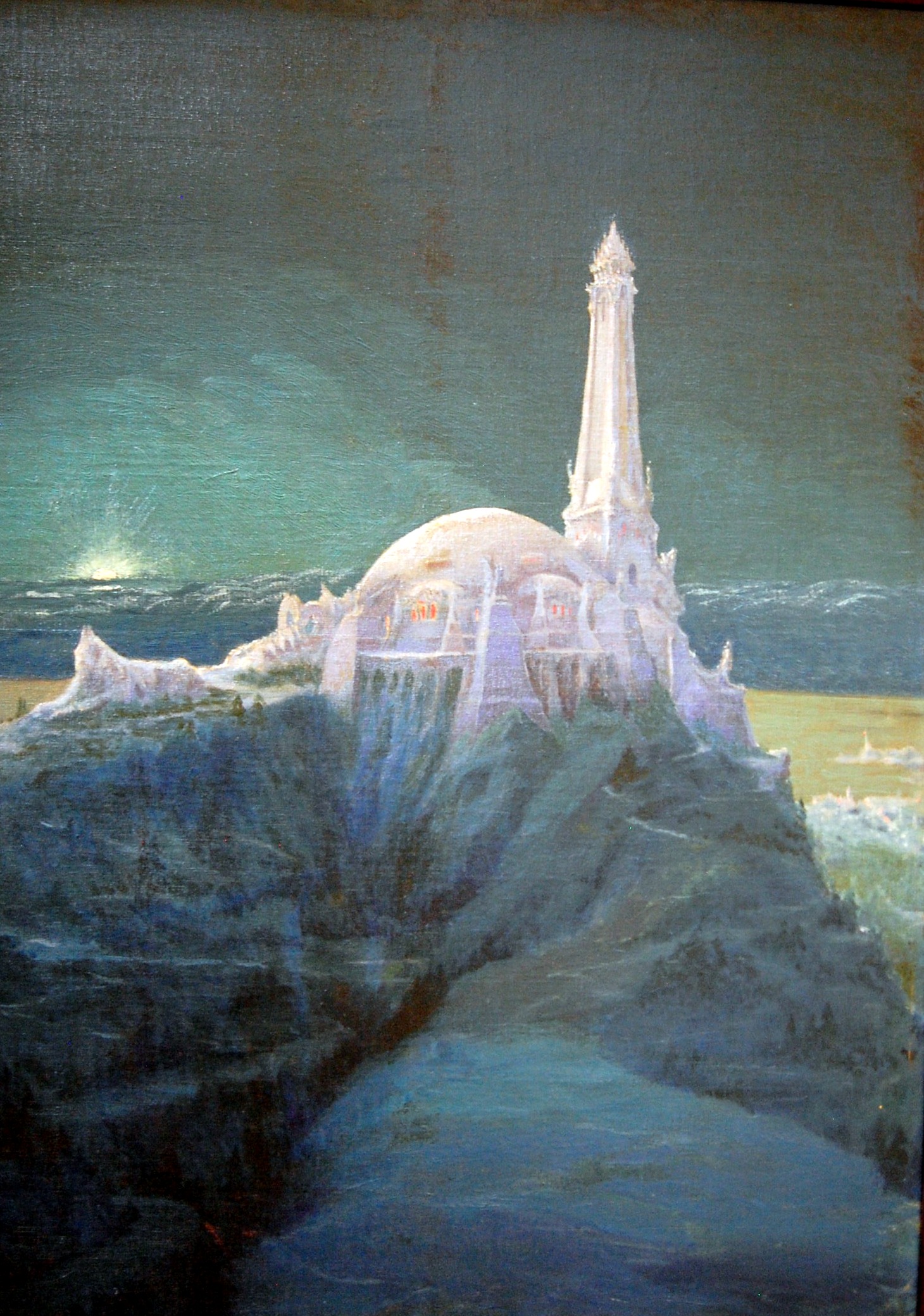
François Garas’s Temple of Thought (dedicated to Beethoven):
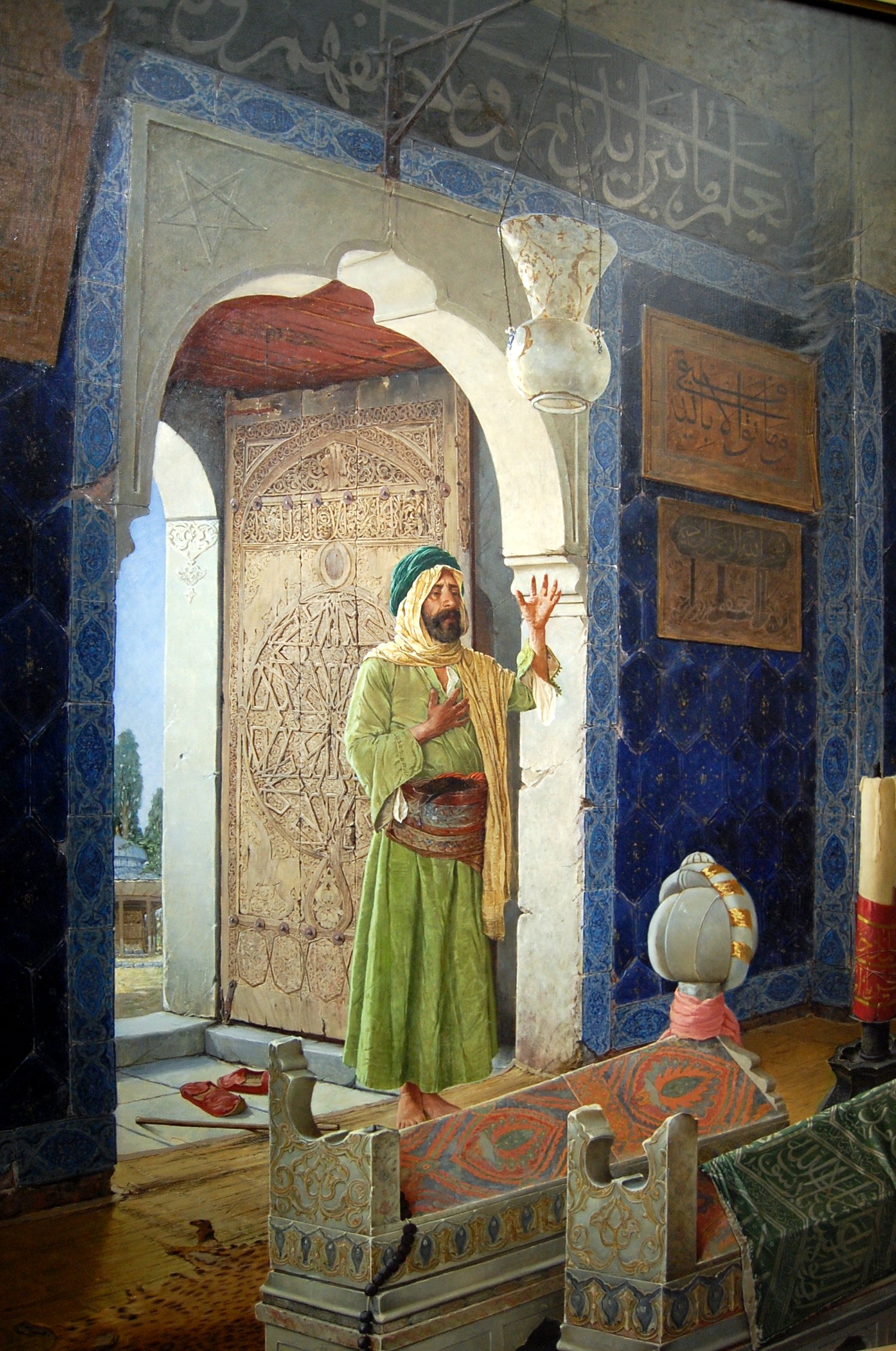
Osman Hamdy Bey’s Old Man at the Tomb of the Infants:
Ernest Barrias’s The Alligator Hunters (aka The Nubians):
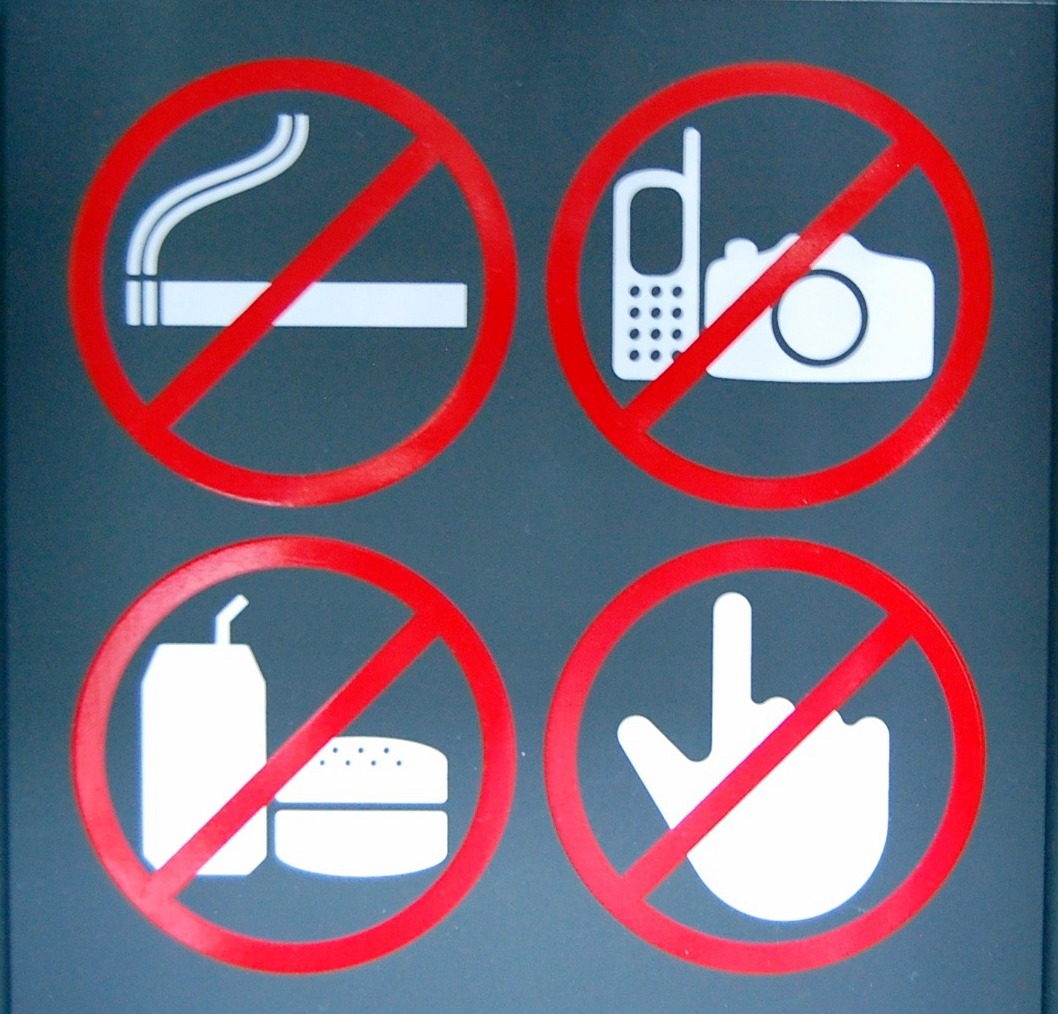
I’m so literal-minded that I took this poster to mean, besides “no eating” and “no flash photos” and “no smoking,” to mean “don’t point”:
Andy gently pointed out that it probably means “Don’t touch.”
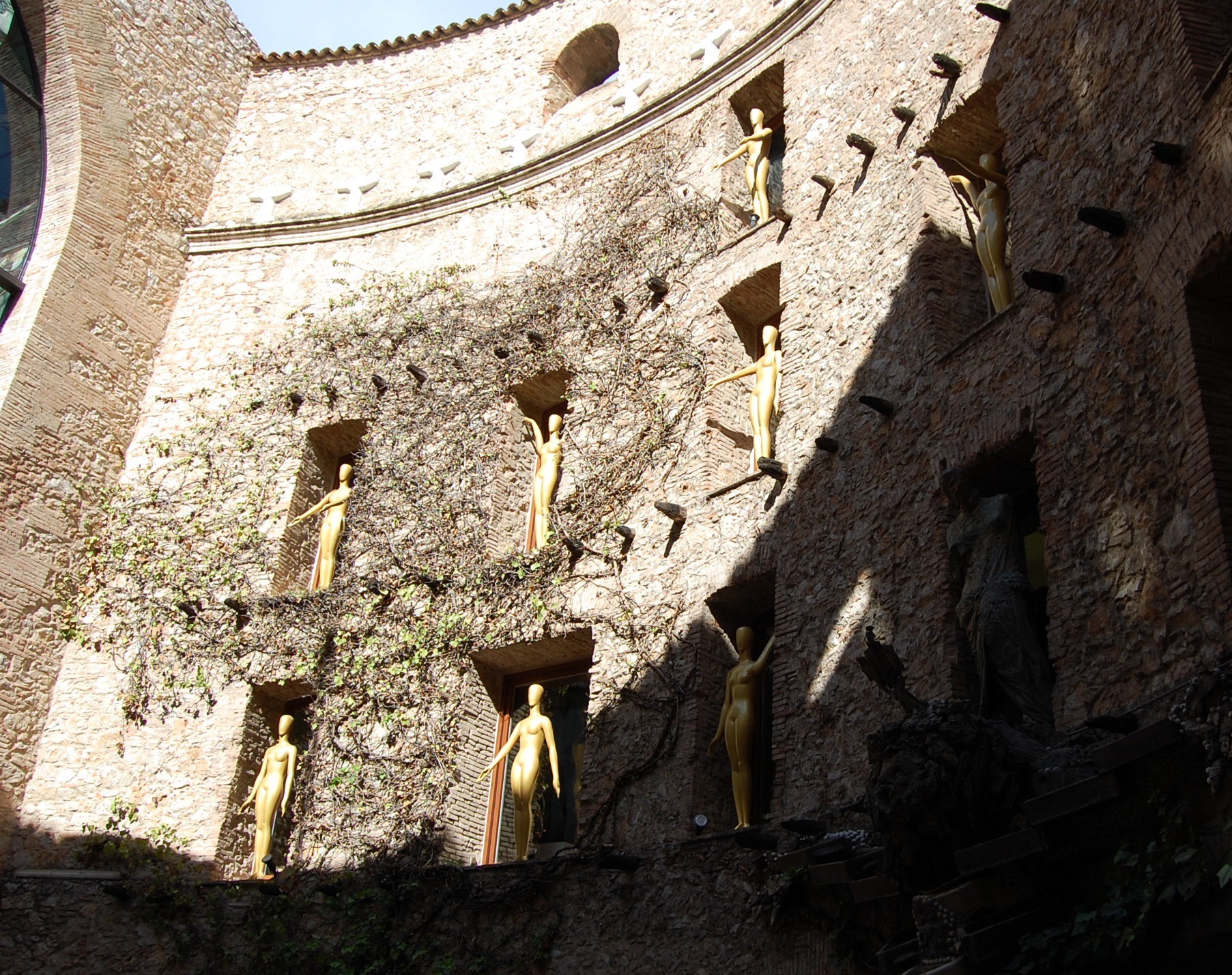
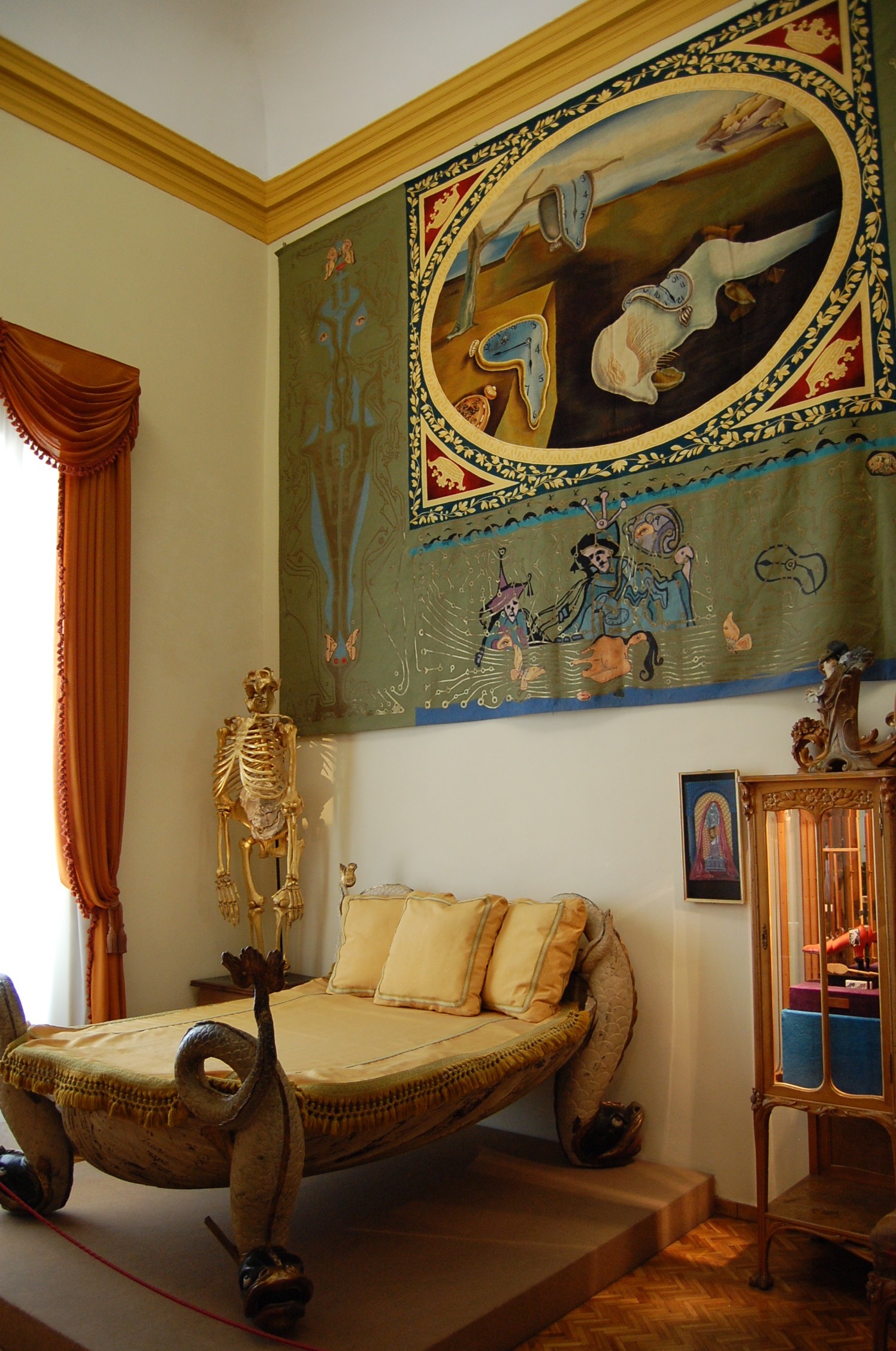
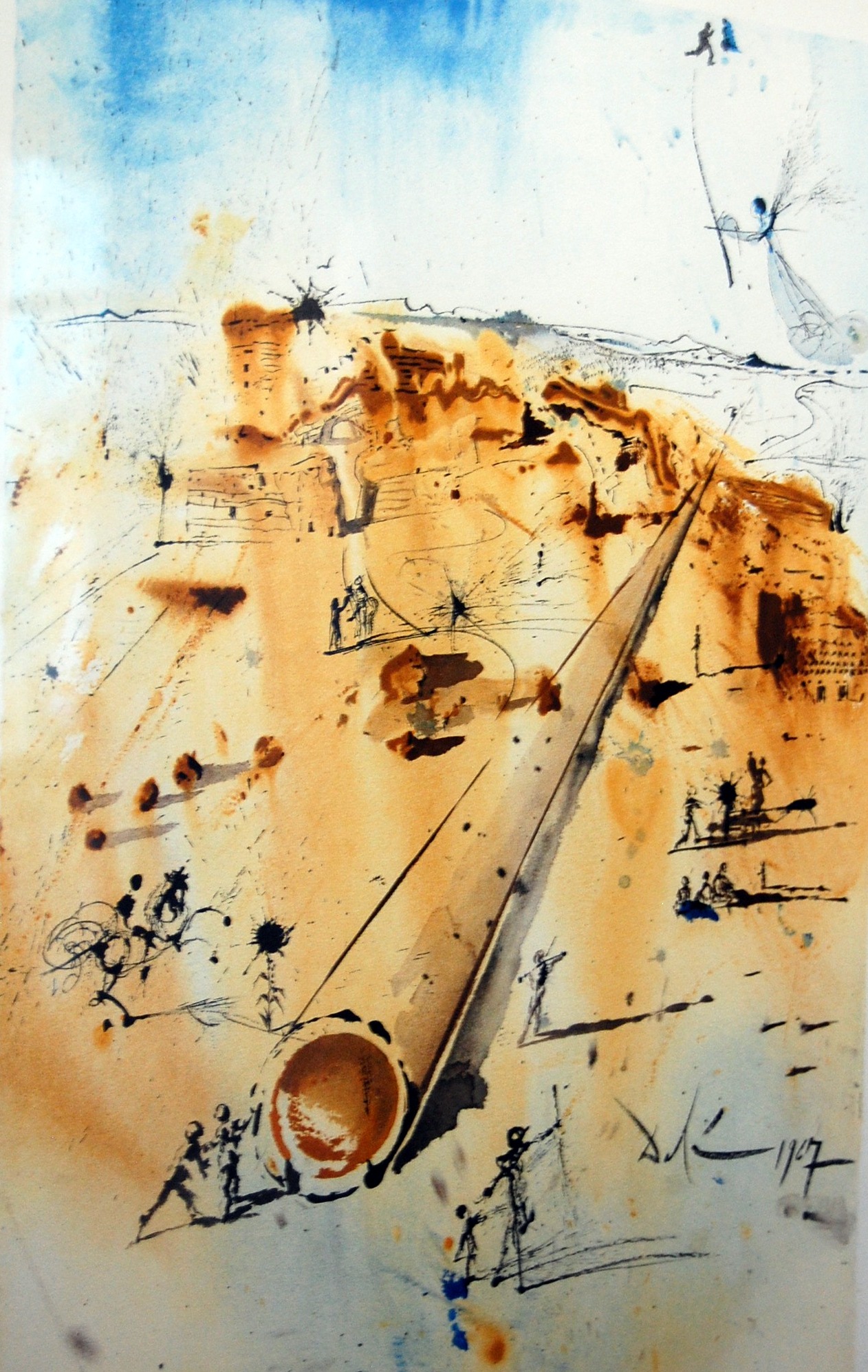
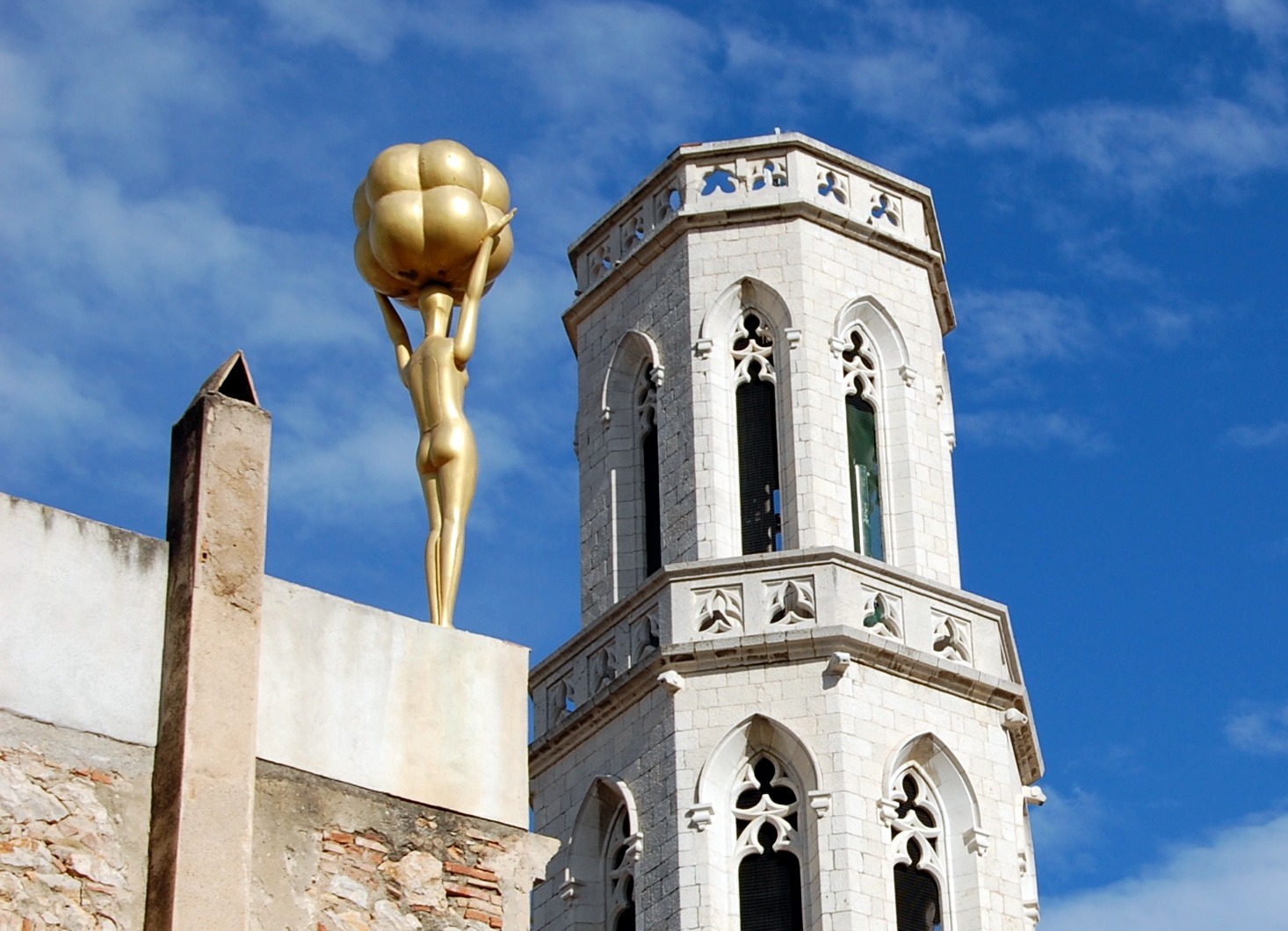
While we were on the beach in Collioure, George casually asked if we were fans of Salvador Dali. Absolutely, said I. So he suggested we make a spontaneous expedition across the Spanish border to Dali’s hometown, Figueres, to visit the Salvador Dali Theatre and Museum. Great idea! The building (indeed a former theater) is grander and the experience is more impressive than the Diego Rivera home in Guanajuato, Mexico, to which we made a pilgrimage when we were there last February, even if the collection is not especially representative of the prolific surrealist master’s work. The central courtyard open to the elements contain a number of stylized female figures, and the multiple tiers of the theater have been converted into various sized galleries, some of them quite tiny and cramped. Our visit coincided with the arrival of two or three busloads of German high schoolers crowding through the rooms preceded by their smartphones. The town is justifiably proud of its connection to Dali and displays his weird and whimsical trademark images all over the place, just as Barcelona flaunts its Gaudi legacy on a larger scale.
10.3.15 — The size and scale of the Park Avenue Armory makes it unlike any other venue in New York City, and artistic director Alex Poots has mounted one fascinating unconventional production after another there. He commissioned Laurie Anderson to make a piece this season, and the result –Habeas Corpus, which ran October 2-4 – was unlike anything Anderson’s ever done before. There was a performance each evening, at which she told stories and sang songs and introduced guest musicians Merrill Garbus (aka tUnEyArDs), Stewart Hurwood (Lou Reed’s tech guy, who marshals a fleet of guitars feeding back through amps), and Syrian pop singer Omar Souleyman.
But the performance was a minor part of the event. The centerpiece of Habeas Corpus was Anderson’s collaboration with Mohammed El Gharani, a 28-year-old Chadian who was kidnapped from a mosque in Pakistan after 9/11, tortured and interrogated, then flown to Guantanamo where he remained captive for six years until he was finally freed and sent back to Africa. Anderson has been working for many years on multimedia art works about prisons and prisoners, specifically the idea of broadcasting live video of incarcerated prisoners onto oversized plaster casts of their bodies in museum settings. She hasn’t managed to do this in the United States for political reasons, but through the human rights organization Reprieve she made contact with Mohammed el Gharani and devised this remarkable art installation.
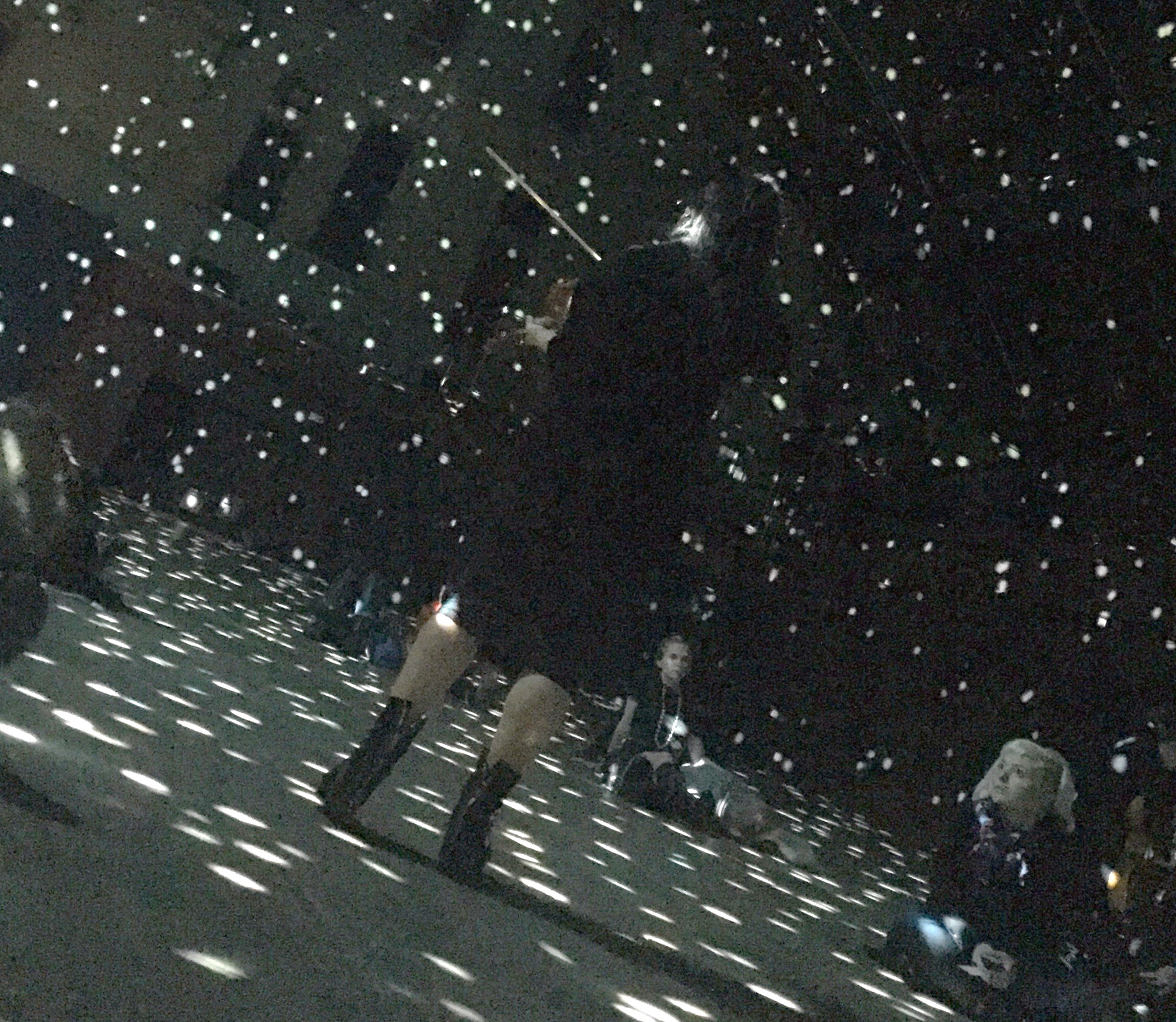
In the vast Drill Hall of the Armory stands a huge white chair statue (almost the size of the Lincoln Memorial in Washington DC and constructed by some of the same artisans who worked with Kara Walker on her giant sculpture A Subtlety at the Domino Sugar Factory last year), onto which is projected live video of el Gharani sitting in a studio in West Africa. He sits silently, although when he takes breaks, prerecorded video is shown of him telling stories about his experiences in Guantanamo.
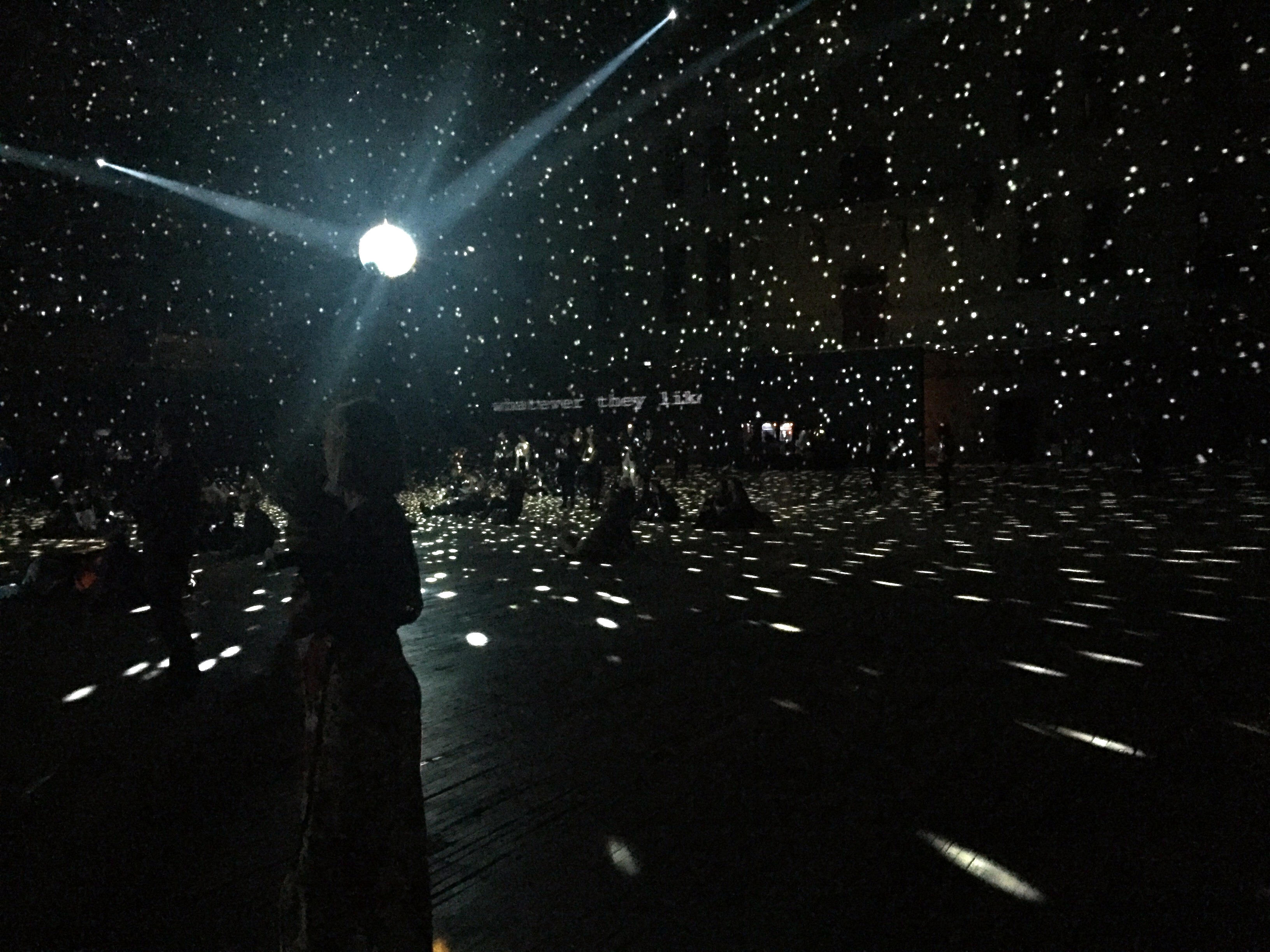
Anderson has activated the space through lighting (the room is completely dark, lit only by the artwork and a giant disco ball slowly revolving) and sound (an eerie immersive sound piece by her late husband Lou Reed sends droning guitar feedback throughout the space, mixed together with a soundscape of surveillance audio, and a handful of musicians wander through serenading audience members with violin and cello improvisations).
It’s a spectacular and haunting meditation on solitary confinement, literal and figurative. In a smaller room at the Armory interviews of el Gharani talking about his experience played all day. As usual, the Armory created a large-format elaborate program with extensive notes on the piece, and Anderson wrote a long essay about making it that was published on The New Yorker’s website. I encourage you to check them out. Habeas Corpus is an eloquent and maddening argument for holding President Obama to his promise to shut down Guantanamo and repatriate detainees who’ve never been charged with any crimes.
10.4.15 – Word of mouth insisted that the show of John Singer Sargent’s portraits of artists and friends at the Metropolitan Museum was a must-see, but I dilly-dallied about checking it out until the very last day. So glad I didn’t miss it! I don’t have a huge file on Sargent, but this show was a powerhouse introduction that included some of his most famous works, including Madame X, a full-length portrait of a beautiful American expatriate socialite named Virginie Amélie Avegno Gautreau in a low-cut gown with bare shoulders that so scandalized Paris when it appeared that Sargent had to move to London afterwards. The exhibition also showcases the painter’s many portraits of now-famous artists, many of whom were his close friends, including Henry James (like Sargent a discreet homosexual).
I was intrigued by this gender-queer writer of whom I’d never heard before:
I also loved that Sargent got to see a gamelan performance, which inspired this painting of a Javanese dancer:
His portrait of Ellen Terry as Lady Macbeth is justly considered one of his masterpieces, thrilling to see in person:
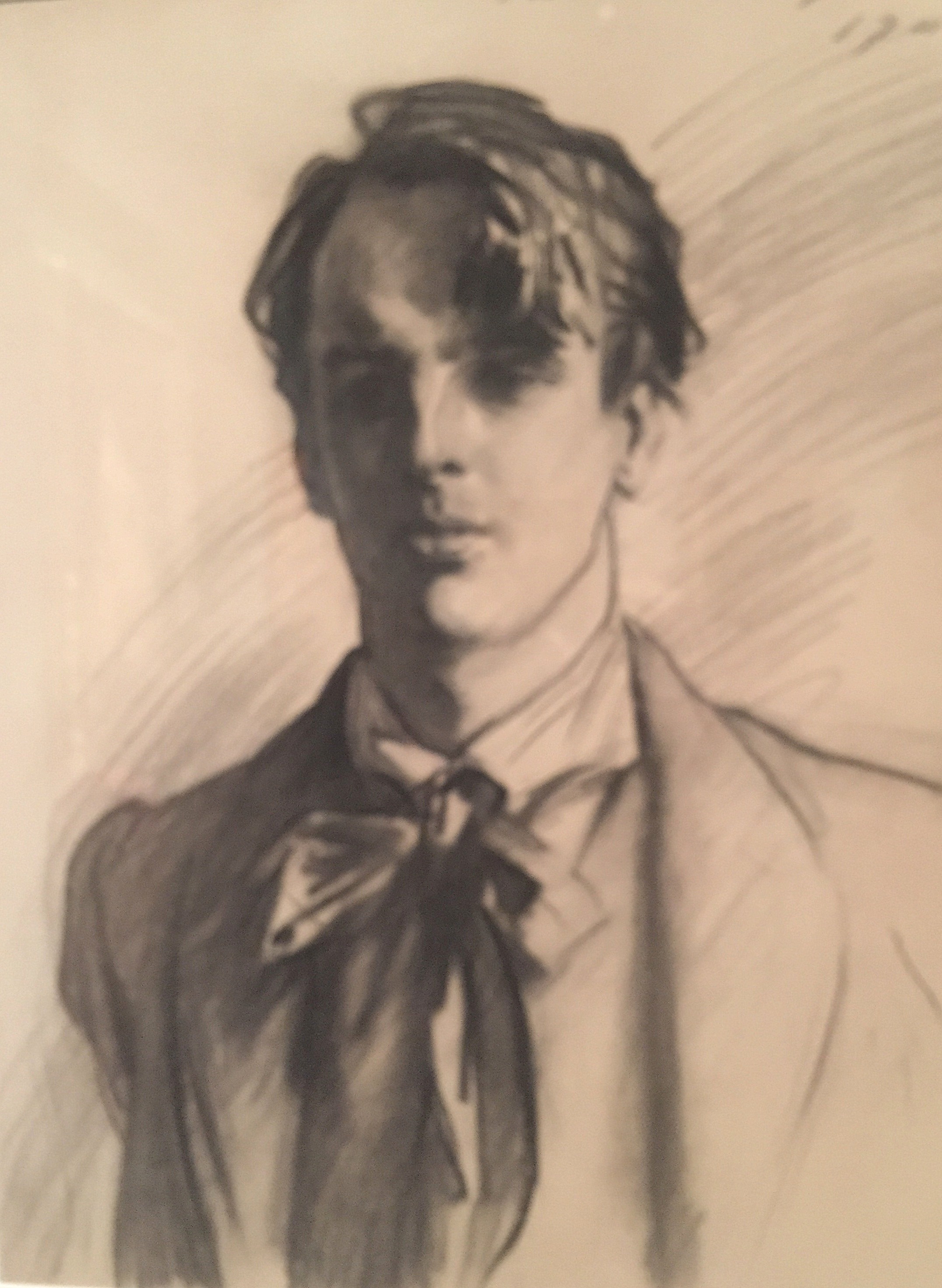
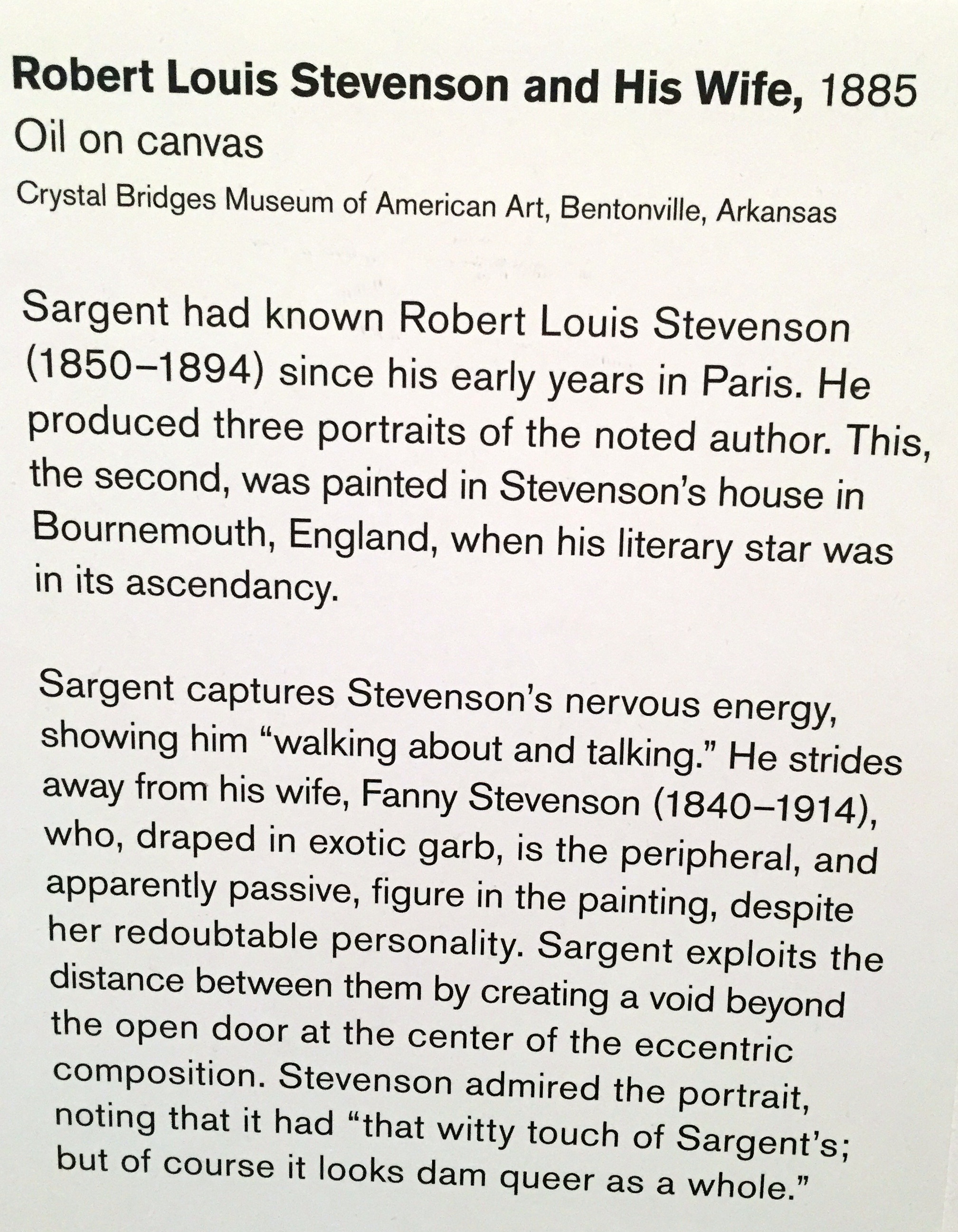
I love his drawing of the young handsome William Butler Years and also his fascinating, strangely off-centered cartoon-like portrait of Robert Louis Stevenson and his exotically dressed wife:
Speaking of queer, Sargent did quite a lot of homoerotic artwork, much of which the Met Museum owns, but very little of it showed up in this show, an exception being this watercolor:
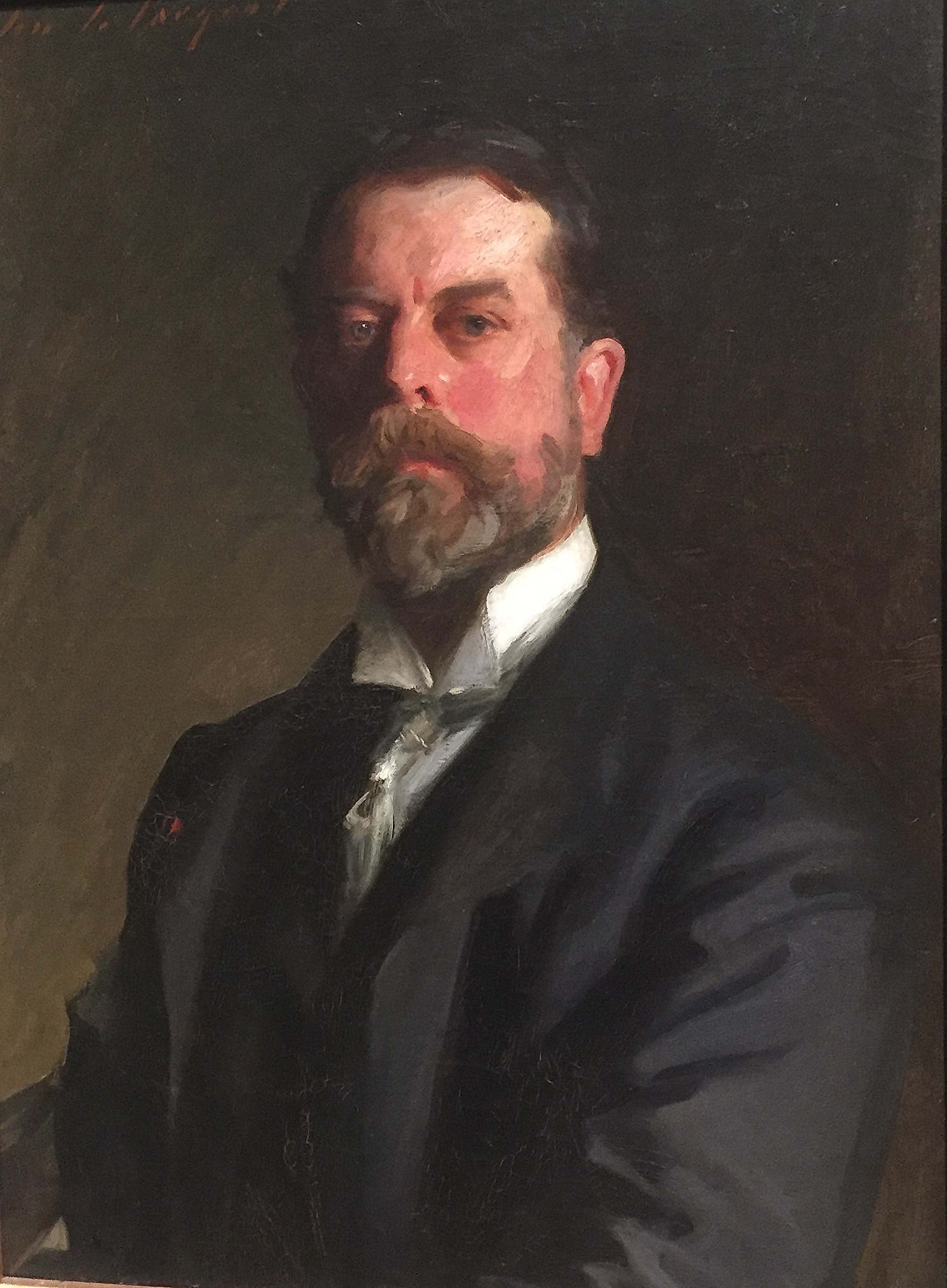
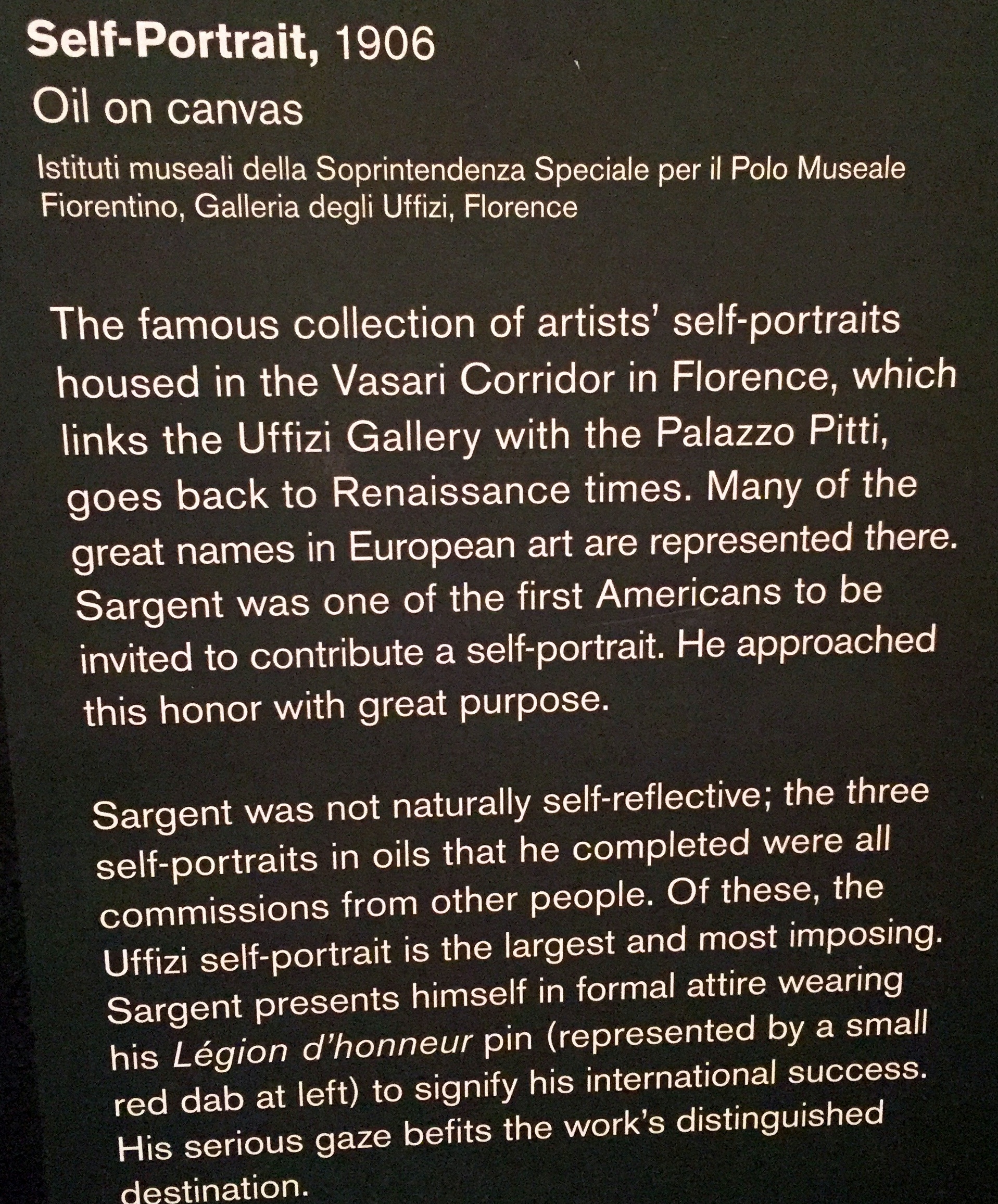
Sargent was very handsome himself (he and many of his distinguished artist friends would fit right in with the bearded gentlemen of Williamsburg/Brooklyn these days), as you can see in this, my favorite of his three self-portraits:




























 another eye opens